
Last updated November 23, 2026
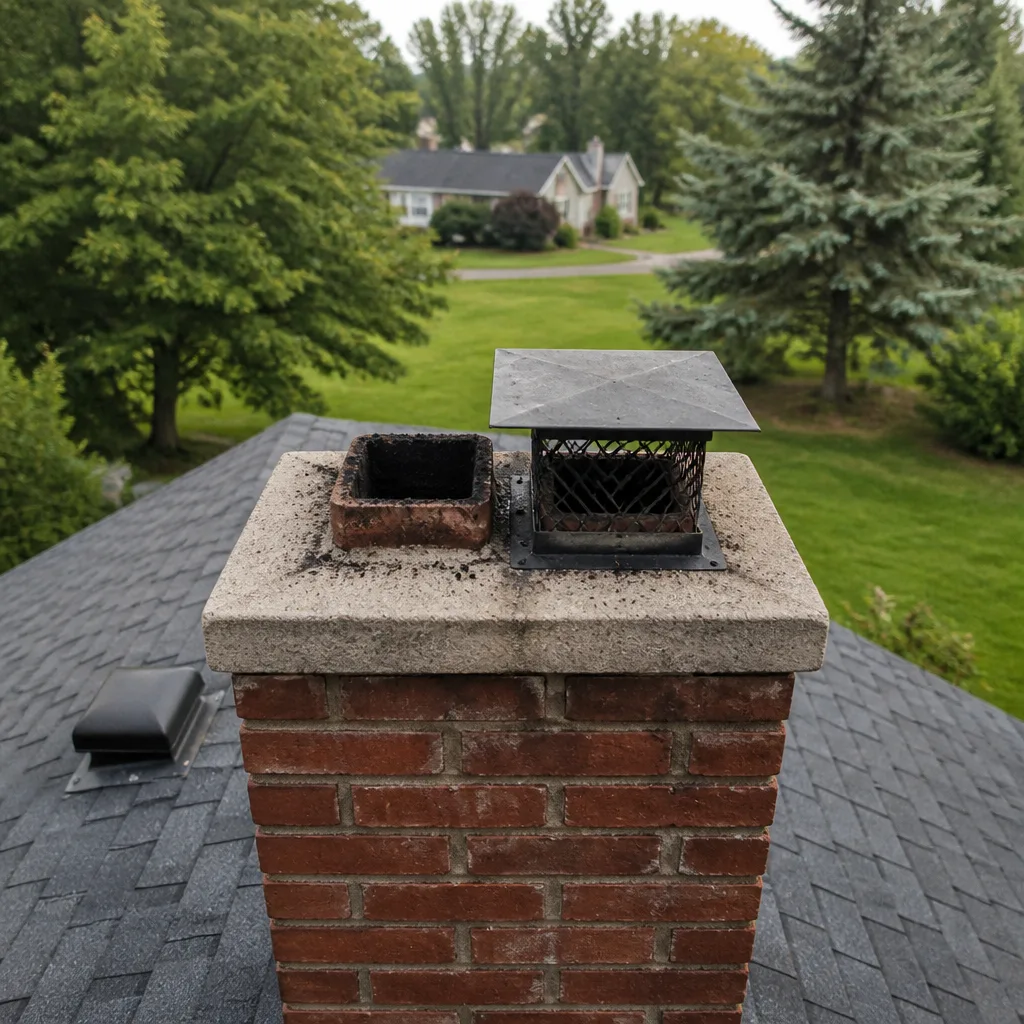 Sweep & inspection
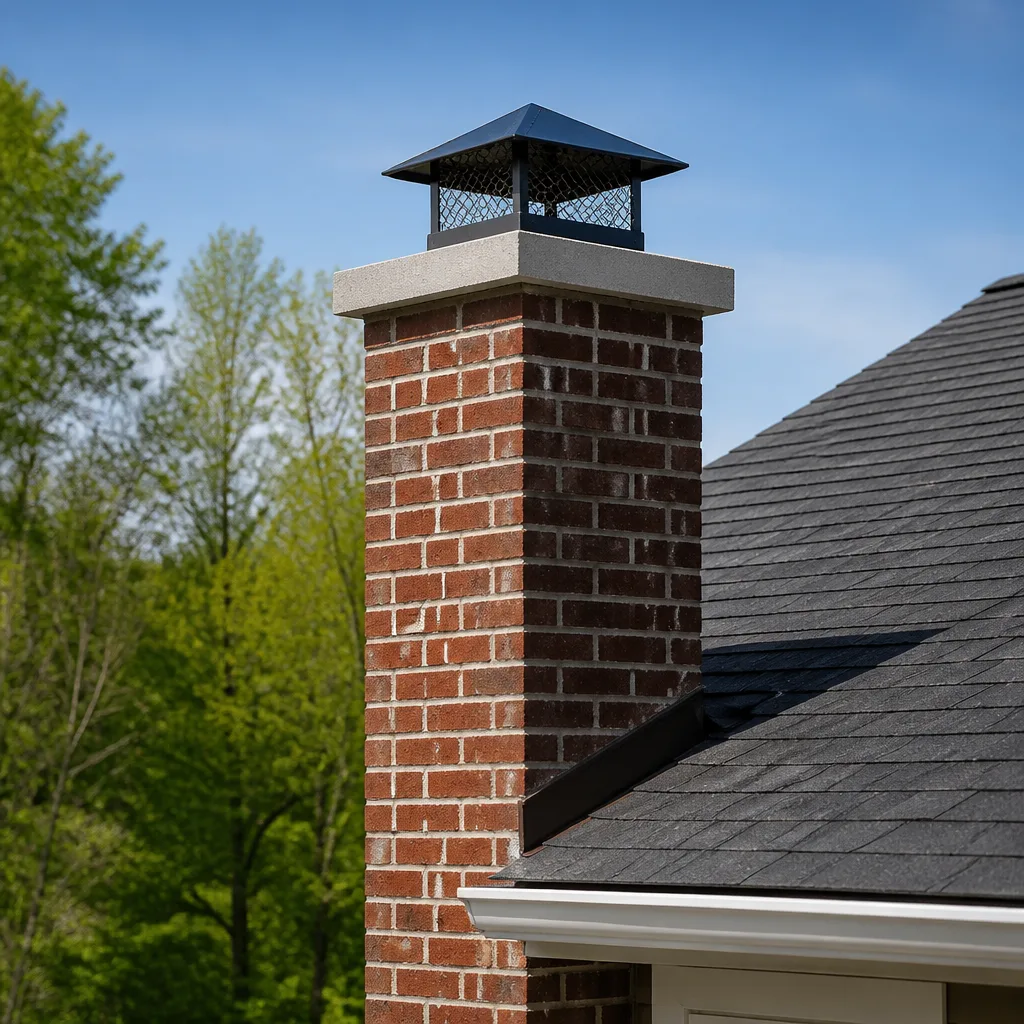 Caps & crowns
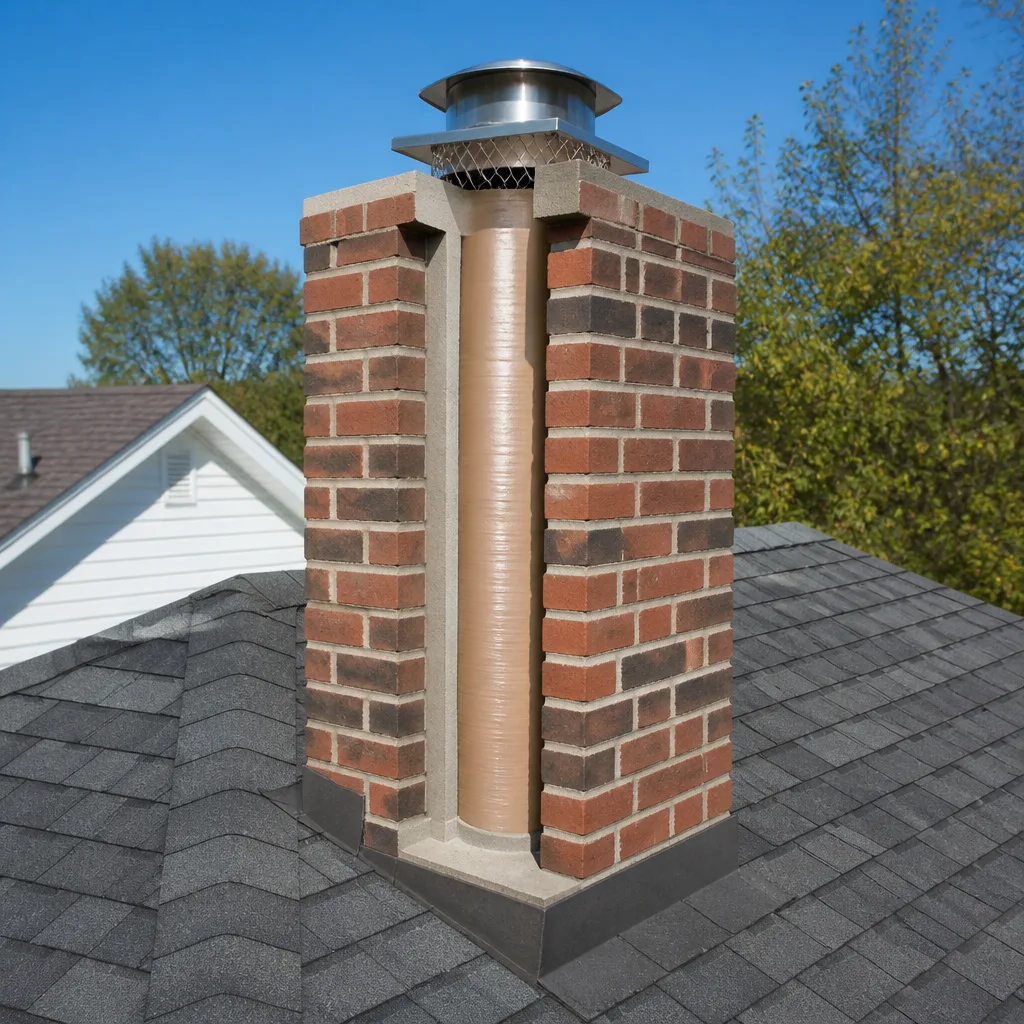 Flue relining
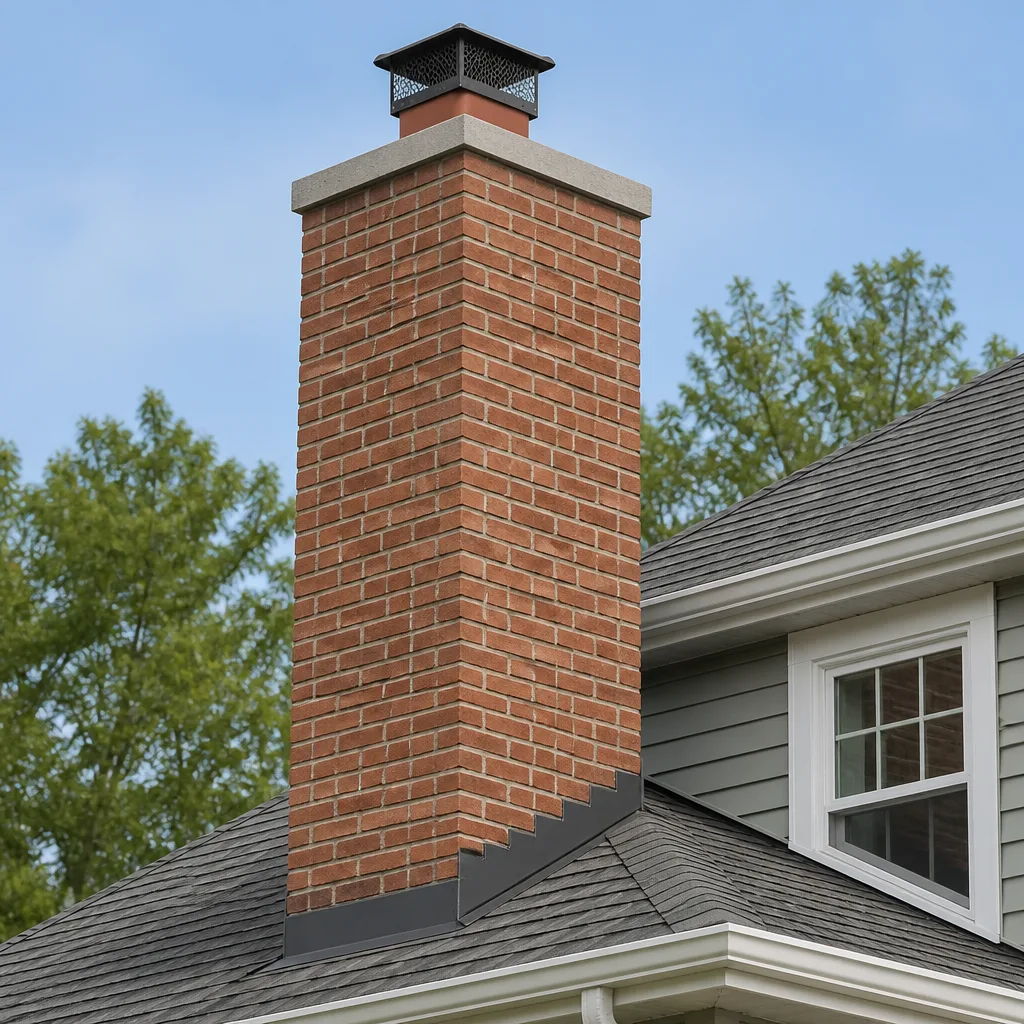 Masonry repair
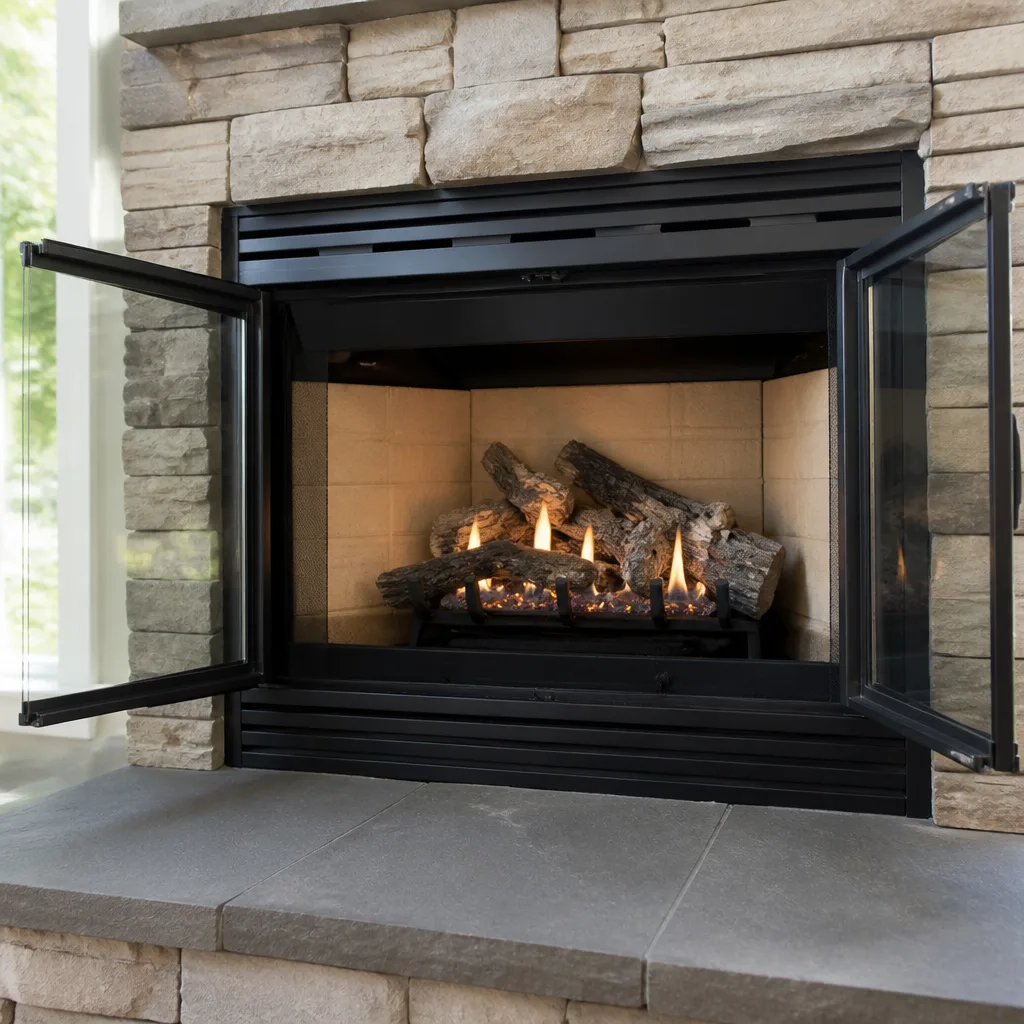 Gas fireplace service
Level 1 sweep and inspection to the NFPA 211 annual standard - flue, crown, cap, and flashing checked and photographed
Chimney sweep logs do not sweep chimneys. They loosen some creosote - which then falls where a brush and vacuum still have to collect it.
Seasonal Chimney Cleaning Care for Renton: Year-Round Homeowner’s Guide
The chimney problem most Renton homeowners discover in October actually started in February. When a flue sits cold and unused through the wet months, condensation forms on the inner walls and begins working at the mortar joints long before anyone thinks about lighting a fire. By the time smoke backs up or a stain appears on the ceiling, the damage has had a whole season to settle in. Renton’s climate doesn’t follow the “sweep it in fall” calendar most chimney advice assumes, and the homeowners who avoid expensive repairs are the ones whose schedule reflects that. This guide maps specific care tasks to the conditions this city actually gets, season by season, so you know what to look for and when.
Quick Answer
Year-round chimney care in Renton means inspecting after the heating season rather than only before it, because the wet winter is what does the damage. Sweep based on how much you burn and how dry your wood is, check the cap and crown before the rainy season starts, and watch for moisture and animal intrusion during the dry summer months. A post-season inspection in spring catches most problems while they’re still minor.
Styles & brands we work with
- Sweep & inspection
- Caps & crowns
- Flue relining
- Masonry repair
- Gas fireplace service
Table of Contents
- Why Renton’s Climate Changes the Chimney Calendar
- Winter: Creosote Buildup and Burn Habits
- Spring: The Post-Season Inspection That Matters Most
- Summer: Animal Intrusion, Moisture, and Crown Wear
- Fall: The Pre-Season Checklist Before the First Fire
- Burning More Than 3 Cords a Season? Adjust Your Schedule
- Inspection vs. Sweeping: What’s Actually Being Done
- Common Mistakes to Avoid
Why Renton’s Climate Changes the Chimney Calendar
Most chimney care advice online was written for a climate with a hard freeze and a dry summer. Renton doesn’t work that way. Our winters are wet and mild, our springs are wet, and our summers can run dry for weeks. That pattern creates four distinct risk profiles across the year, and each one asks something different of your chimney.
The common rule is “get it swept in the fall before you start burning.” That’s not wrong, but it puts the inspection on the wrong side of the damage. In a wet climate, most deterioration happens during the months the chimney is cold and idle. Water finds its way into mortar joints, the freeze-thaw cycle loosens brick faces, and by the time you’re ready to burn, the damage is already there.
What we’ve seen across Renton neighborhoods – from the older homes near downtown to the newer construction out toward the Highlands – is that the chimneys in the best shape belong to homeowners who inspect after the season, not just before it. Here’s the seasonal rhythm that works in this climate:
- Winter: Manage creosote through burn habits and wood quality.
- Spring: Inspect the whole system after the wet months to catch water damage early.
- Summer: Guard against animal intrusion, moisture through open dampers, and crown deterioration in dry spells.
- Fall: Run a pre-season checklist covering the damper, smoke shelf, and flue clearance before the first fire.
Each season gets its own section below. Read the one that matches the calendar, or read the whole guide once and set your year up correctly from the start.
Winter: Creosote Buildup and Burn Habits
Winter is when creosote accumulates, and the rate depends on two things you actually control: how often you burn, and how dry your wood is. Creosote forms when smoke cools before it exits the flue, and wet wood is the biggest cause of that cooling.
Seasoned firewood – split and dried – burns hot and clean. Wood with high moisture content burns cooler, produces more smoke, and deposits more creosote on the flue walls with every fire. In a wet climate like Renton’s, firewood left exposed to our winter rain never really dries out, which is why covered storage matters more here than in a drier place. If you’re buying wood, ask how long it’s been split and dried, and store it under cover with air flow around the stacks.
Burn frequency matters just as much. Consider where your household falls:
- Occasional use (a few fires a month, mostly for atmosphere): creosote accumulates slowly, and an annual sweep is usually enough.
- Regular winter heating (fires most cold days): buildup is steady, and the flue needs a sweep every season based on what the inspection finds.
- Primary heat source (burning more than 3 cords a season): buildup can be fast enough that a single annual sweep won’t catch it before it reaches hazardous levels. This warrants a mid-season check in addition to the annual service.
One more winter habit worth building: don’t let the fire smolder overnight. A damped-down fire produces the coolest, smokiest burn of all, and that’s the burn that lays down the most creosote. A hot, active fire is cleaner for the flue. If you notice smoke backing into the room or a strong, sharp odor from the fireplace, stop burning and have the system checked before you light another fire.
Spring: The Post-Season Inspection That Matters Most
If you only schedule one appointment a year, make it a spring inspection. This is the point most homeowners skip, and it’s the one that saves the most money in Renton’s climate. The logic is simple: the chimney has just come through months of wet weather, and water damage caught in spring is minor. Water damage caught in fall has had a full season to spread.
A post-season inspection looks for the things winter leaves behind:
- Mortar joint condition. Look for crumbling or sandy texture in the joints inside the firebox and up the flue. Wet winters are hard on mortar, and soft joints lead to loose brick.
- Rusted damper and metal components. Damp air from an unused flue rusts dampers and hardware over the wet months.
- Water staining on the smoke chamber or firebox. Stains point to a leak at the crown, the cap, or a flashing detail.
- Spalling brick faces. Brick that’s flaking or peeling has absorbed water and is failing.
- Creosote condition. Even at the end of the burn season, the glaze layer left on the flue walls matters, and spring is the right time to address it before it hardens further over the dry months.
Spring is also the right time to have any repair work done. The dry months give mortar and sealants time to cure properly, and you won’t be waiting on a crew during the busy fall rush. If the inspection turns up a compromised flue interior, we can often resurface it with a HeatShield application rather than tear out and replace the liner, which is a less invasive option and, in many cases, a lower-cost one. That’s the “restore before you replace” approach, and spring is when it works best.
Our technicians have up to 9 years of experience, and the pattern is consistent: the chimneys that need major masonry work in October are the ones that skipped their spring inspection. Book a chimney sweep and inspection at the end of the burn season and you’ll have a clear picture of the system before anything gets out of hand.
Summer: Animal Intrusion, Moisture, and Crown Wear
The dry months feel like the low-risk season, but summer creates three specific problems in Renton, and each one is easy to prevent and expensive to ignore.
Animal intrusion
A chimney is a warm, dry, sheltered cavity, and to a bird, squirrel, or raccoon it looks like a good place to nest. A missing or damaged cap is an open door. Nests block the flue, and a blocked flue is a smoke and carbon monoxide hazard the moment you light a fire in fall. A proper cap with mesh screening keeps animals out without restricting the draft. If you hear scratching or chirping from the chimney, don’t light anything. Have it inspected and cleared first.
Moisture infiltration through open dampers
When the fireplace is closed for the season, a damper left slightly open lets warm, humid summer air move up into the cooler flue, where it condenses. Over a dry summer this is minor, but it adds up. It also lets humid air reach the firebox and smoke chamber, which is where rust on metal parts begins. When the fireplace isn’t in use, close the damper fully.
Crown deterioration in dry spells
The crown is the concrete cap at the top of the chimney, and it’s designed to shed water away from the flue. Hairline cracks that seem harmless in summer widen with the wet-dry cycle. A crown with a crack in it funnels water straight into the masonry, and that water works its way down through the whole structure over the following winter. The crown and the cap are the leading entry points for water damage in this climate, and most sweep-only businesses won’t touch them – they refer the work out. We handle chimney cap & crown installation and replacement as part of the same service, so the job doesn’t get handed off mid-repair.
Summer is also the best time to have cap and crown work done. The repair cures properly in dry weather, and it’s in place before the rain returns.
Fall: The Pre-Season Checklist Before the First Fire
Fall is the traditional chimney season, and it’s the right time for a pre-season check – just not the only one. Before you light the first fire of the year, work through this list:
- Verify the flue is clear. A visual check from the firebox tells you almost nothing about the flue above. Only a proper inspection with a camera confirms the flue is open, clean, and unobstructed. If there’s any doubt, have it inspected before you burn.
- Test the damper. Open and close it fully. It should move freely and seal. A damper that’s stuck open or won’t open wide is a draft and efficiency problem, and a stuck-open damper is a year-round moisture path.
- Look at the smoke shelf. The smoke shelf is the ledge at the back of the firebox that turns smoke up into the flue. Soot buildup on it, or debris that has fallen onto it, causes smoke to spill into the room.
- Check the cap. Is the cap in place and the mesh intact? Any gap is an invitation for animals and rain.
- Look for creosote glaze. A shiny, tar-like layer on the flue walls is the dangerous stage of creosote. It needs to be removed before the heating season, not after.
- Inspect the firebox for cracks. Cracked firebox panels or joints let heat reach the masonry behind them, which is a fire risk. Firebox repair is a job for a professional, not a patch kit.
A fall inspection confirms the flue is ready. If it turns up a problem, the sooner it’s addressed the better, since fall is the busiest time of year for chimney work. That’s the argument for moving the main inspection to spring and treating fall as a confirmation pass.
Burning More Than 3 Cords a Season? Adjust Your Schedule
Three cords is the practical threshold. Below it, an annual sweep plus a spring inspection usually keeps the flue in good shape. Above it, creosote can accumulate fast enough within a single season that an annual service comes too late. If you burn more than 3 cords of wood per season, adjust your schedule like this:
- Mid-season check: Have the flue inspected partway through the burn season, not just at the end. The purpose is to catch a creosote glaze layer while it’s still thin.
- Sweep based on buildup, not the calendar. A heavy burner may need a sweep more than once a season. The inspection tells you when, based on what’s actually on the flue walls.
- Prioritize wood quality. With this volume, the moisture content of your wood has an outsized effect on creosote rate. Buying seasoned wood and storing it under cover pays for itself in reduced buildup.
- Watch the cap and crown. Heavy use means more heat cycling at the top of the chimney, and the crown takes the wear. Check it more often.
- Consider a camera inspection each time. Camera inspection gives you a clear picture of the flue interior from top to bottom, which is how you know the difference between a flue that needs a sweep and one that needs resurfacing.
If this describes your household, plan your care around the actual burn volume, not the general rule. For a full-system Renton Chimney Sweep inspection that covers the flue, the firebox, the cap, and the crown in one visit, one crew can map the whole system and tell you exactly what’s needed.
Inspection vs. Sweeping: What’s Actually Being Done
People use “chimney sweep” and “chimney inspection” as if they were the same appointment. They’re different jobs, and the difference matters for how you build your year-round schedule.
A sweep removes what’s on the flue walls: soot, creosote, and debris. It makes the flue cleaner and reduces the fuel available for a chimney fire. It does not assess the condition of the system.
An inspection assesses the condition of every part of the chimney, from the firebox to the crown. It tells you what shape the mortar is in, whether the flue liner is sound, how the damper and smoke shelf are functioning, and whether the cap and crown are doing their job. An inspection is what catches the February-to-October problem from the top of this guide.
The two work together. We include a camera inspection and a photo report with every sweep, so you see exactly what we see – the same images we base our recommendations on. Nothing gets recommended without camera evidence you can review for yourself. And when work can safely wait, we tell you that too. That’s the standard we hold to: what’s actually wrong, not just what’s easy to fix.
This is also why the five service lines matter for how your year works. Sweeping, inspection, cap and crown work, fireplace repair, and chimney structural repair are handled by one company, so a spring inspection that turns up a firebox crack or a failing crown doesn’t mean a handoff to a second contractor. One inspection, one crew, one point of contact.
Common Mistakes to Avoid
- Only sweeping in the fall. A fall sweep confirms the flue is clean. A spring inspection catches water damage while it’s still minor. Doing only the first leaves the more expensive risk unaddressed through Renton’s wet winter.
- Burning wet wood. Wood with high moisture content burns cooler and lays down more creosote with every fire. In a wet climate, covered storage matters as much as choosing well-seasoned wood.
- Skipping the cap. An open flue is an invitation for animals, rain, and debris. The cap is cheap insurance against all three, and it’s one of the first things to check each year.
- Ignoring a hairline crown crack. A small crack in the crown lets water into the masonry, and the wet-dry cycle widens it. Fix it in summer and it never becomes a masonry repair.
- Treating a sweep as an inspection. A cleaner flue isn’t the same as a sound chimney. Condition needs its own assessment, with camera evidence you can see.
- Poisoning an animal that’s taken up residence. Humane removal, then a cap, is the correct sequence. A trap or a smoke bomb in a flue can leave a worse problem behind.
- Burning through a creosote glaze layer. A hot, fast burn does not clear a glaze layer; it feeds it. Glaze needs to be removed by a sweep before the next fire, not burned off.
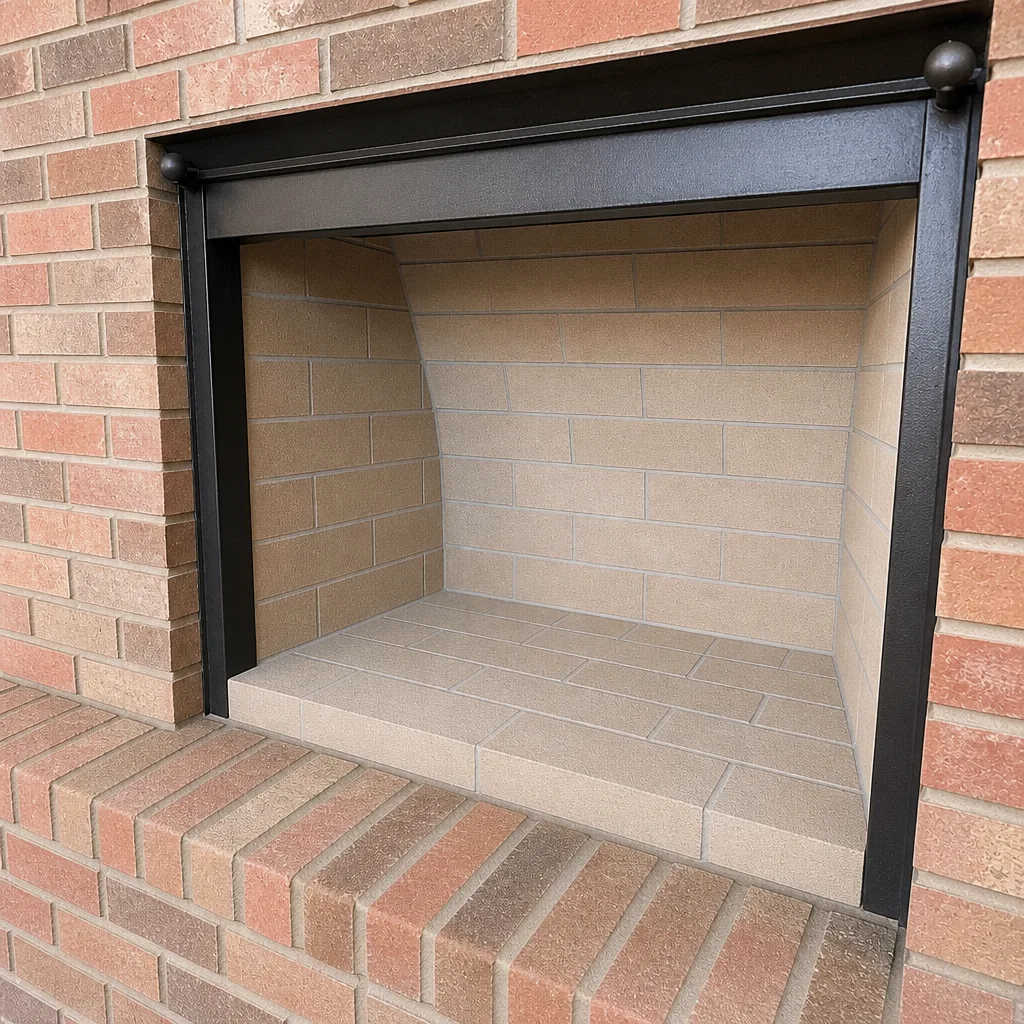
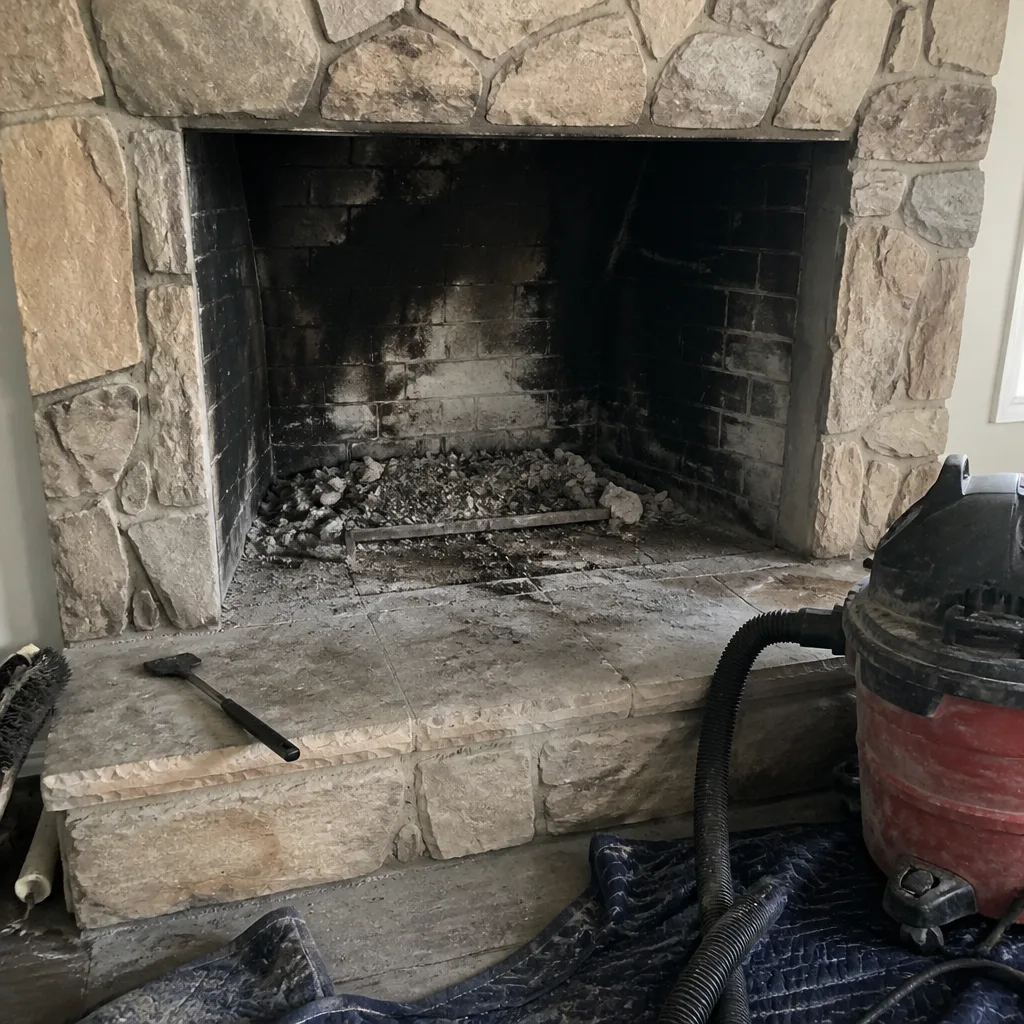
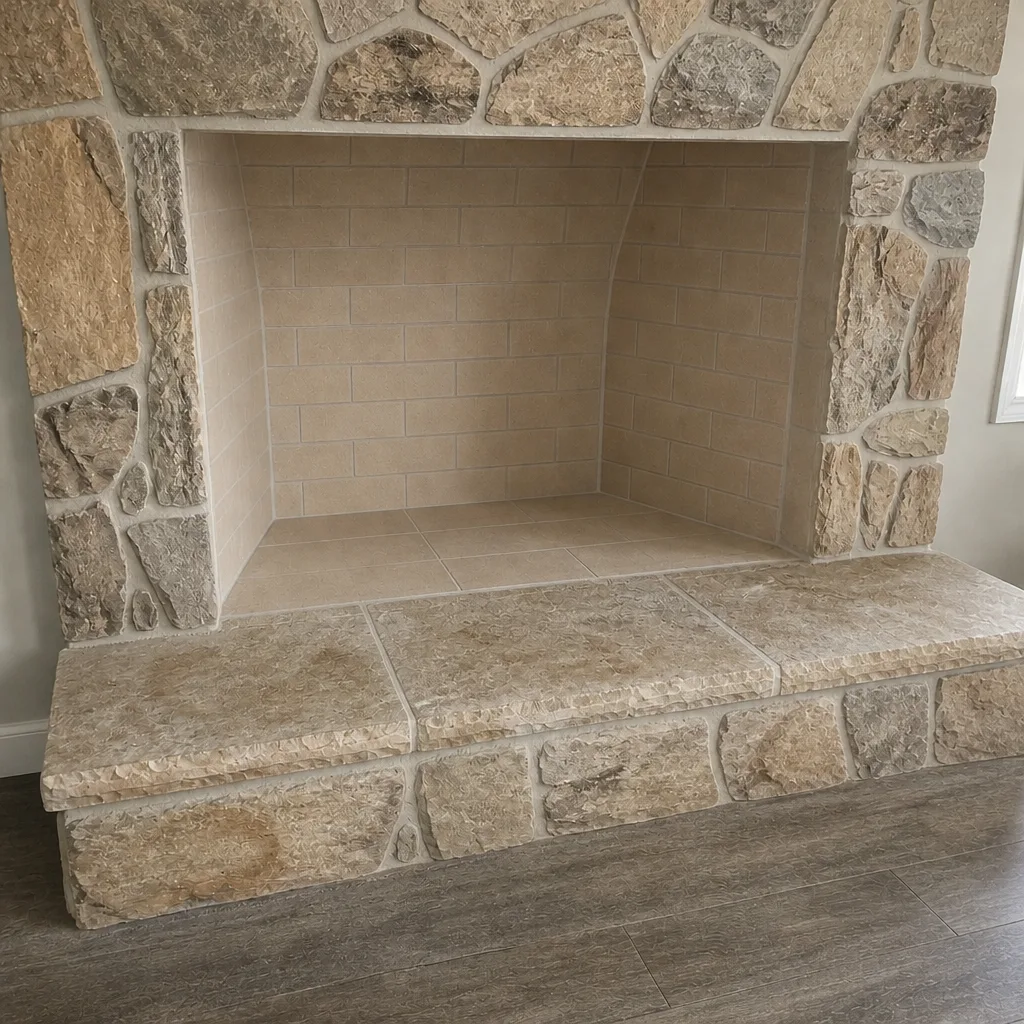
See the difference
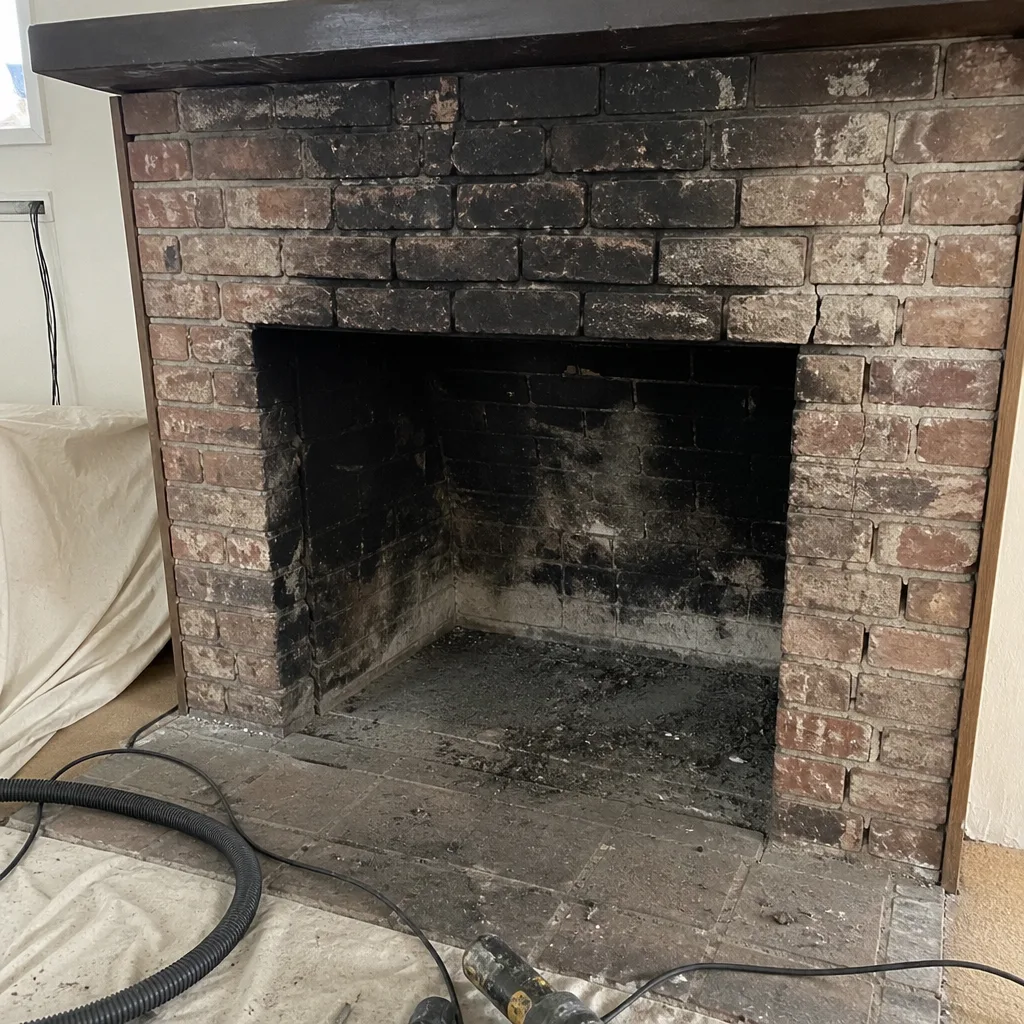 Before
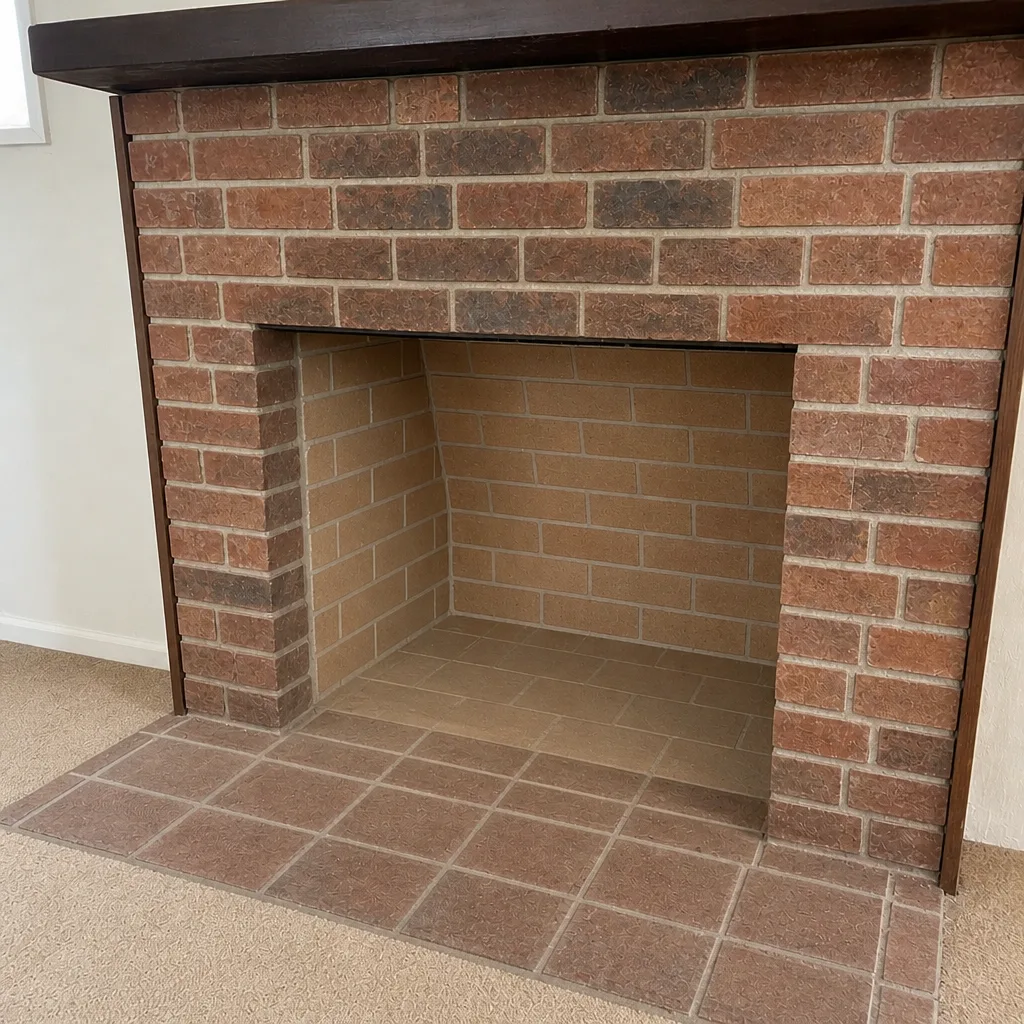 After
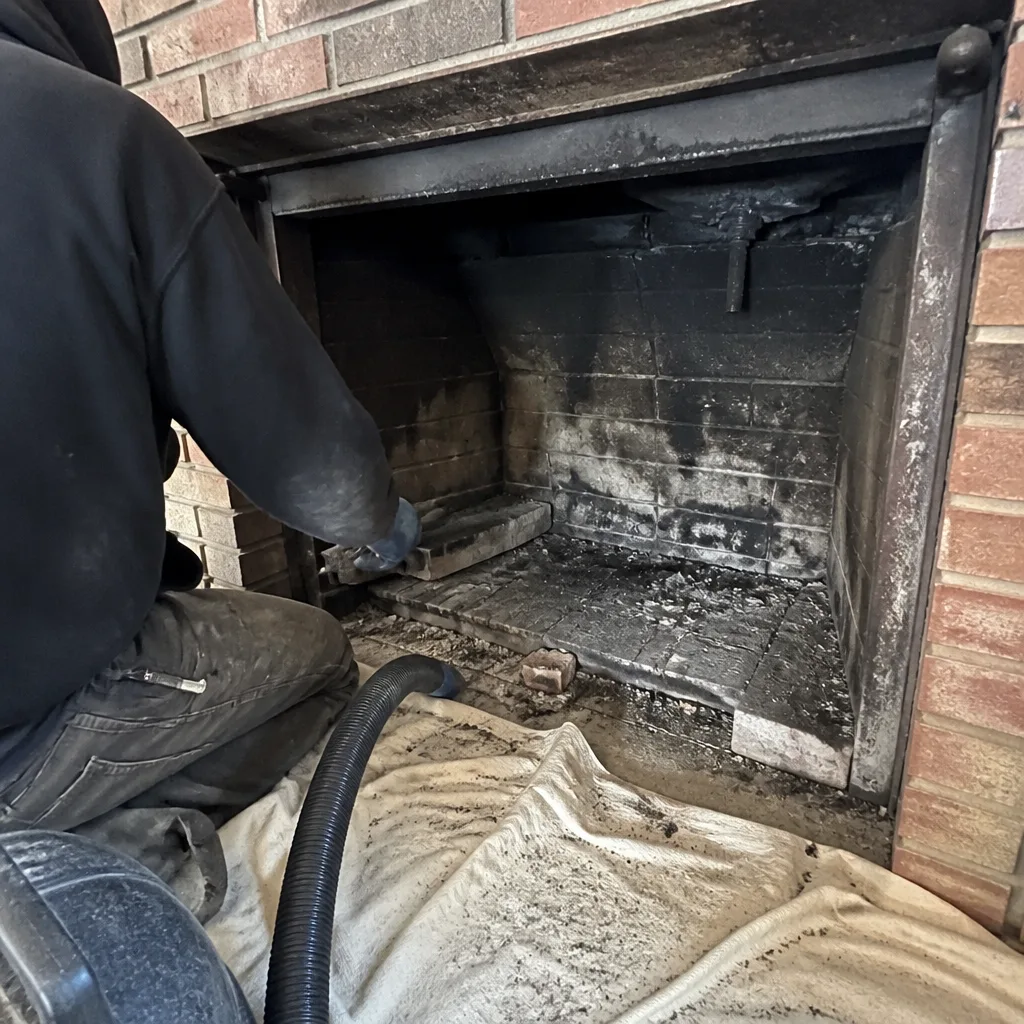 Before
 After
 Before
 After
When to Call a Professional
Some chimney work is routine, and some is a call the moment you notice it. Call a professional if smoke backs into the room when you open the damper, if you smell a strong, sharp odor from the fireplace that doesn’t clear, if you see water stains on the firebox or smoke chamber, if you hear animals in the chimney, if the firebox has cracked panels or joints, or if the crown or cap has visible damage. Any of these can affect safety, and none are jobs for a patch kit. We can work with your insurer where a covered loss is involved. Renton Chimney Sweep offers free estimates in Renton – call (844) 625-7416. We answer 24/7. Fast dispatch from 7am to 7pm, Sunday through Friday.
Frequently Asked Questions
Most Renton homeowners need a sweep once a year, based on what the spring inspection finds. If you burn more than 3 cords of wood a season, you may need a sweep more than once. The schedule follows buildup on the flue walls, not the calendar. Call (844) 625-7416 for an exact quote on a sweep and inspection – estimates are free.
A spring inspection catches water damage after the wet winter, while it’s still minor, and gives repairs the dry summer to cure. A fall inspection confirms the flue is ready to burn, which is useful, but it’s the wrong side of the season to catch damage from months of rain. Ideally you get both.
You can, but the risk grows with each skipped season. A flue that went unscanned through a wet winter may have developed mortar deterioration, a crown crack, or a creosote glaze layer that an annual inspection would have caught early. In a wet climate, skipping a year is when minor problems turn into masonry repairs.
Smoke and carbon monoxide can back into your home rather than venting outside. A blocked flue from a bird nest, a damaged liner, or a heavy creosote glaze layer all raise the risk of a chimney fire or carbon monoxide exposure. The fix is an inspection to establish the flue’s condition before you burn, not after you notice a problem.
Often the flue can be resurfaced rather than replaced. HeatShield resurfacing is a less invasive option for a compromised flue interior, and in many cases it’s a lower-cost alternative to a full liner tear-out. The determination comes from a camera inspection, and you see the evidence before anything is recommended. Call (844) 625-7416 to book one – estimates are free.
Pricing is set per job by the written estimate, so the number reflects the actual condition of your chimney rather than a flat rate. A sweep that includes a camera inspection and photo report is the standard appointment. Call (844) 625-7416 for an exact quote – estimates are free.
The Bottom Line
Year-round chimney care in Renton means matching the work to the season, not running one fall sweep and hoping. Winter is about creosote and wood quality. Spring is the inspection that matters most, because the wet months do the damage and spring is when it’s cheapest to fix. Summer is for caps, crowns, and animal intrusion. Fall is a confirmation pass before the first fire. If you burn more than 3 cords a season, add a mid-season check. We install DuraFlex, HeatShield, Gelco, Olympia Chimney, Famco, and Copperfield products, so repairs use the same materials certified chimney professionals specify. One inspection, one crew, one point of contact, from the firebox to the crown. Call (844) 625-7416. We answer 24/7. Fast dispatch from 7am to 7pm, Sunday through Friday.
Written by the team at Renton Chimney Sweep.