
Last updated November 23, 2026
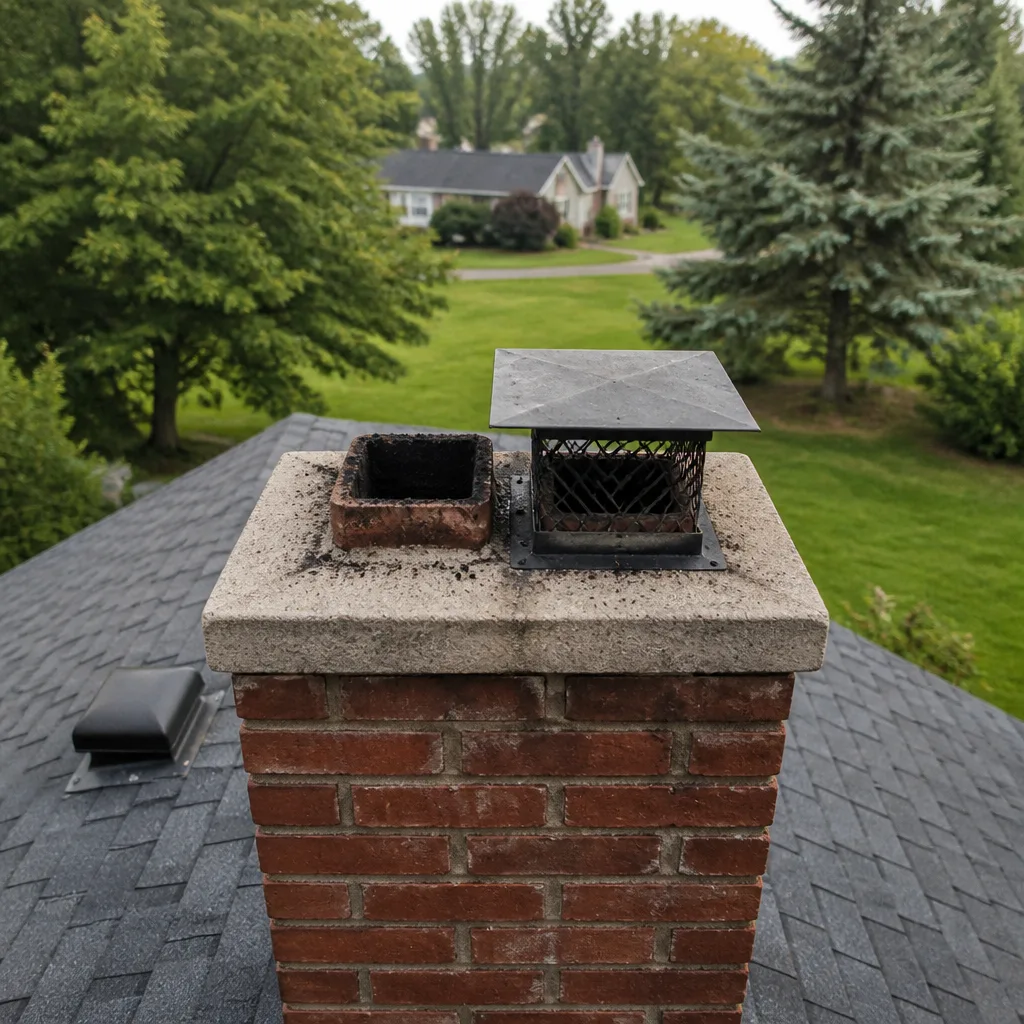 Sweep & inspection
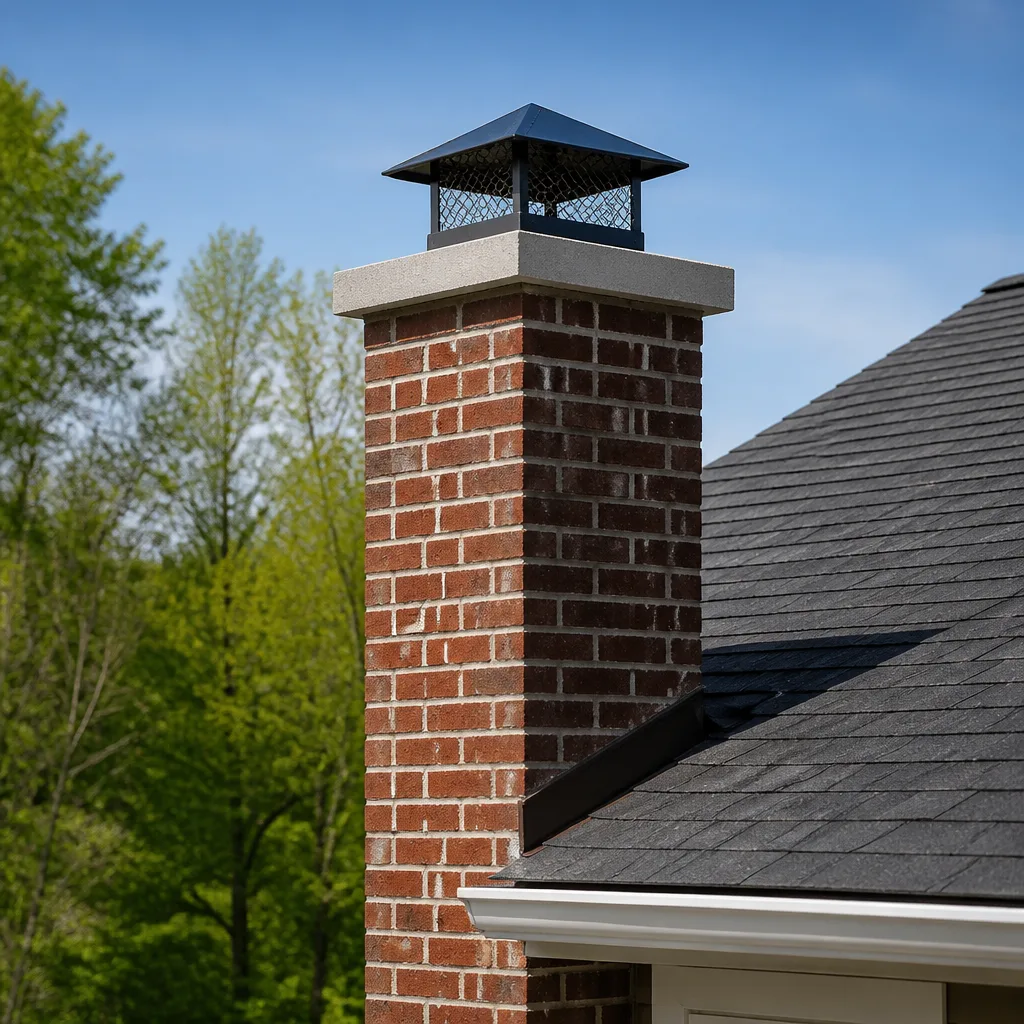 Caps & crowns
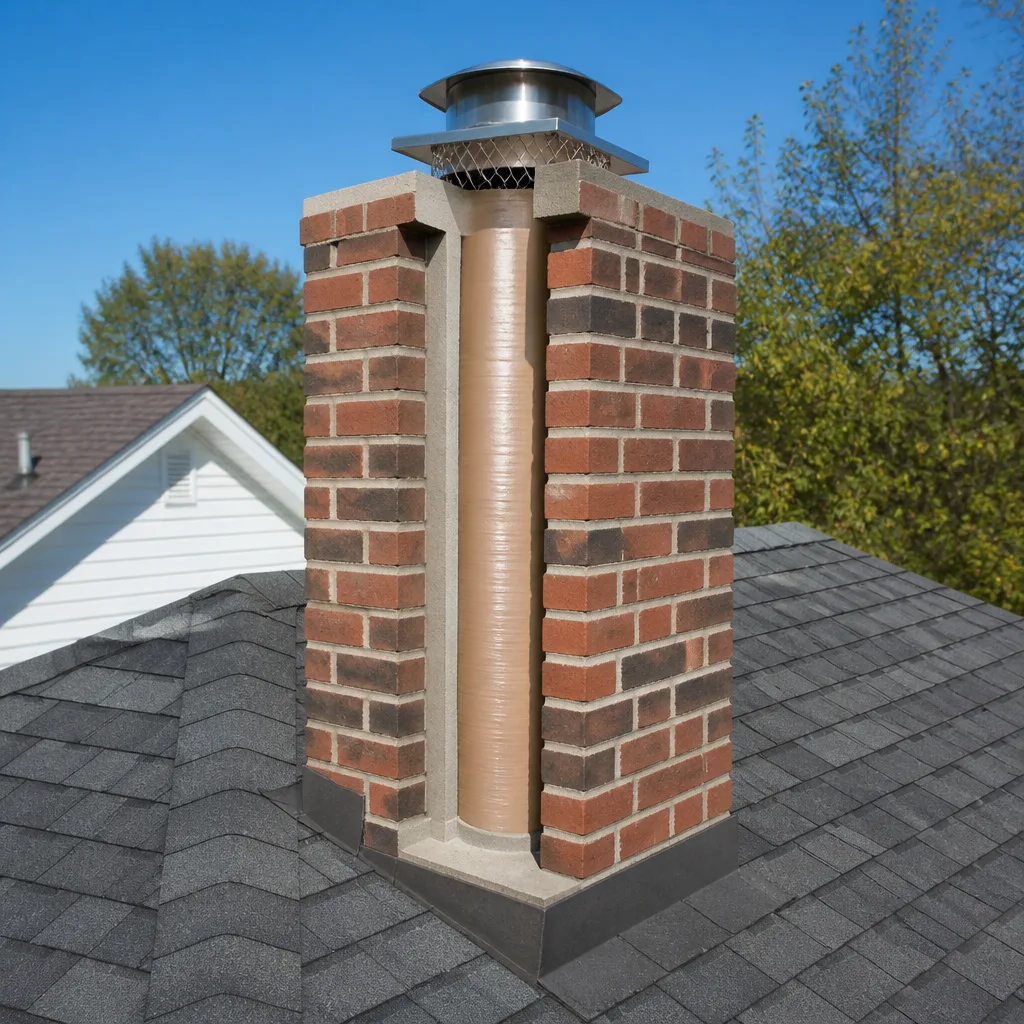 Flue relining
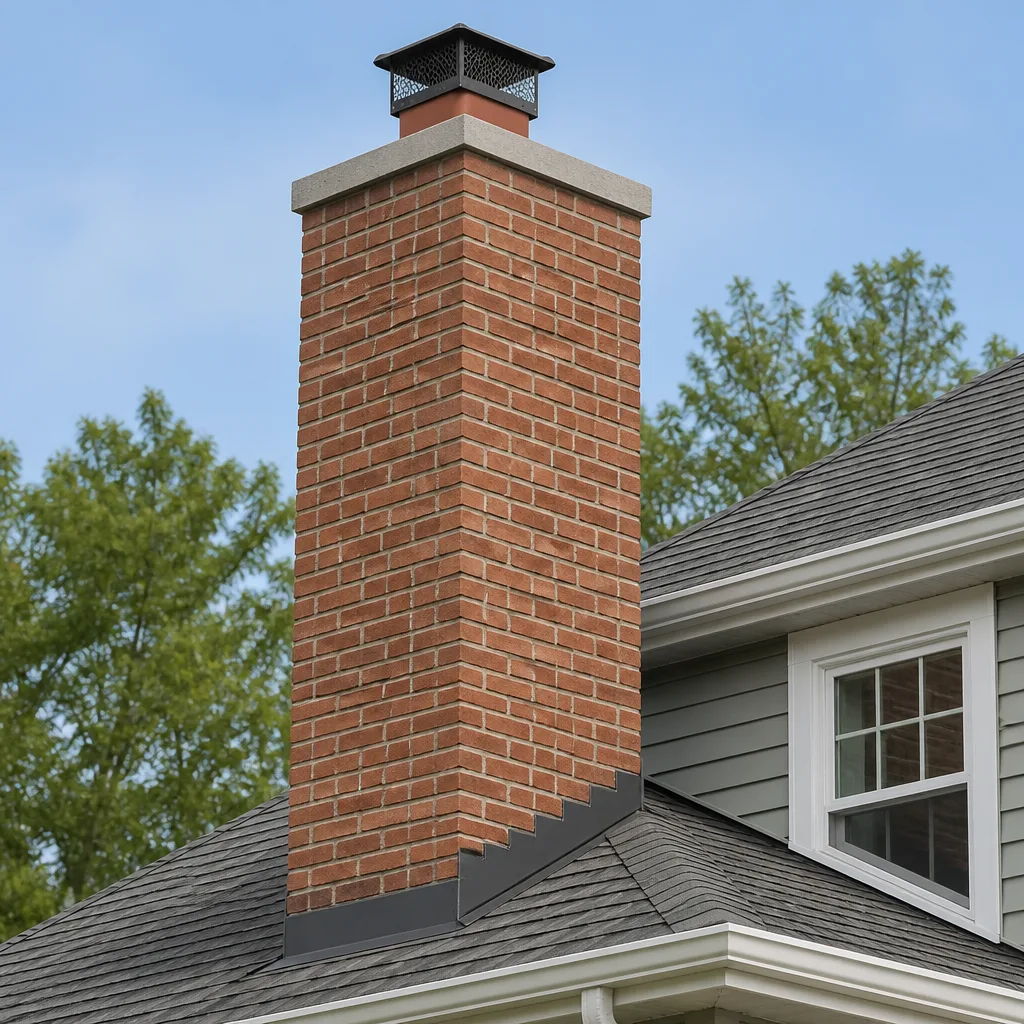 Masonry repair
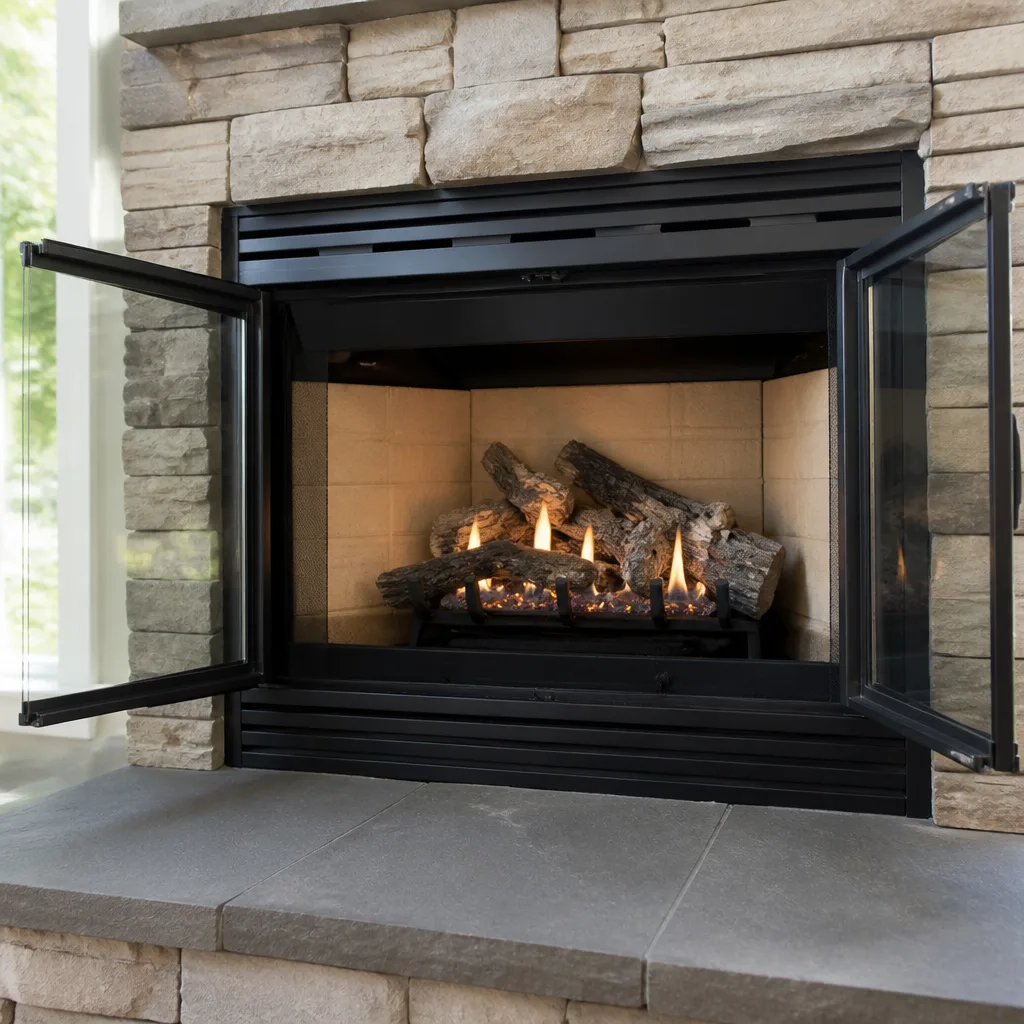 Gas fireplace service
Level 1 sweep and inspection to the NFPA 211 annual standard - flue, crown, cap, and flashing checked and photographed
Chimney sweep logs do not sweep chimneys. They loosen some creosote - which then falls where a brush and vacuum still have to collect it.
How to Hire a Chimney Cleaning Contractor in Renton: A Step-by-Step Guide
Washington State doesn’t require a chimney-specific contractor license, so the person quoting your flue cleaning could have more experience pressure-washing driveways than working inside a flue, and you’d have no way to know from the truck wrap alone. That gap is the whole problem with hiring in this trade. Buzzword resumes and five-star stickers don’t close it. A repeatable vetting process does. This guide walks you through exactly which credentials matter in Renton, what each one actually proves, the five questions that separate a full-system specialist from a sweep-only operation, how to read an estimate line by line, and how to tell real local reviews from noise. Work through it once and you’ll hire confidently for as long as you own the house.
Quick Answer
To hire a chimney cleaning contractor in Renton, verify three things before you book: current CSIA or NFI certification, active Washington general liability and workers’ compensation coverage, and a scope of work that covers inspection, sweep, and repair under one company. Then ask the contractor to explain what they’ll check beyond the flue, confirm they’ll provide written findings with photos, and get the price in writing before any work begins.
Styles & brands we work with
- Sweep & inspection
- Caps & crowns
- Flue relining
- Masonry repair
- Gas fireplace service
Table of Contents
- Why Hiring a Chimney Contractor in Renton Is Harder Than It Looks
- Which Credentials Actually Matter in Washington State
- Five Questions That Separate a Specialist From a Sweep-Only Operation
- How to Read a Chimney Contractor’s Estimate
- What Proper Insurance Looks Like for Chimney Work in Washington
- How to Verify Reviews Are Real and Locally Relevant
- What Renton’s Climate and Housing Stock Demand From a Chimney Contractor
- The Step-by-Step Hiring Process
Why Hiring a Chimney Contractor in Renton Is Harder Than It Looks
Chimney work in Washington doesn’t have the regulatory scaffolding that plumbing, electrical, or roofing does. A contractor doing structural chimney repair likely needs specialty registration, but a person arriving to sweep your flue may only need a general business license. That legal gap puts the vetting burden squarely on you. In most trades you can lean on a licensing board to filter out the unserious. Here, you can’t.
The practical result is a wide field. You’ll find full-system chimney specialists who inspect, sweep, reline, and rebuild. You’ll find sweep-only businesses that refer repairs out. And you’ll find generalists who add chimney cleaning to a menu of gutters, pressure washing, and window work. None of those three is necessarily dishonest. But the range of outcomes is enormous, and the difference shows up in what gets found, what gets reported, and what it costs you over the life of the chimney.
Renton adds a wrinkle. The city sits at the south end of Lake Washington, with older bungalows and mid-century homes around downtown, newer construction in the Highlands and Renton Hill, and a steady mix of wood-burning fireplaces and gas inserts throughout. That variety means a contractor who only knows new construction flues or only knows masonry fireplaces will miss things on the other type. A contractor who does this work across Renton regularly will have seen both. Ask about it directly.
What you’re really screening for, then, isn’t brand-name recognition. It’s whether the person on your roof or in your firebox has the certification to know what they’re seeing, the insurance to stand behind it if something goes wrong, and the scope of capability to fix what they find without handing you to a second contractor mid-stream. The rest of this guide builds the checklist that gets you there.
Which Credentials Actually Matter in Washington State
Not every credential you’ll see on a truck is equal, and some are little more than a training certificate printout. Three credentials carry real weight in this trade. Understand what each one proves and what it doesn’t.
CSIA Certified Chimney Sweep
The Chimney Safety Institute of America (CSIA) certification is the baseline credential for anyone sweeping or inspecting a chimney in the US. To earn it, a technician passes a written exam, agrees to a code of ethics, and renews through continuing education. What it proves: the person understands how chimneys vent, how creosote forms and ignites, and what a proper inspection covers. What it doesn’t prove: that the company they work for carries insurance, or that the company does repair work. CSIA certifies individuals, not businesses. Ask which technician is certified and whether they’ll be the one at your house.
NFI Certification
The National Fireplace Institute (NFI) certifies technicians in specific fuel categories – wood, gas, or pellet. This matters more than most homeowners realize. A gas insert and a wood-burning fireplace are entirely different systems with different failure modes, and a technician certified only in wood may not recognize the signs of a compromised gas vent. If you have a gas fireplace, ask whether the technician holds NFI Gas certification. If you burn wood, ask for NFI Wood. The CSIA certification and NFI certification are complementary, and a serious full-system contractor will often have both.
Washington C-10 Specialty Contractor Registration
For repair and rebuild work beyond a sweep, ask whether the company holds an active Washington contractor registration in an applicable specialty classification. This registration is issued by the Department of Labor & Industries and confirms the business has bonded and insured itself at the minimum the state requires. It doesn’t guarantee quality. It does confirm the company is a registered business you have recourse against. A “C-10” designation refers to a specific specialty classification; not all chimney contractors will fall into exactly that classification, but any legitimate contractor should be able to produce their L&I registration number on request.
What a Lack of Credentials Actually Tells You
If a contractor can’t name a CSIA- or NFI-certified technician on staff, doesn’t know their L&I registration number, or deflects the question with “we’ve been doing this a long time,” treat that as a signal. It doesn’t automatically mean they’re unqualified. It means you can’t verify their qualifications, which in an unlicensed trade is the same practical problem. Move on to the next call.
Five Questions That Separate a Specialist From a Sweep-Only Operation
You’ll know within five well-placed questions whether the contractor on the phone does full-system work or just sweeps flues and refers the rest. These aren’t gotcha questions. They’re the same ones any experienced chimney professional would want asked.
- “What’s your inspection scope – Level 1, 2, or 3, and what does each one include when you do it?” A specialist knows the difference cold. A Level 1 is visual and covers accessible components. A Level 2 adds a video scan of the flue and is standard before any property sale or after a chimney fire. A Level 3 opens concealed areas. Red flag: the answer describes “a good look at everything” without naming levels.
- “If you find a cracked flue liner, what are my repair options?” A full-system specialist will talk through resurfacing versus relining, and will name specific materials. At Renton Chimney Sweep, for example, we use HeatShield resurfacing for compromised flue interiors where a full tear-out isn’t required, and DuraFlex flexible liners where the flue geometry won’t take a rigid liner. Red flag: “we’d have to replace the whole thing” with no alternative discussed.
- “Do you install chimney caps and crowns?” Cap and crown work prevents most water intrusion. A sweep-only operation usually refers this to a mason or roofer. A full-system specialist handles it in-house. Our chimney cap & crown service exists because we’ve seen too many Renton-area chimneys with failed crowns quietly leaking into the smoke chamber for years.
- “Who’s the certified technician and will they be at my house?” Red flag: “the crew is certified” without a name, or “we have several guys certified” without confirming one will actually be on site. Ask which certification, and whether it’s current.
- “Can you give me the quote in writing before any work begins, with a breakdown of the sweep, inspection, and any recommended repairs as separate lines?” Red flag: a single bundled price with no line items, or pressure to commit on the call.
If a contractor answers all five plainly and puts them in writing, you’re already ahead of most hiring outcomes. The follow-up to those answers – whether the estimate is itemized, whether the insurance checks out – is where the good hire gets separated from the acceptable one.
How to Read a Chimney Contractor’s Estimate
A chimney estimate should read like a scope of work, not a menu. When you get one in writing, walk through it with this checklist. Anything vague or missing is worth asking about before you sign.
- Separate line for the sweep. A base charge for cleaning the flue, firebox, smoke chamber, and damper. If the sweep is bundled with the inspection into one price, ask why; some companies use the bundle to hide an inflated inspection fee.
- Separate line for the inspection. What level, what it covers, and whether a video scan is included. If you’re told you need repairs, the inspection should include photos of what was found.
- Line items for each recommended repair. Not “chimney repair – $X.” Specifics: crown resurfacing, cap replacement, liner resurfacing, flue tile crack repair. Each line should describe what’s being done and what material is used.
- Named materials. If a liner is being installed, ask which brand. Legitimate full-system contractors work with professional-grade suppliers – HeatShield, DuraFlex, Gelco, Olympia Chimney, Famco – because the materials hold up and have manufacturer support. An estimate that says “new liner” with no brand or spec is leaving the quality question unanswered.
- Permit line, where applicable. Structural chimney work usually requires a permit. A contractor who knows this will ask about it or state who’s pulling it. If the estimate is silent on permits and the work is structural, ask.
- Clean-up and disposal. Chimney work produces soot, debris, and old materials. Any reputable contractor includes clean-up in the scope. If it’s not mentioned, ask.
- Exclusions. What’s NOT included. A good estimate is honest about what could change the price. If the flue is worse than inspection found, what happens?
Notice what’s missing from that list: dollar amounts. We’re not quoting you a sweep price here because chimney work varies enough by flue configuration, access, and length that a number printed in a guide would be misleading. What matters is that every line item is accounted for before you say yes. The written estimate sets the final price, not the phone call.
The Upsell Signals to Watch For
An estimate can be overpriced without any line item being false. Watch for these patterns:
- A sweep that turns into a “recommended” major repair on the same visit, with no photos provided
- Repairs recommended for the same component two years in a row without the first being performed
- A price quoted verbally that doesn’t match the written estimate
- Urgency language – “this needs to happen today”
- No alternative to a full replacement discussed when the damage described could often be fixed by a less invasive method
None of these means every recommended repair is fake. Some repairs genuinely are urgent. But if a contractor won’t show you the evidence, or won’t walk through the reasoning, that’s the reason to get a second opinion before you sign. We tell our own customers the same: if you can’t see it on camera, don’t pay for it.
What Proper Insurance Looks Like for Chimney Work in Washington
Chimney work involves roof access, ladders, heavy materials, and working inside a confined space alongside open flame hazards from past combustion. The exposure is real. Insurance is what makes a bad outcome recoverable instead of a debt you carry. Ask for certificates before you book.
General Liability
General liability covers third-party property damage and bodily injury. If the contractor’s ladder falls onto your gutter or the chimney crown drops onto your roof, that’s what pays. Ask for a certificate of insurance showing current coverage, and confirm your address is on the policy (or that the policy covers residential job sites generally, which most do). A contractor who can’t or won’t produce a certificate is a contractor who is either uninsured or has something to hide. Either way, walk.
Workers’ Compensation
In Washington, any company with employees is required to carry workers’ comp through the Department of Labor & Industries. This matters because if a worker is injured on your property and the employer has no coverage, you can become the target of the claim. Ask for the company’s L&I account status. If the answer is “we’re all subcontractors,” press harder. A single owner-operator may be legally exempt. A company sending a crew of three isn’t.
Bonds and Registration
Washington requires registered contractors to post a surety bond and carry minimum liability insurance. The bond exists so that if a contractor takes your money and disappears, you have some recovery path. Ask for the contractor’s registration number and verify it against the Department of Labor & Industries contractor lookup. This takes two minutes and eliminates a whole category of risk.
What the Verification Actually Looks Like
Every legitimate contractor in Renton will have this ready. The verification process is:
- Ask for insurance certificates and the L&I registration number by email.
- Look up the registration on the L&I contractor lookup tool.
- Call the insurance agent listed on the certificate to confirm the policy is active.
- Confirm the workers’ comp status matches what you were told on the phone.
Four steps, ten minutes, done. If a contractor balks at any of it, that’s the answer.
How to Verify Reviews Are Real and Locally Relevant
A contractor with five hundred five-star reviews from across three states is worth less to you than one with thirty focused reviews from your side of Lake Washington. Here’s why, and how to sort them.
Why Volume Isn’t Quality
Large review counts on national platforms often reflect marketing spend, not depth of local experience. A contractor serving a five-state region may have handled dozens of flues in Florida and two in Renton. That’s not the same as a contractor who’s worked on chimneys across the Renton Highlands, Kennydale, and Renton Hill for years. When it comes to what the climate, housing stock, and local codes demand, the regional specialist knows more.
What Real Local Reviews Look Like
- City-specific references: “our house in Kennydale,” “the chimney on our 1940s bungalow near downtown”
- Specific service mentions: not just “great job,” but “the crown resurfacing” or “they showed us the flue scan”
- Mixed ratings: a real business will have a few reviews below five stars. All-perfect is a pattern worth questioning.
- Response from the business: when there’s a critical review, does the owner reply with specifics or with a generic apology?
- Recent activity: reviews dated within the last year or two tell you the business is current, not coasting on a reputation from a previous decade.
How to Cross-Check
Read the worst-rated reviews first. Every business has a few. What you’re looking for is whether the complaints are about the same thing over and over again. Two negative reviews about “they recommended a full liner and I got a second opinion that said otherwise” is a pattern. One negative review about a scheduling mix-up is normal life. Also check the responses: did the business take the complaint seriously or dismiss it? A pattern of pushback from the owner is worth noting.
Cross-check the business name across Google, the Better Business Bureau, and any local Renton community or neighborhood forums where homeowners actually talk. A contractor who does good work in Renton will show up in local conversations, not just in a paid ad campaign.
What Renton’s Climate and Housing Stock Demand From a Chimney Contractor
Renton’s weather is not Phoenix. It rains, on average, more than 140 days a year here, and much of that falls between October and May. That’s the quiet period most homeowners aren’t thinking about the chimney. It’s also when water finds the weak points – a failing chimney crown, a missing cap, cracked mortar. If your contractor only inspects the flue interior and the firebox, they’re missing the leading causes of the expensive problems.
The housing stock matters too. Renton has a lot of homes built from the 1940s through the 1970s, many with original masonry chimneys. Those systems have typically been through multiple owners, multiple fireplace renovations, and possibly a previous relining job of uncertain quality. When you hire a contractor in Renton, ask what they’ll do about the exterior of the chimney, not just the inside. A contractor who does cap and crown work in-house will spot the failed crown before it becomes a rotted smoke chamber. A sweep-only operation may not.
The other local factor is that we burn wood here for a real season – not a hobby season, but a real one. That means creosote builds up. It also means a chimney that behaves fine nine months of the year can run into serious trouble in February if the flue has glaze or accumulation at the smoke chamber. Your inspection should be timed for late summer or early fall, before the season is underway, so any repair has room to happen before you’re trying to light the first fire. Booking a chimney sweep in August or September is a better gift to yourself than booking one in December.
The Step-by-Step Hiring Process
Here’s the whole vetting sequence in order. Follow it once and you’ll have a contractor you trust for the life of the chimney.
- Verify the credential. Confirm at least one CSIA-certified technician on staff, and NFI certification in the fuel category you actually burn. Ask which technician will be at your house.
- Verify the business registration. Pull the L&I contractor registration number and check it against the Department of Labor & Industries lookup. Confirm it’s active.
- Verify insurance. Request certificates for general liability and workers’ comp. Confirm by calling the insurance agent, not just by reading the certificate.
- Ask the five questions from the section above. Listen for specificity and evidence, not reassurance.
- Check reviews for local relevance and cross-check the business name on local forums and the BBB. Read the one- and two-star reviews first.
- Book the sweep and inspection. Confirm the inspection level (Level 1 or 2, usually 2 if there’s any concern) and whether a video scan is included.
- Read the estimate line by line when the findings come in. Ask about photos. Ask about alternatives before any major repair. Ask about permits if the work is structural.
- Get any second opinion you want before signing, especially for anything involving a full liner replacement or structural rebuild. A legitimate contractor won’t be offended.
What ties the whole process together is that you’re vetting the company, not just the technician. A certified technician working for a company that outsources repairs and carries thin insurance is a liability. A full-system company with a certified technician, verified insurance, and a scope that covers firebox to crown is one call that keeps the whole chimney in one accountable pair of hands. That matters here. From a Renton perspective, one crew, one inspection, one point of contact beats handing off between a sweep, a roofer, and a mason three times over.
Common Mistakes to Avoid
- Hiring on price alone. A sweeping quote that undercuts everyone by fifty dollars often reflects a sweep-only operation that will refer every repair to a second contractor – or a technician who won’t scan the flue at all. The base price you save gets spent on the repair callback.
- Accepting a repair recommendation without photos. If a contractor tells you the flue liner is cracked or the crown is failing, ask to see it on camera before you agree. Reputable contractors expect this. If they don’t have photos, the recommendation is a guess.
- Confusing a general business license with contractor registration. A business license means the company is legally allowed to transact business in Renton. It doesn’t mean they’re insured or registered as a contractor. Ask for both.
- Skipping the L&I lookup. It takes two minutes. Contractor registration is public record. If a company isn’t in the system, that’s not a paperwork gap – it’s a signal about how they operate.
- Assuming a sweep-only operation will handle repairs. A sweep-only company often ends up subcontracting to an unknown mason or handyman. You don’t get to vet that person, and the accountability chain gets longer. Ask up front who does the repair work.
- Not verifying workers’ comp when the company sends a crew. A single owner-operator may legally be exempt. A company with employees isn’t. If you’re not sure, ask – the answer is quick.
- Believing every full liner is necessary. Not every compromised flue needs tear-out. HeatShield resurfacing, for example, fixes many interior flue problems without full replacement. If a contractor only offers one repair path, get a second opinion before signing anything.
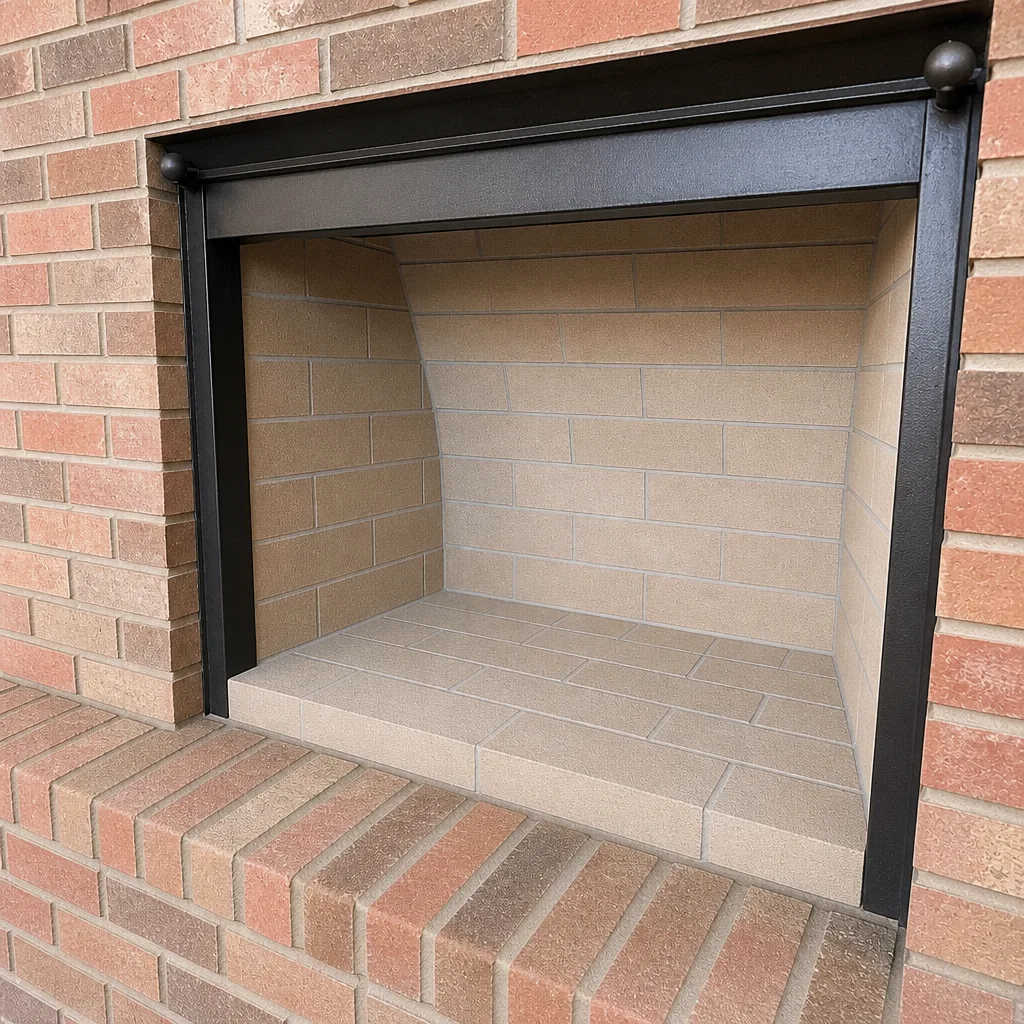
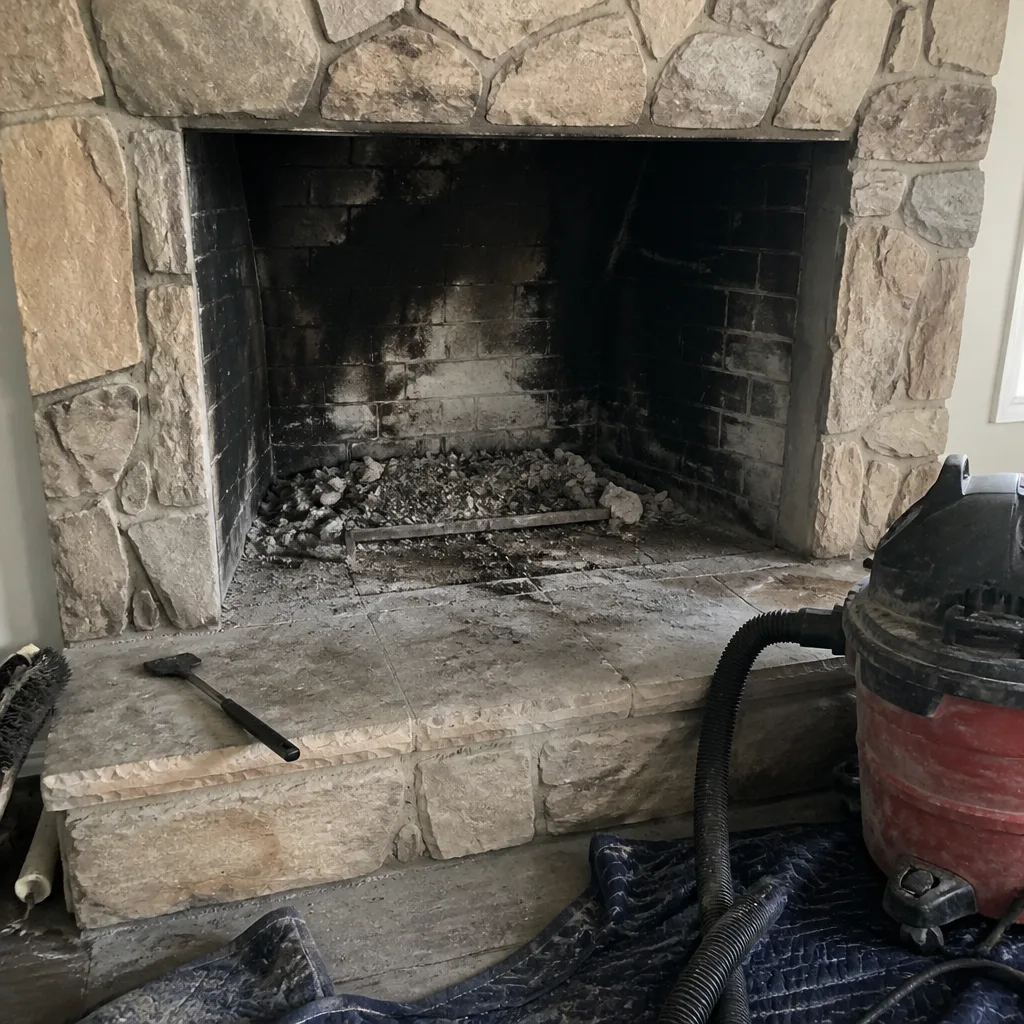
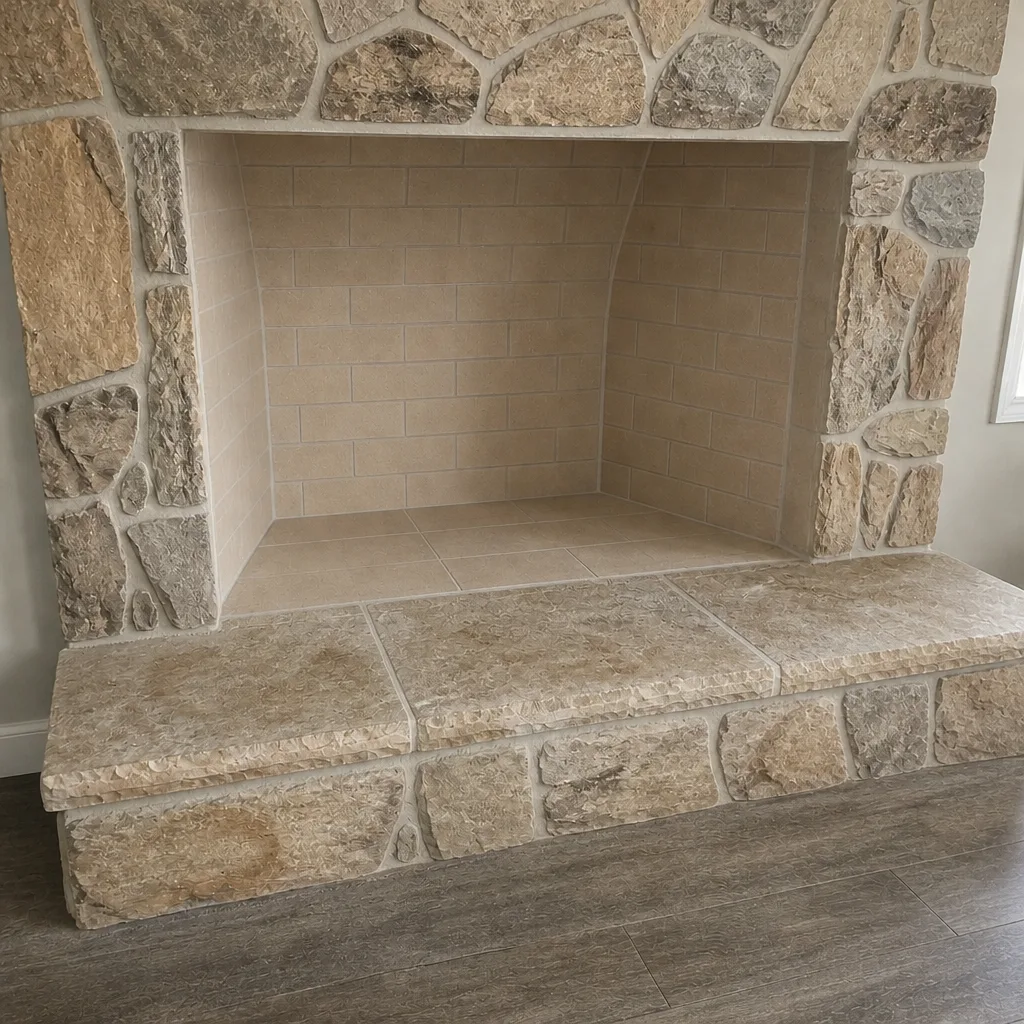
See the difference
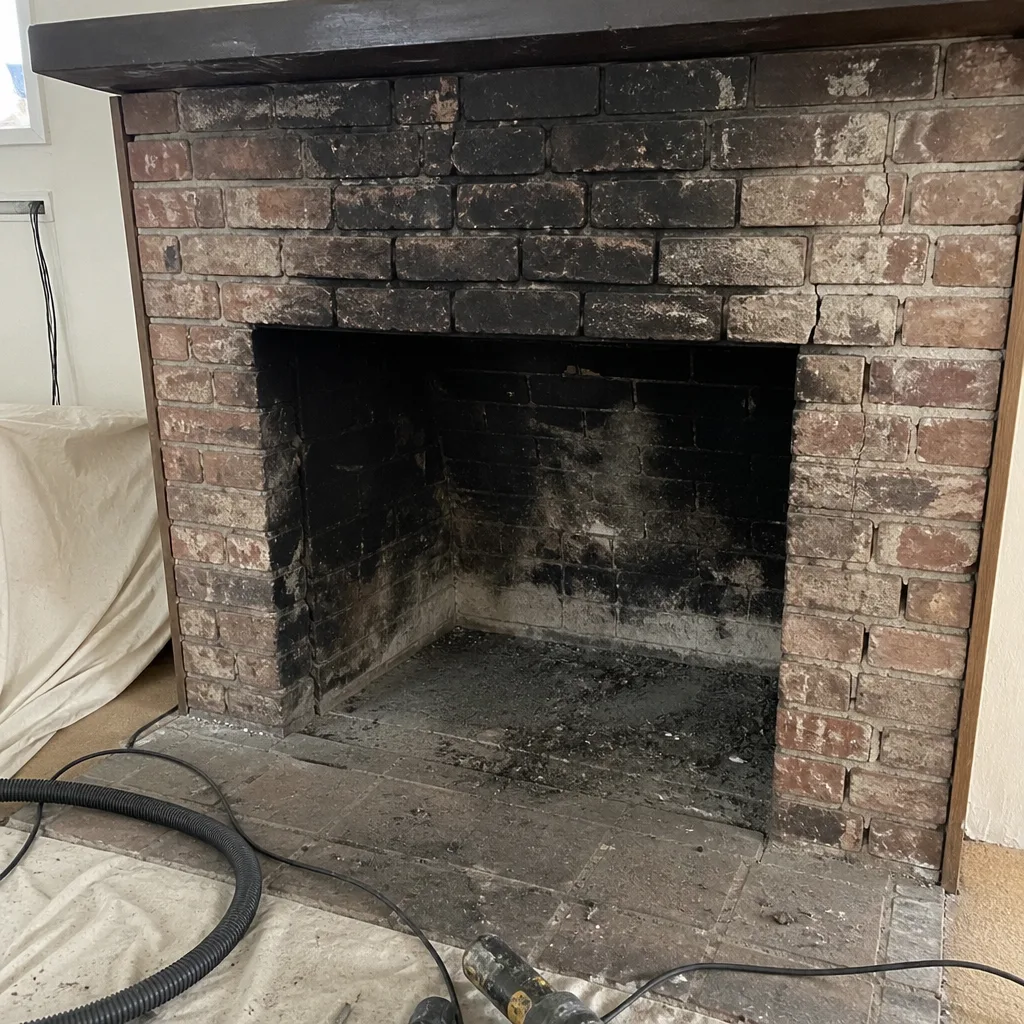 Before
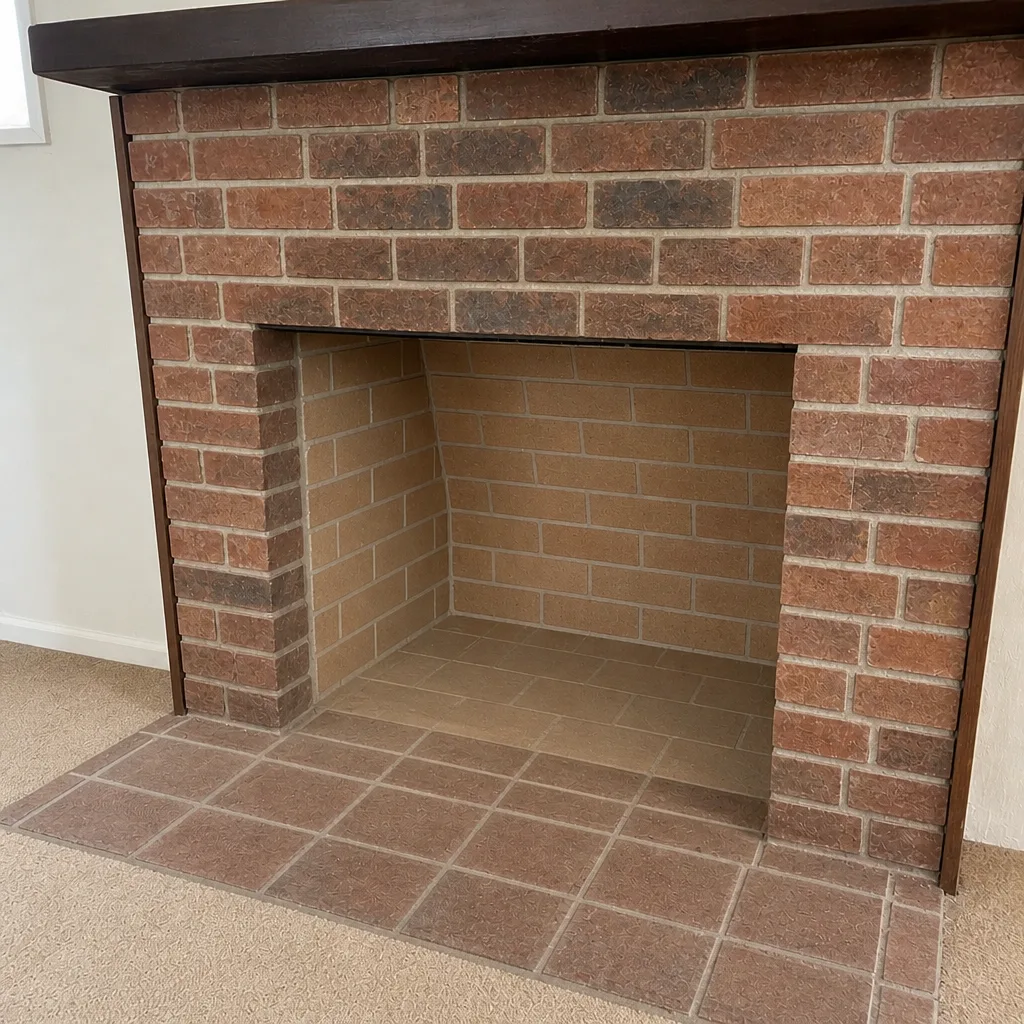 After
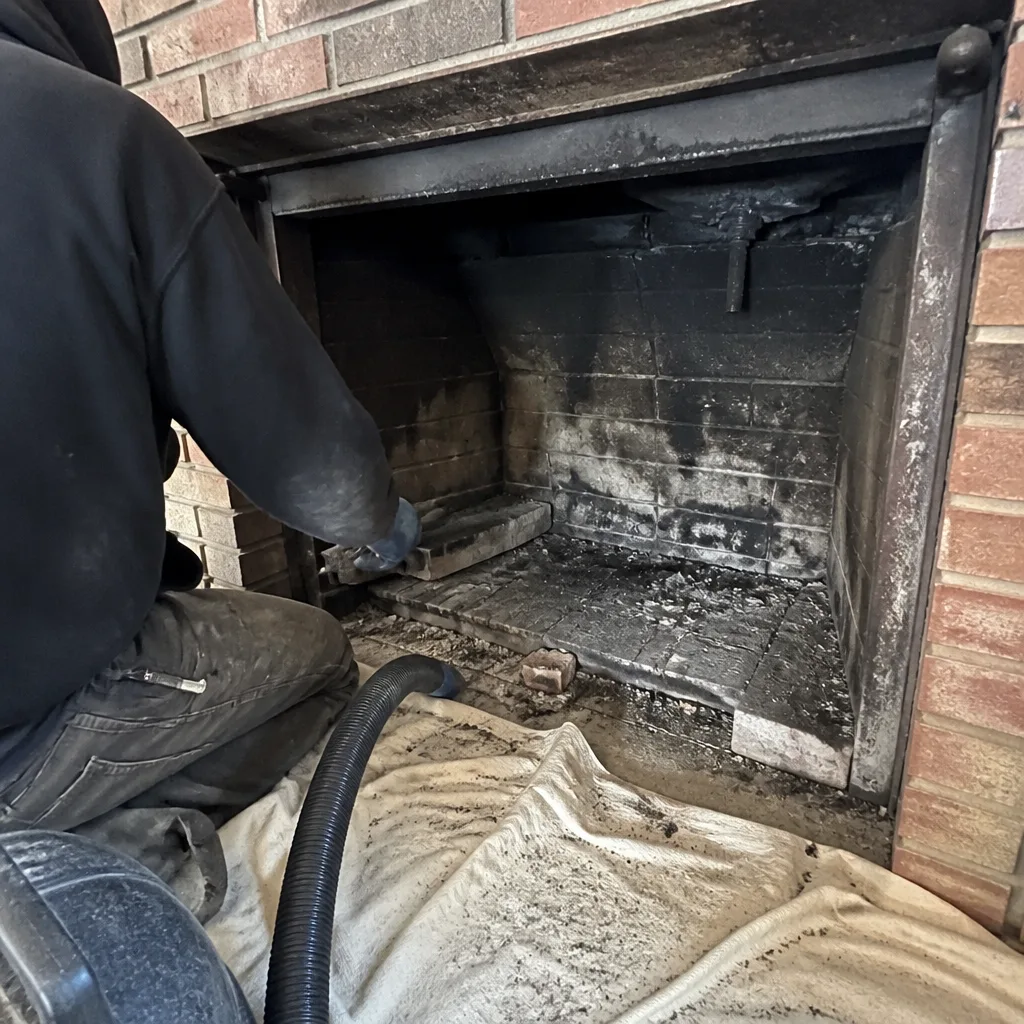 Before
 After
 Before
 After
When to Call a Professional
Some chimney work can safely wait; some can’t. Call a professional – and not a handyman – when you smell a strong creosote odor inside the house, when smoke spills into the room when you open the damper, when you see cracked or missing mortar on the chimney crown or exterior masonry, when the damper won’t open or close smoothly, or when you’ve never had the flue inspected and you’re planning to burn wood this winter. Also call if you’re buying a home in Renton and the inspection report flagged the chimney – a Level 2 inspection with a video scan is standard before a property sale. Any chimney fire, even a small one, warrants a professional inspection afterward.
For a full inspection that covers the flue, firebox, damper, and the exterior crown, we can look at the whole system in one visit. Our fireplace repair service handles everything from a sticking damper to a rebuild. Renton Chimney Sweep offers free estimates in Renton – call (844) 625-7416. We answer 24/7. Fast dispatch from 7am to 7pm, Sunday through Friday.
Frequently Asked Questions
A standard chimney sweep in the Renton area typically runs within a common range based on access, flue length, and whether the firebox needs extra attention; the price is set per job by the written estimate, and the estimate is free. Sweep and inspection are usually quoted as separate line items. Call (844) 625-7416 for an exact quote – estimates are free.
Not always. A cracked or deteriorated flue often can be restored with a resurfacing product like HeatShield rather than a full liner replacement, and that’s the less expensive, less invasive path we look at first. A full liner replacement is the right answer only when the flue geometry or the extent of damage rules out resurfacing – and you should be able to see the evidence on camera before agreeing. Call (844) 625-7416 to talk through your options.
Annually for most wood-burning fireplaces, and before every heating season if you burn regularly. Gas inserts still need an annual inspection even though creosote isn’t the primary concern; venting, corrosion, and the cap and crown all benefit from a yearly look. Call (844) 625-7416 to book a sweep before the season starts.
Creosote builds up on the flue walls, and at a certain stage – glazed creosote – it becomes fuel waiting for a spark, which is how most chimney fires start. Carbon monoxide risk also rises if the flue is partially blocked. Neither is a rare outcome; both are why annual sweeping exists. Call (844) 625-7416 to get on the schedule.
It’s riskier. CSIA certification confirms the technician has passed the standard exam and agrees to continuing education. Washington doesn’t require it by law, which is why we flag it as your single best filter for individual competence – verify it, ask which technician holds it, and confirm they’ll be at your house. Call (844) 625-7416 and ask us about our certified technicians directly.
A sweep cleans the flue; a contractor diagnoses, cleans, and repairs the whole system. Most chimney problems – cracked crowns, failing liners, damaged dampers, structural repair – require the second. If your sweep-only provider refers you elsewhere for anything beyond cleaning, that’s the moment to look for a full-system contractor, not a generalist handyman. Call (844) 625-7416 to talk through what your chimney needs.
The Bottom Line
Hiring a chimney contractor in Renton comes down to verification, not reputation. Confirm CSIA or NFI certification and know which technician holds it. Pull the L&I contractor registration and confirm it’s active. Get insurance certificates and call the agent. Ask the five questions that separate a full-system specialist from a sweep-only operation. Read the estimate line by line, insist on photo evidence before any repair, and get a second opinion on anything major. None of that takes more than an hour, and all of it is what stands between you and a hire you’ll regret. When you’re ready to book a sweep or an inspection from a company equipped to handle the whole chimney – firebox to crown – call (844) 625-7416. We answer 24/7. Fast dispatch from 7am to 7pm, Sunday through Friday. Estimates are free, and the written estimate sets the final price.
Written by the team at Renton Chimney Sweep.