
Last updated November 23, 2026
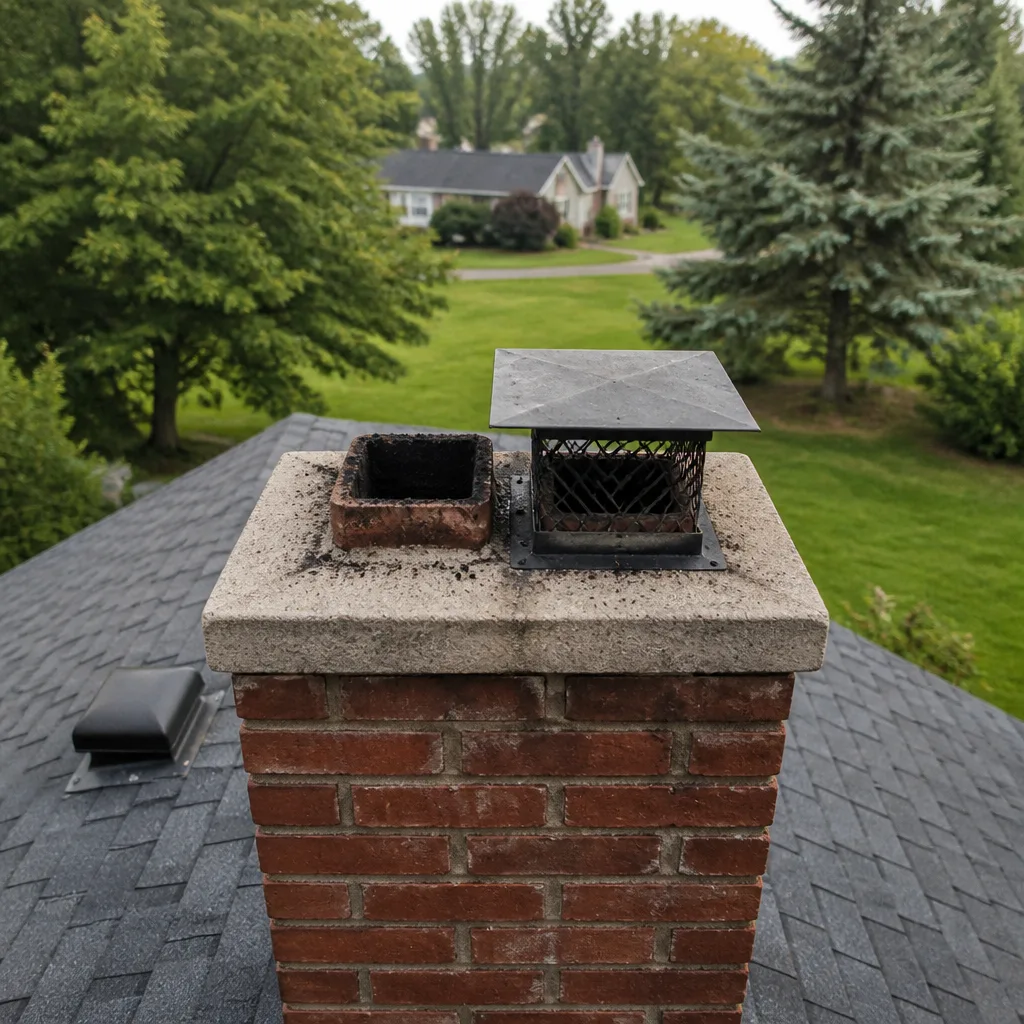 Sweep & inspection
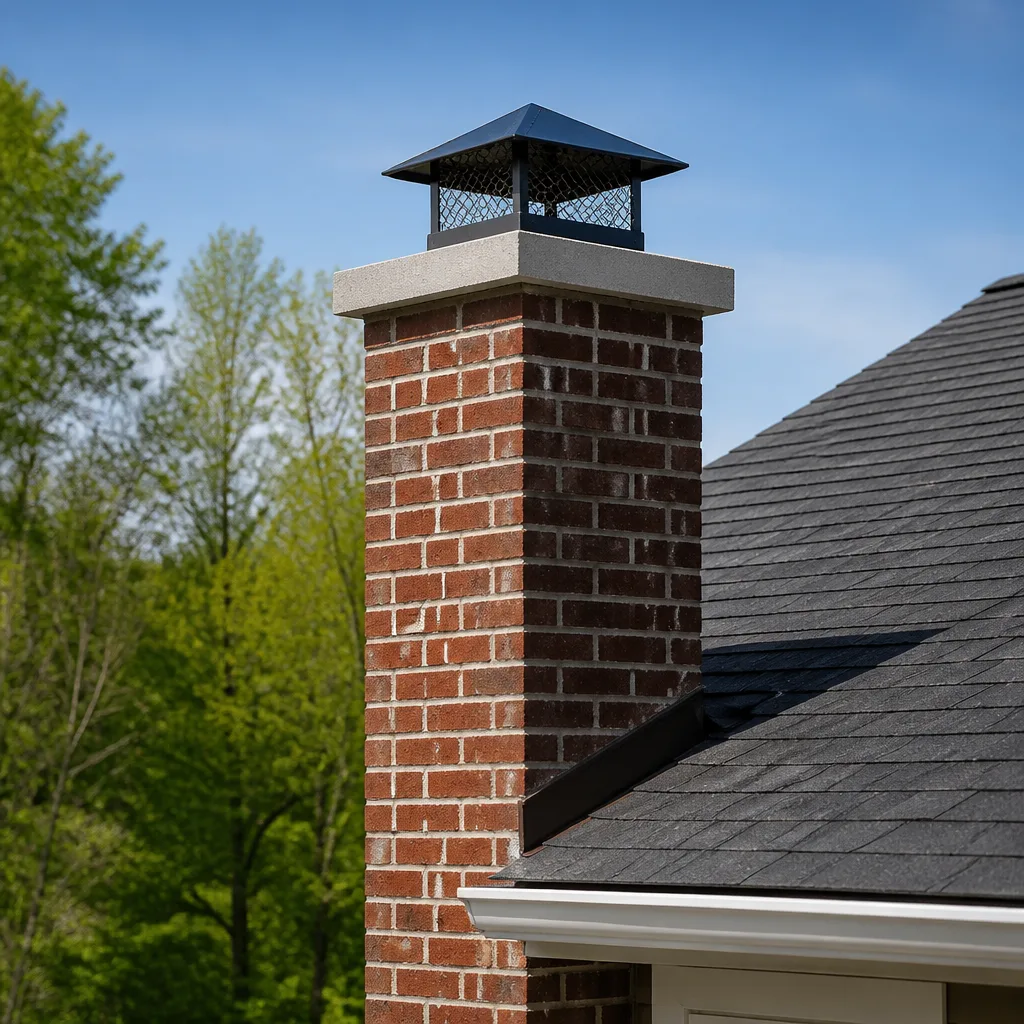 Caps & crowns
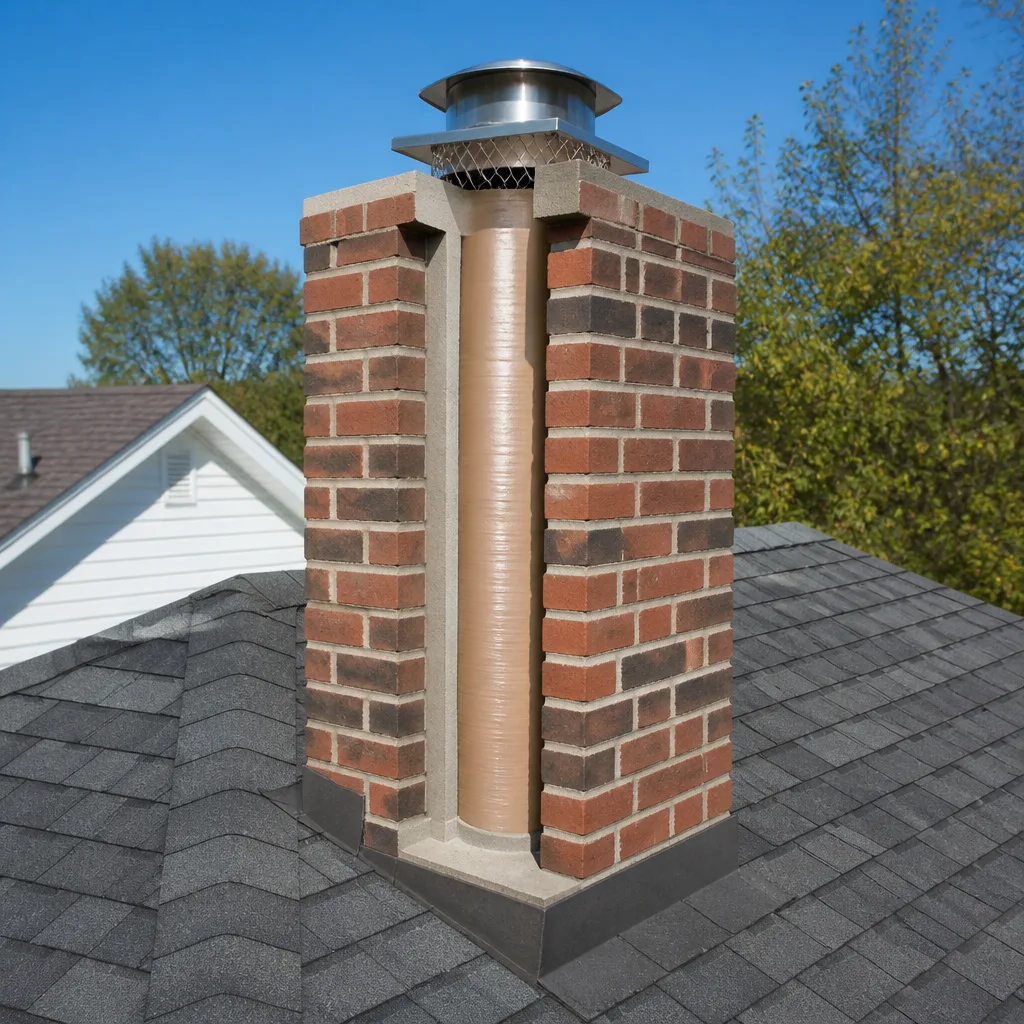 Flue relining
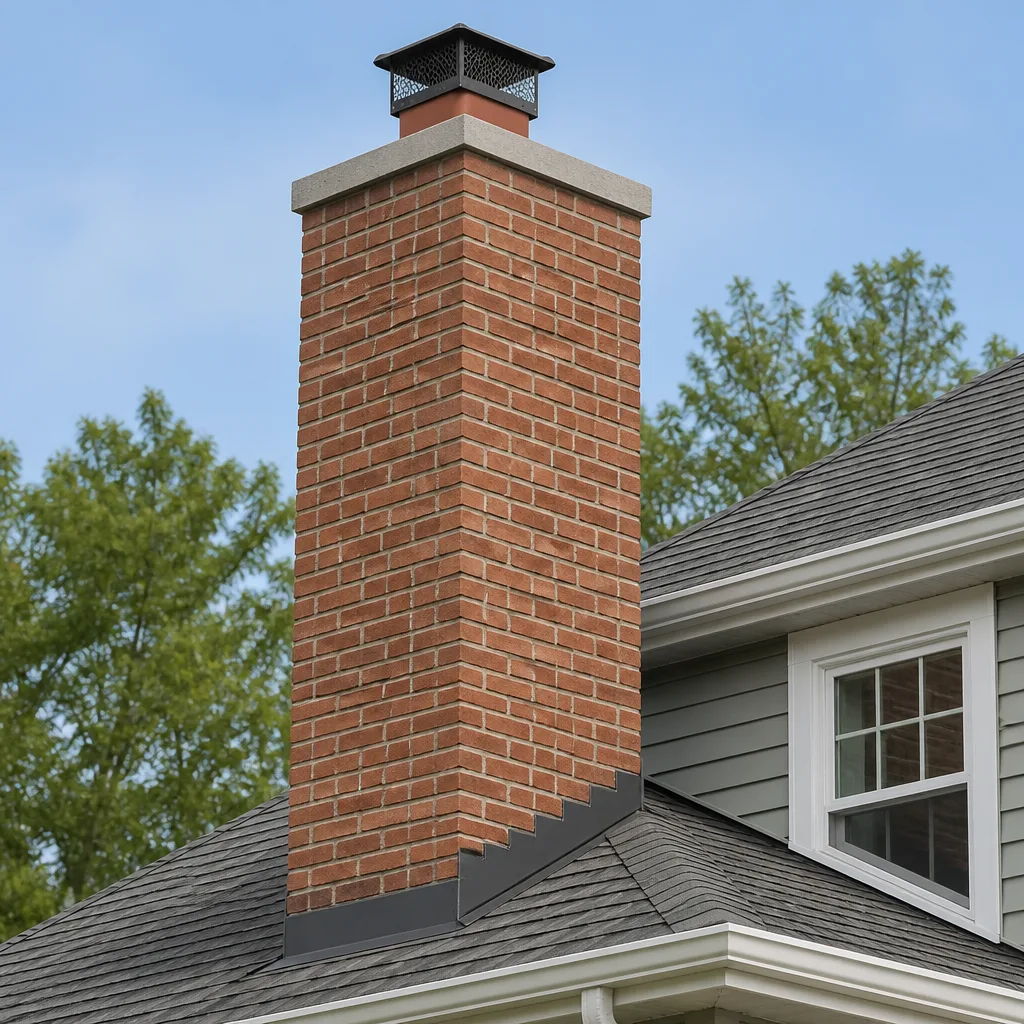 Masonry repair
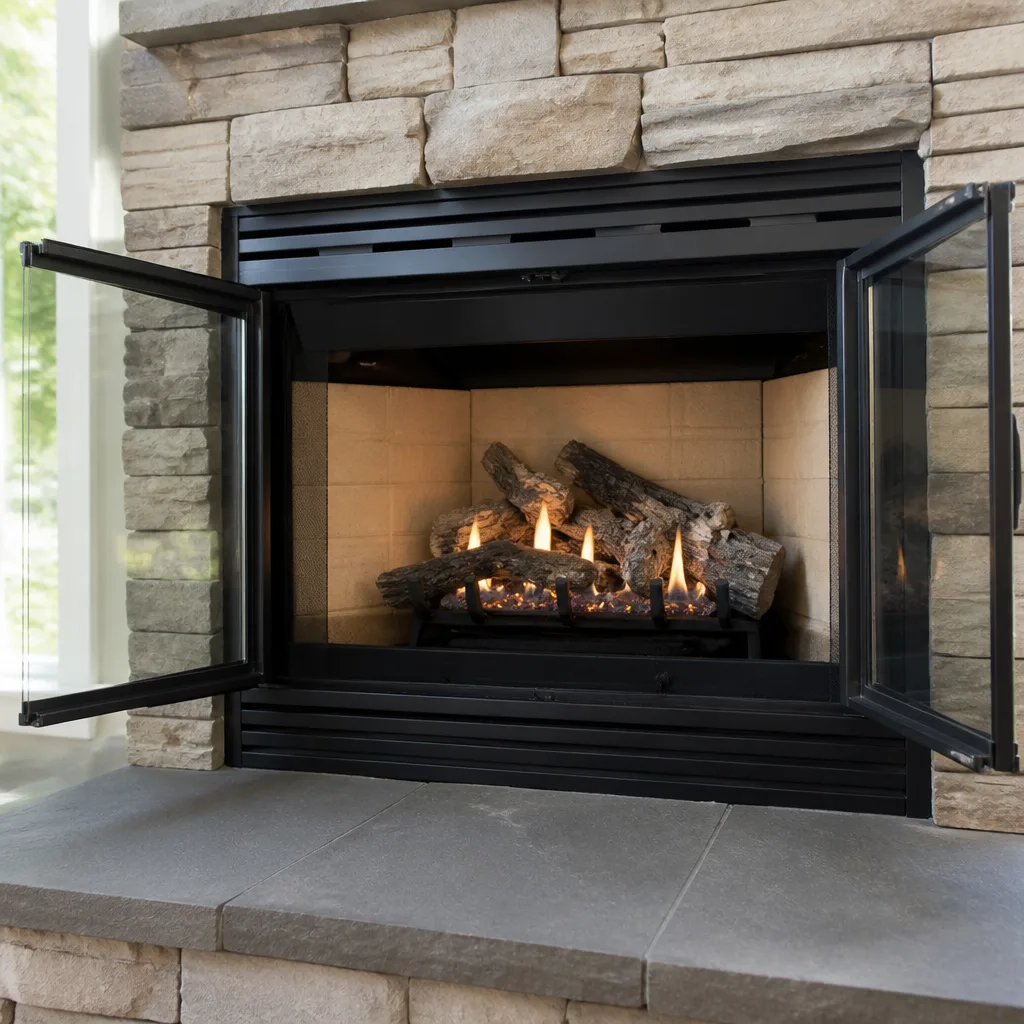 Gas fireplace service
Level 1 sweep and inspection to the NFPA 211 annual standard - flue, crown, cap, and flashing checked and photographed
Chimney sweep logs do not sweep chimneys. They loosen some creosote - which then falls where a brush and vacuum still have to collect it.
DIY vs Professional Chimney Cleaning: The Renton Homeowner’s Decision Guide
A chimney brush and a Shop-Vac will pull loose soot out of a flue. What they won’t do is tell you whether the tile liner behind that soot has a crack that could let fire reach the wood framing of your house. That gap – between what a homeowner can reach and what actually determines whether a chimney is safe – is the whole conversation. In Renton, where plenty of homes burn wood through a wet Puget Sound winter, the stakes are worth understanding before you buy a brush. This guide covers what DIY cleaning genuinely accomplishes, what it physically cannot, and how to decide which path fits your chimney.
Styles & brands we work with
- Sweep & inspection
- Caps & crowns
- Flue relining
- Masonry repair
- Gas fireplace service
Quick Answer
DIY chimney cleaning is reasonable only when your flue has light, first-degree creosote and nothing else is wrong with the system – and you have no way to confirm “nothing else is wrong” without an inspection. Professional cleaning matters because it includes video inspection of the smoke chamber, damper, and liner, plus rotary cleaning and creosote treatment that hand-brushing can’t match. For most Renton homeowners burning wood regularly, the honest answer is a professional sweep and inspection each year, with DIY soot brushing as a supplement at most.
Table of Contents
- What DIY Chimney Cleaning Can Legitimately Accomplish
- What DIY Physically Cannot Address
- The Equipment That Changes the Diagnostic Picture
- Safety Realities of DIY Chimney Work
- Understanding Creosote Stages in a Renton Climate
- A Five-Question Decision Framework
- Cost Comparison: DIY vs Professional in Renton
- Common Mistakes to Avoid
- When to Call a Professional
- Frequently Asked Questions
What DIY Chimney Cleaning Can Legitimately Accomplish
We’re not going to tell you that picking up a brush is reckless. It isn’t, in the right circumstances. A homeowner with a straight flue, a wood-burning fireplace, and a modest amount of soot can do real good with basic tools. Here’s what a careful DIY cleaning can actually achieve:
- Removal of loose soot from the accessible flue. A poly brush on a rod set, worked from the roof or from the firebox, knocks down the soft, fluffy soot that accumulates on the flue walls. This is genuine maintenance.
- Clearing light, first-degree creosote. Creosote that looks like a thin, dusty, flaky coating and brushes off easily is first-degree. It’s the only stage most homeowners can safely deal with themselves.
- Keeping a rarely used fireplace from accumulating debris. If your fireplace sees a handful of fires a season, a light annual brushing keeps things tidy between professional visits.
- Sweeping the smoke shelf and firebox floor. Ash and soot that falls onto the smoke shelf below the damper can be reached and cleared with hand tools from inside the firebox.
Notice what’s on this list: the surfaces. DIY cleaning is a surface job. That’s not a knock – it’s simply the physical reality of what a brush on a rod can reach. The moment a chimney has anything more than a light soot layer, or the moment you can’t see what’s above the damper, the work has moved outside what a homeowner can honestly assess. In our experience, that line arrives faster in a Renton home than most people expect, because our wet winters and long burn season give creosote plenty of time to build.
The other caveat: a DIY job can genuinely make a chimney cleaner while doing nothing about safety. Clean is not the same as safe. Soot removal is cosmetic if the liner behind it is compromised, and you’d never know without a camera. That distinction is the spine of this entire guide.
What DIY Physically Cannot Address
This is the section most DIY tutorials skip, and it’s the one that matters most. A chimney is a system, not a tube. The parts that most often cause fires or carbon monoxide problems are precisely the parts a homeowner can’t see or reach. Here’s what a brush and a vacuum leave untouched:
- Smoke chamber condition. The smoke chamber is the sloped space above the damper and below the flue, and it’s a notorious place for soot to collect and for cracks to hide. It’s also nearly impossible to inspect from below without a camera. Smoothed and sealed smoke chambers are a professional repair item, not a DIY one.
- Damper operation. A damper that doesn’t open fully, or doesn’t seal when closed, affects both fire performance and how much heat escapes your Renton home when the fireplace is idle. Testing it properly means looking at the linkage and the frame, which requires being in the firebox with the right light.
- Liner integrity. This is the big one. The clay tile or metal liner is what stands between the fire and your framing. Cracks, spalling, and gaps at the joints are invisible from below and easy to miss from the roof. A video inspection is the only honest way to know.
- Crown and cap status. The crown – the sloped concrete top of the chimney – and the cap over the flue are the leading sources of water infiltration. A cracked crown lets water into the structure every time it rains, and Renton gets a lot of rain. A sweeping job that ignores the crown isn’t a complete job.
- Stage 2 and Stage 3 creosote. These are the glazed, tar-like, or hardened deposits that brush alone won’t remove. Stage 3 creosote is genuinely a fire hazard and requires chemical treatment or rotary cleaning equipment – neither of which is a homeowner project.
- Carbon monoxide risk areas. A blocked or damaged flue can push exhaust back into the home. You can’t test for that with a flashlight and a broom.
If you take one thing from this guide, take this: a clean flue is not evidence of a safe chimney. Only an inspection that examines the liner, smoke chamber, crown, and cap confirms that. We’ve seen chimneys that brushed out spotless and still had a cracked liner hiding behind the soot line.
The Equipment That Changes the Diagnostic Picture
Here’s where the “DIY vs professional” conversation stops being about effort and starts being about tools. The diagnostic difference isn’t a matter of trying harder – it’s equipment a homeowner simply doesn’t own. A professional chimney sweep in the Renton area arrives with gear that changes what’s knowable about your system.
- Rotary cleaning systems. A rotary brush or whip head driven by a drill or dedicated motor spins against the flue walls, following the shape of the liner and reaching deposits a hand-pushed brush can’t. This is the tool that handles glazed Stage 2 creosote and uneven build-up.
- Video inspection cameras. A camera on a flexible rod shows the liner from the inside – every crack, every spalled tile, every offset joint. As a full-system chimney specialist, this is the single most valuable diagnostic step we bring, and it’s what lets us tell a homeowner what’s actually wrong rather than what’s easy to sell.
- Creosote chemical treatments. For stubborn deposits, professional-grade chemical treatments break down glazed creosote so it can be safely removed. The products and the application method are not homeowner items.
- Containment and vacuum systems. A professional HEPA vacuum and containment setup keep soot out of your living space. A Shop-Vac does its best, but a real containment system is the difference between a tidy fireplace and a fine dusting of carbon across the room.
- Inspection-grade lighting and access tools. Remote cameras, mirrors, and proper access equipment let a technician see all four sides of the flue. The flashlight-on-your-phone approach shows you maybe one.
That equipment is also what lets us repair a fireplace when the inspection turns up a problem, not just report on it. A sweep-only service refers that work out. A generalist handyman often shouldn’t be doing it at all. Single-company accountability from inspection through final repair is one of the reasons we built the service around the whole system rather than just the cleaning pass.
Safety Realities of DIY Chimney Work
The safety conversation around DIY chimney cleaning usually focuses on creosote fire risk. That’s real, but it’s only part of the picture. The dangers of doing the work yourself are just as worth weighing, and they don’t get nearly enough attention in the tutorials.
- Roof access is the most underrated risk. Climbing onto a roof in western Washington, in winter, with the roof wet from a recent rain – that’s a fall hazard on par with the chimney itself. Pitch, roof material, and weather all factor in, and none of them are forgiving.
- Creosote exposure. Creosote is a known irritant, and it doesn’t stay neatly in the flue. Brushing sends fine particulates into the air. Without proper respiratory protection and containment, you breathe them and so does your family.
- Containment matters more than most tutorials admit. Soot finds every gap. A sealing sheet, taping off the firebox, and a proper vacuum are the difference between a clean-up that takes an hour and a dusting that takes a weekend.
- Roof-mouth burns and ladder incidents are the two most common DIY injuries. A brush head can come loose and strike a face, and a ladder on uneven ground is unforgiving.
We’re not trying to scare anyone off a brush. But if your chimney requires roof access and you’ve never done it, that’s worth a hard, honest look. The risk profile is different when you’re on the firebox side of the flue than when you’re on the roof side, and countless DIY tutorials gloss over that difference.
Understanding Creosote Stages in a Renton Climate
Creosote is the residue of incomplete combustion, and it builds differently depending on how and how often you burn. In Renton, the long heating season matters. Our wet, cool months mean many homes burn consistently from fall into spring, and consistent burning with limited draft gives creosote more time to accumulate. Understanding the three stages is the fastest way to know whether DIY cleaning is even in play:
- First-degree: flaky, dusty, brushes off easily. This is the stage most homeowners can handle themselves. A brush and a vacuum clear it, and it’s not a serious fire risk on its own.
- Second-degree: crunchy, crusty, or papery, harder to remove. Brush alone won’t reliably get this off. Rotary cleaning or chemical treatment is required, and this is where the DIY line is firmly crossed.
- Third-degree: glazed, hardened, tar-like. This is the fire-hazard stage. It requires professional chemical treatment and careful removal, and it’s not a homeowner job by any stretch.
Two things drive creosote up quickly: burning green or unseasoned wood, and restricted airflow. In a Renton home with a firebox that’s been closed up with a poorly seated damper or a flue that’s partially blocked with soot, the creosote can glaze faster than the homeowner realizes. Our damp winters also mean more annual depositing than in a dry, mild climate. If you’re going through a cord or more per season, plan for professional attention rather than a brush-only approach.
A Five-Question Decision Framework
Here’s the framework we’d want a neighbor to use. It’s not a judgment about your abilities – it’s a scope-of-work reality check. If you answer yes to any of these five, DIY is the wrong call, not because you can’t handle a brush, but because the work involves a component a brush can’t reach.
- Do you burn more than a fireplace’s worth of wood in a season? A regular burn habit builds creosote faster, and the odds that some of it is second or third degree go up alongside. If you burn wood as real heat and not decoration, the volume of work usually belongs with a professional.
- Has it been more than a year since the chimney was inspected? A professional inspection is the only way to confirm the liner, smoke chamber, and crown condition. Without one, you don’t actually know that DIY is appropriate – you’re guessing.
- Are you going on the roof? Roof access carries fall risk that has nothing to do with how careful you are. Wet Pacific Northwest winters on a pitched roof are not forgiving.
- Have you been told repairs are needed by another provider? Here’s the honest second-opinion case: a qualified specialist with a camera can tell you what’s actually wrong, and whether the recommended work can safely wait. We’d rather a homeowner get a clear answer than a big quote they can’t verify.
- Is your flue blocked, restricted, or glazed? A blocked or restricted flue is a carbon monoxide risk and a fire risk. Glazed creosote is a fire risk. Neither is a brush-and-hope situation.
The good news is that a “no” across all five is possible. If you have a light-burning fireplace, a recently inspected liner, and clear flue access without roof risk, DIY soot removal can be a reasonable supplement between professional visits. That’s the corner where a brush is your friend. Outside it, you’re guessing at safety.
Cost Comparison: DIY vs Professional in Renton
This is where we’d offer a free estimate rather than a menu of prices. We don’t publish a price list because the right price depends on the flue, the creosote stage, and whether any repair work is in play. We can, though, give you a straight comparison of what you’re actually paying for in each column, because the difference is diagnostic, not just manual labor.
- DIY cleaning costs you an afternoon, a brush and rod set, a Shop-Vac, and the risk of missing the parts of the system that matter. It addresses soot and first-degree creosote. It doesn’t include any inspection of the liner, smoke chamber, crown, or cap.
- Professional cleaning includes the sweep itself, a video inspection of the liner and smoke chamber, a check on the damper and crown, and a clear report of what was found. Any repair is quoted separately and only after you’ve seen the camera evidence.
- HeatShield resurfacing is worth knowing about because it can restore a damaged flue coating without a full liner tear-out – often a meaningfully lower cost than replacement. That’s a repair decision that only comes up because a professional inspection found a problem.
- Cap and crown work is the leading fix for water infiltration, and we handle it as part of the same service. A professional chimney cap & crown job is not a DIY project and not something a sweep-only business typically does.
The real cost story is often the money a homeowner avoids by finding a small problem before it becomes a liner replacement. A camera inspection that catches a spalled tile or a cracked crown early is worth more than a year of DIY brushing. Call (844) 625-7416 for a free estimate – the written estimate sets the final price, per job.
Common Mistakes to Avoid
- Treating a clean flue as a safe chimney. Soot removal is not inspection. A spotless flue with a cracked liner is still a fire risk, and this is the most common false sense of security we see in Renton.
- Judging creosote by what’s visible in the firebox. The glazed deposits that matter are higher up the flue, where a flashlight won’t reach. What you can see from the hearth tells you very little about what’s above the damper.
- Skipping the crown and cap because they’re “up there”. Our region’s rain finds every cracked crown. Deferring the cap and crown is how water starts getting into the framing behind a chimney.
- Burning green wood through a wet Renton winter. Unseasoned wood accelerates creosote build-up and pushes you from first-degree into second and third faster than dry wood would.
- Taking a big repair quote at face value. A quote you can’t verify is worth a second look. Ask to see the camera images and get a plain-language answer on what can safely wait.
- Assuming a handyman is a chimney specialist. Chimney work spans masonry, liner systems, and moisture control. A generalist who hasn’t worked with liner materials and cap assemblies is a risky person to trust with the job.
- Rodding a flue without checking the liner condition first. Pushing a stiff brush against a spalled or cracked tile can make a small problem worse. Inspection should come before aggressive cleaning.
When to Call a Professional
Call a professional when any of the following is true: you burn wood regularly through the season; you haven’t had the chimney inspected in over a year; you can’t see the full flue; you’ve been told repairs are needed by another provider and want a qualified second opinion; or your crown and cap have visible wear or cracking. Those are situations where the work genuinely moves out of DIY territory. If a professional inspection turns up a problem, the specialist you want works the whole system – not just the cleaning pass. That includes liner work, and it includes knowing when HeatShield resurfacing or a DuraFlex flexible liner is the right call versus a full replacement. Renton Chimney Sweep offers free estimates in Renton – call (844) 625-7416. We answer 24/7. Fast dispatch from 7am to 7pm, Sunday through Friday.
Frequently Asked Questions
You can clean your own chimney if the flue is straight, accessible, and has only light first-degree creosote – and if you’ve had an inspection confirming nothing else is wrong. Without that inspection, DIY cleaning removes soot while leaving the liner, smoke chamber, and crown unverified. Call (844) 625-7416 for a free estimate if you’d rather have the whole system checked.
A professional sweep performs rotary cleaning, video inspection of the liner and smoke chamber, damper and crown checks, and chemical creosote treatment when needed – none of which is reachable from a homeowner’s brush. The result is a report on what’s actually wrong, not just a cleaner flue. Call (844) 625-7416 for an exact quote – estimates are free.
A chimney should be swept once a year for most wood-burning homes, and more often if you burn heavily through the season. In Renton’s long wet heating season, consistent burning puts an annual sweep and inspection at the low end of what’s sensible. Call (844) 625-7416 for a free estimate and we’ll help you set the right cadence.
Skipping cleaning leaves creosote to build to second and third degree, which raises the risk of a chimney fire and can restrict the flue enough to affect carbon monoxide venting. It also lets small crown and liner problems go unchecked until they turn into structural repairs. Call (844) 625-7416 for a free estimate before the season starts.
In many cases a damaged flue can be resurfaced rather than fully replaced. HeatShield liner resurfacing restores the interior surface without a full liner tear-out, and it’s often the lower-cost path when the problem is surface-level. We recommend nothing without camera evidence you can see for yourself. Call (844) 625-7416 for an exact quote – estimates are free.
Roof access in our wet winters is a real fall hazard, and it’s the most underrated safety concern in DIY chimney work. If the job requires going onto the roof, the risk profile changes regardless of how careful you are. Call (844) 625-7416 – we answer 24/7 and can set you up with a professional inspection.
The Bottom Line
DIY chimney cleaning is a legitimate tool for a narrow set of homes: light creosote, an accessible flue, a recently inspected liner, and no roof work. Outside those conditions, a brush removes soot while leaving the parts that actually cause fires and carbon monoxide problems unchecked. The right question isn’t “can I save money?” but “can I verify my chimney is safe?” If the answer is no, a professional inspection is what turns a guess into information. That’s the decision this guide is meant to support. From the firebox to the crown, the system is worth knowing fully.
If you’re in Renton and want a clear read on your chimney, we source and install professional-grade products from DuraFlex, Olympia Chimney, and Famco, and we handle the whole scope – sweeping, inspection, liner work, and cap and crown – under one roof. Call Renton Chimney Sweep at (844) 625-7416 for a free estimate. We answer 24/7. Fast dispatch from 7am to 7pm, Sunday through Friday.
Written by the team at Renton Chimney Sweep.
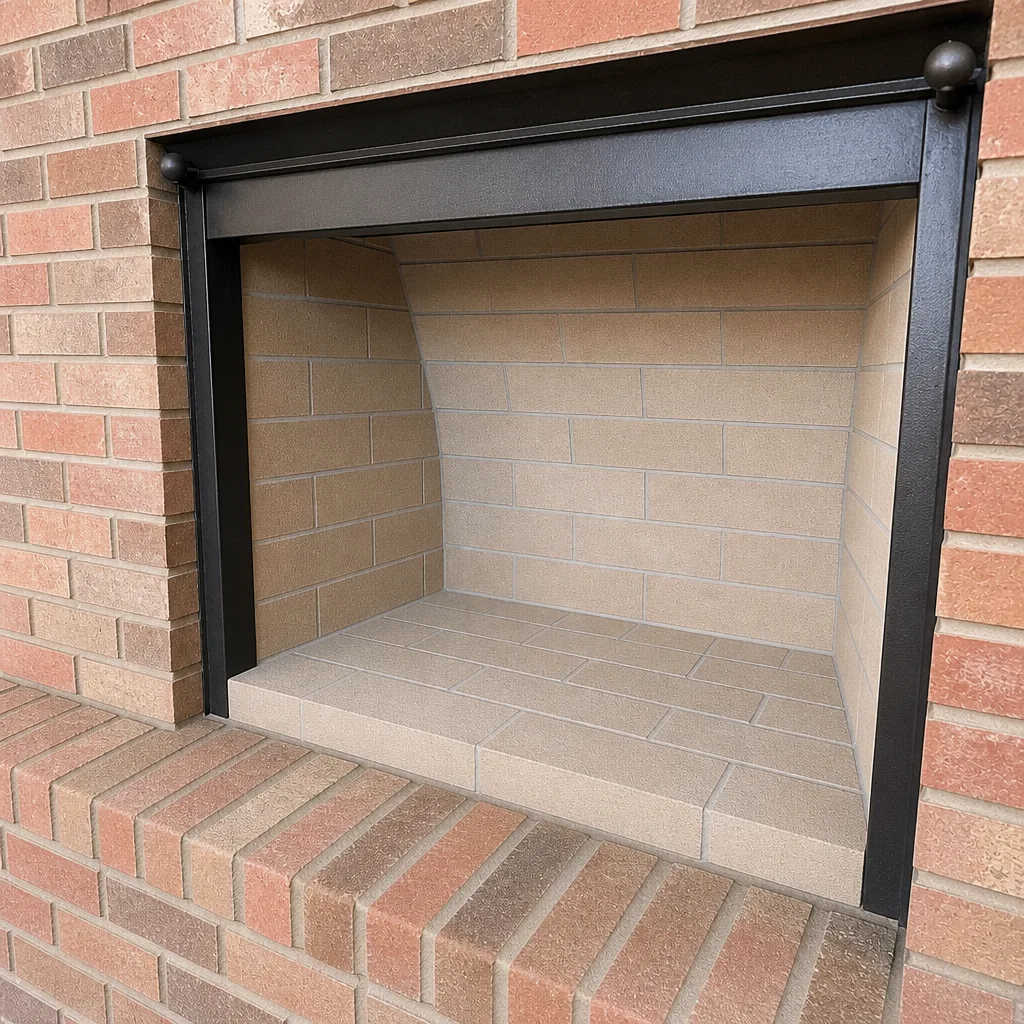
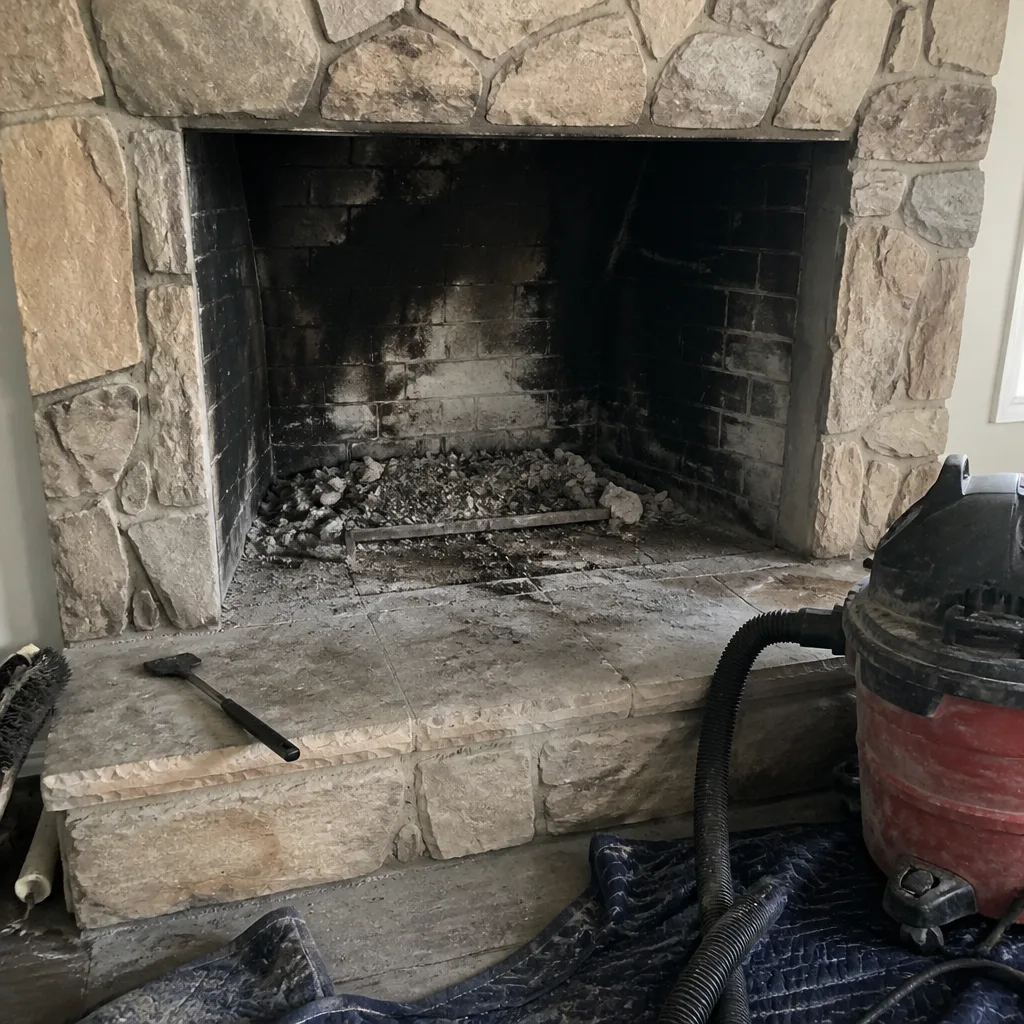
See the difference
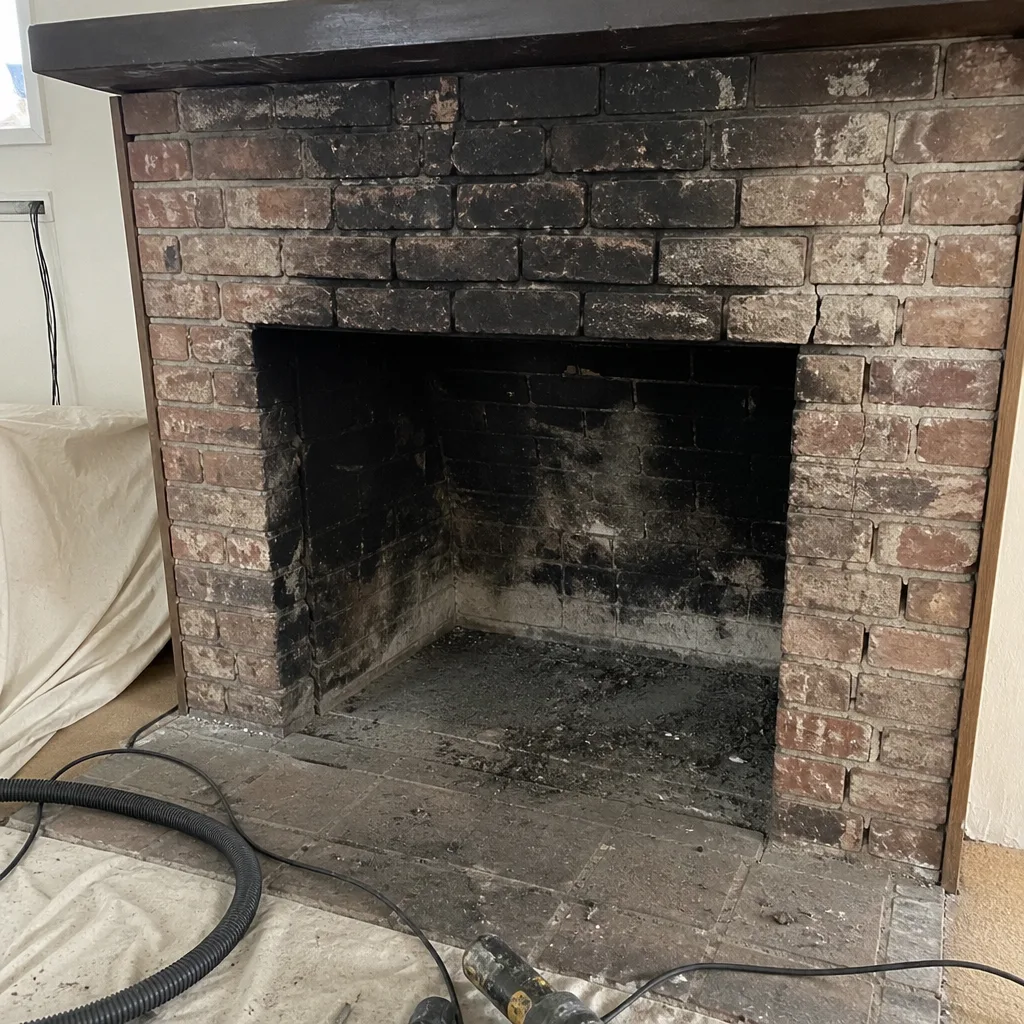 Before
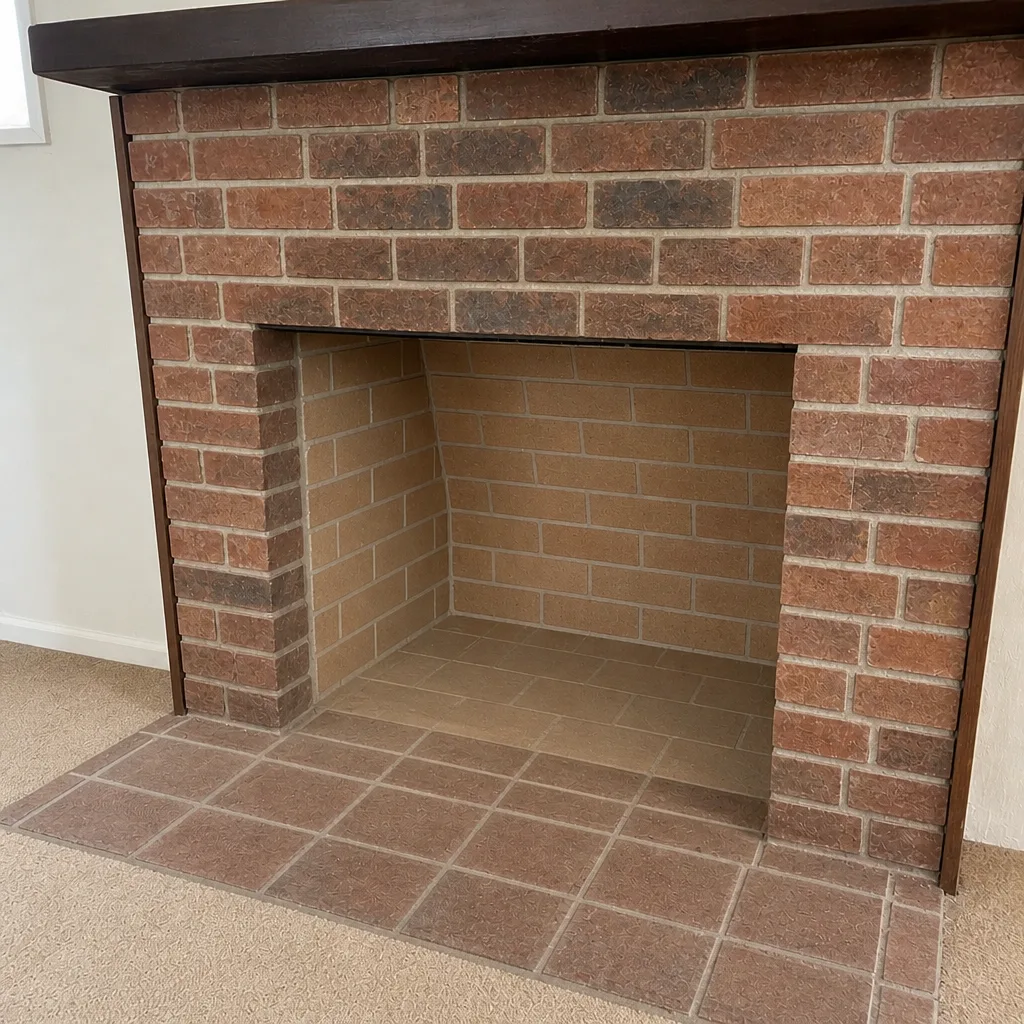 After
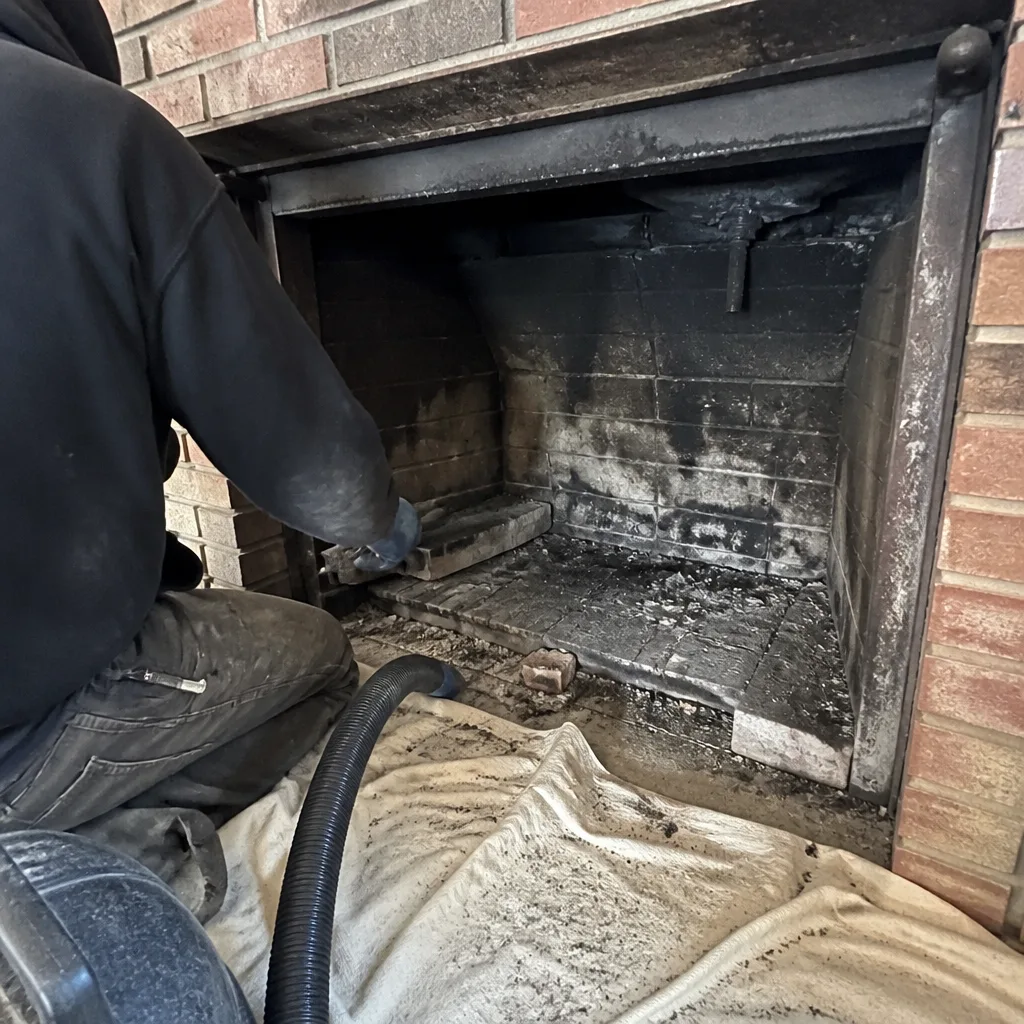 Before
 After
 Before
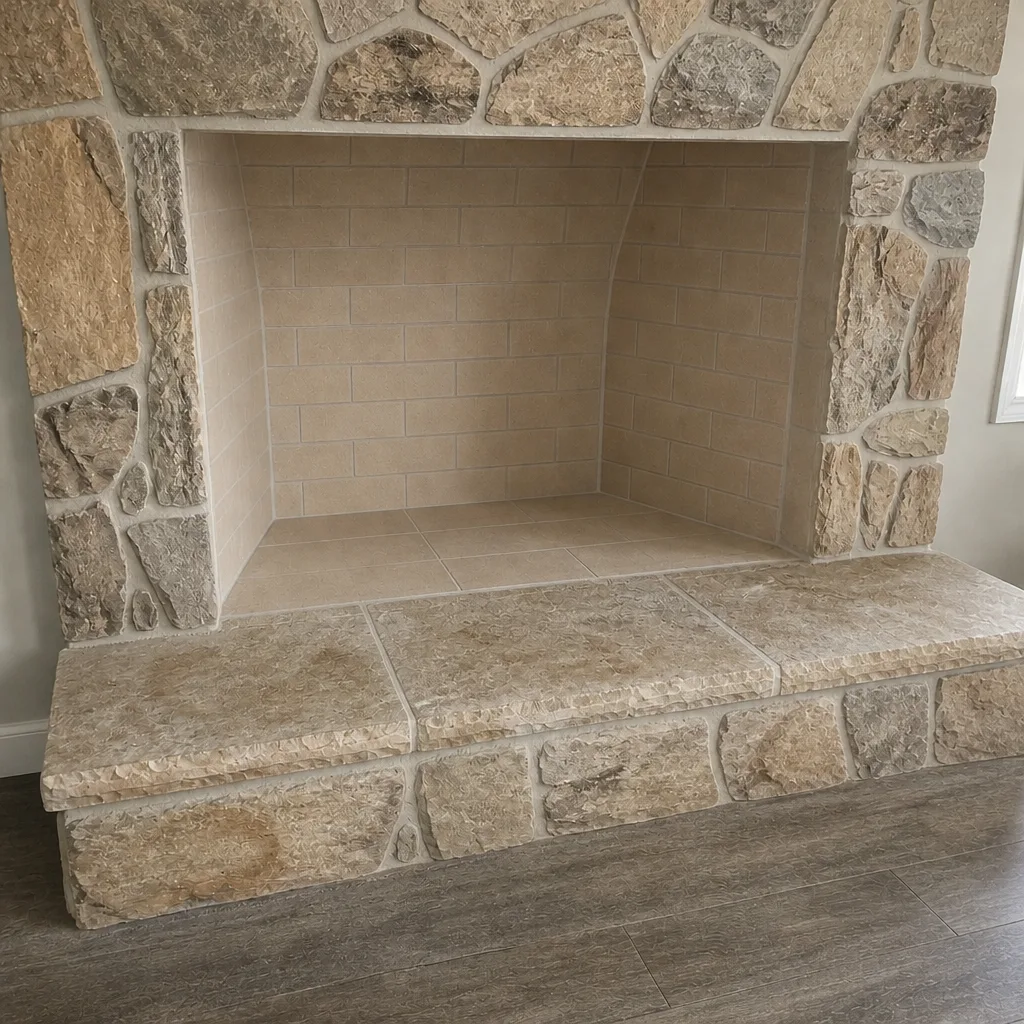 After