
Last updated November 23, 2026
 Sweep & inspection
 Caps & crowns
 Flue relining
 Masonry repair
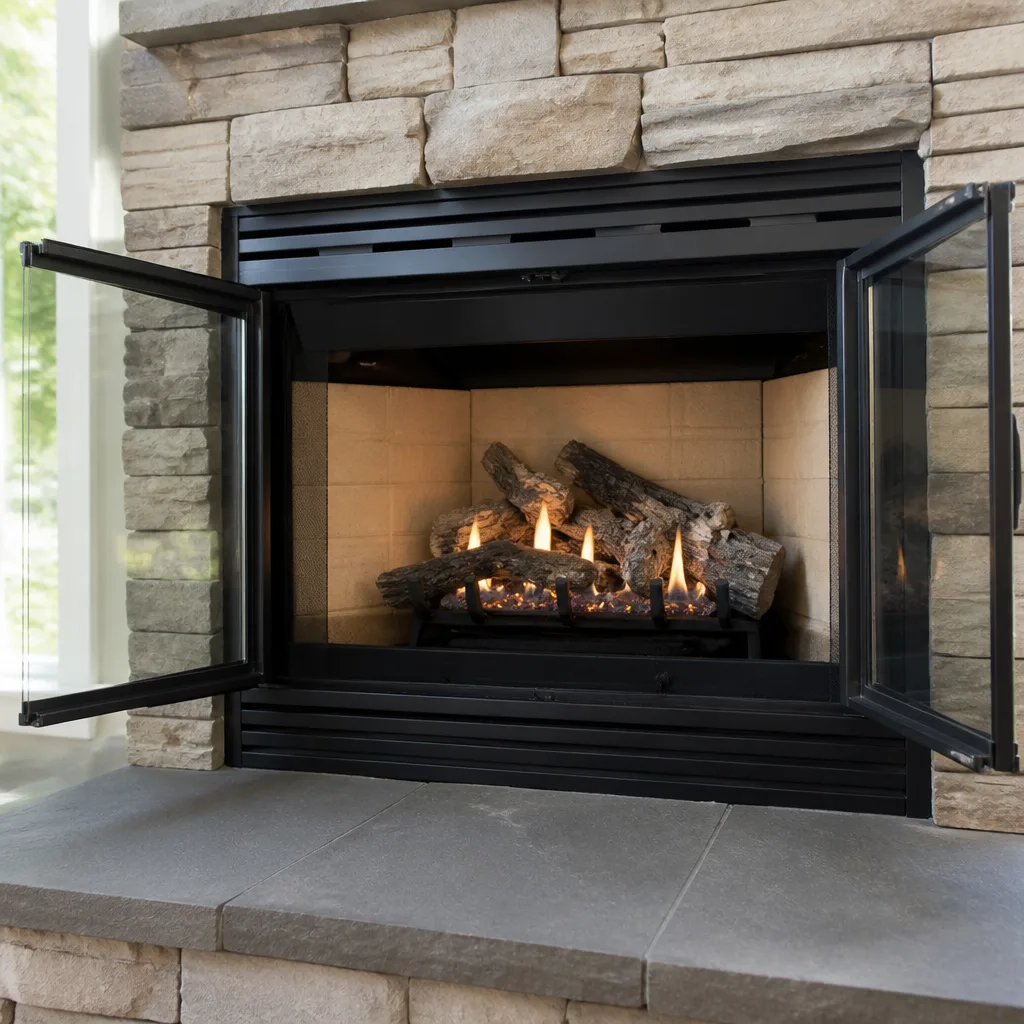 Gas fireplace service
Level 1 sweep and inspection to the NFPA 211 annual standard - flue, crown, cap, and flashing checked and photographed
Chimney sweep logs do not sweep chimneys. They loosen some creosote - which then falls where a brush and vacuum still have to collect it.
Chimney Cleaning Permits, Codes & Inspections in Renton, WA: What You Need to Know
A chimney cleaning needs no permit. A liner installation does. And a surprising number of Renton homeowners don’t find out their liner was installed without one until they’re sitting at a closing table, watching a buyer’s inspector write it up. The line between routine maintenance and regulated alteration is sharper than most people expect, and it moves the moment a contractor touches the flue, the firebox, or a gas appliance connection. This guide draws that line clearly for Renton homeowners: what needs a permit through the City of Renton, what Washington’s residential code says about chimney work, what a Level 2 inspection report actually does for you at resale or in an insurance claim, and how to spot work that skipped the process.
Quick Answer
In Renton, routine chimney sweeping and Level 1 inspections need no permit. Any work that alters the chimney structure or flue system does: liner replacement or relining, firebox or smoke chamber rebuilding, crown reconstruction, and changes to a gas appliance vent connection. That work falls under Washington’s adopted residential code and Renton’s local amendments, requires a permit from the City of Renton, and should be inspected before the chimney is closed up or put back in service. Unpermitted structural chimney work can complicate an insurance claim and surface as a problem during a King County home sale.
Styles & brands we work with
- Sweep & inspection
- Caps & crowns
- Flue relining
- Masonry repair
- Gas fireplace service
Table of Contents
- Where Does Maintenance End and Permitted Work Begin?
- What Do Washington’s Codes Require for Chimney Work?
- How Does Washington’s Energy Code Affect Inserts and Gas Appliances?
- What Does a Level 2 Inspection Report Actually Do For You?
- How Does the City of Renton Permit Process Work?
- Why Unpermitted Work Can Affect Your Insurance
- Why Renton’s Wet Winters Make This Matter More
- How to Tell If Previous Work Was Permitted
Where Does Maintenance End and Permitted Work Begin?
The dividing line is simple to state and easy to misjudge in practice. Maintenance keeps the chimney working the way it was built. Alteration changes what was built. A sweep removes creosote, soot, and debris from a flue that stays exactly as it is. A reline replaces the flue itself, and that is construction.
Here’s how the two sides break down for a typical Renton home:
No permit required:
- Chimney sweeping and creosote removal
- Level 1 visual inspection of an accessible chimney
- Chimney cap replacement where the cap mounts to an existing crown or flue tile
- Minor firebox brick or mortar touch-up that doesn’t alter the firebox dimensions
- Damper hardware replacement
Permit required:
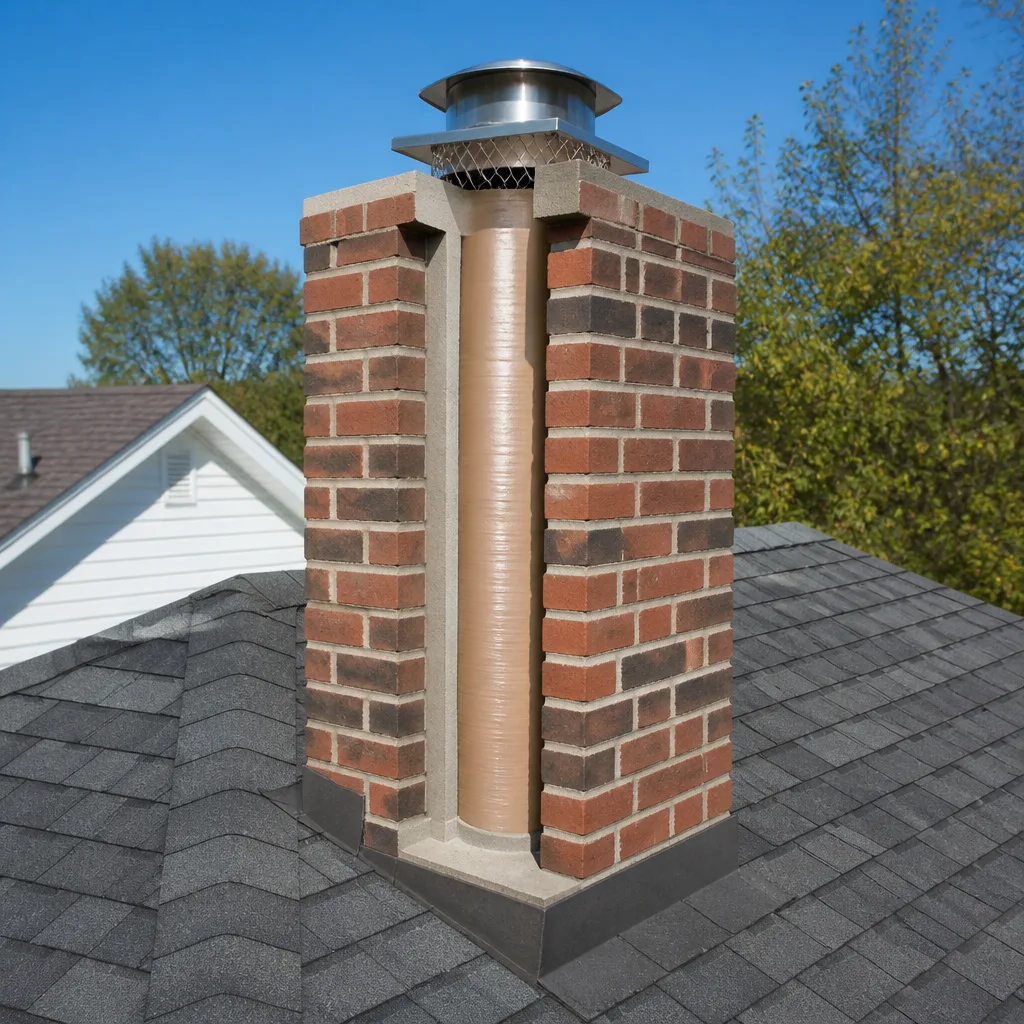
- Installation of a flexible or rigid liner, including a DuraFlex system
- HeatShield resurfacing of a damaged flue interior, since it changes the flue’s interior surface
- Firebox rebuilding or smoke chamber parging that changes clearances or dimensions
- Crown reconstruction, not simple crack sealing
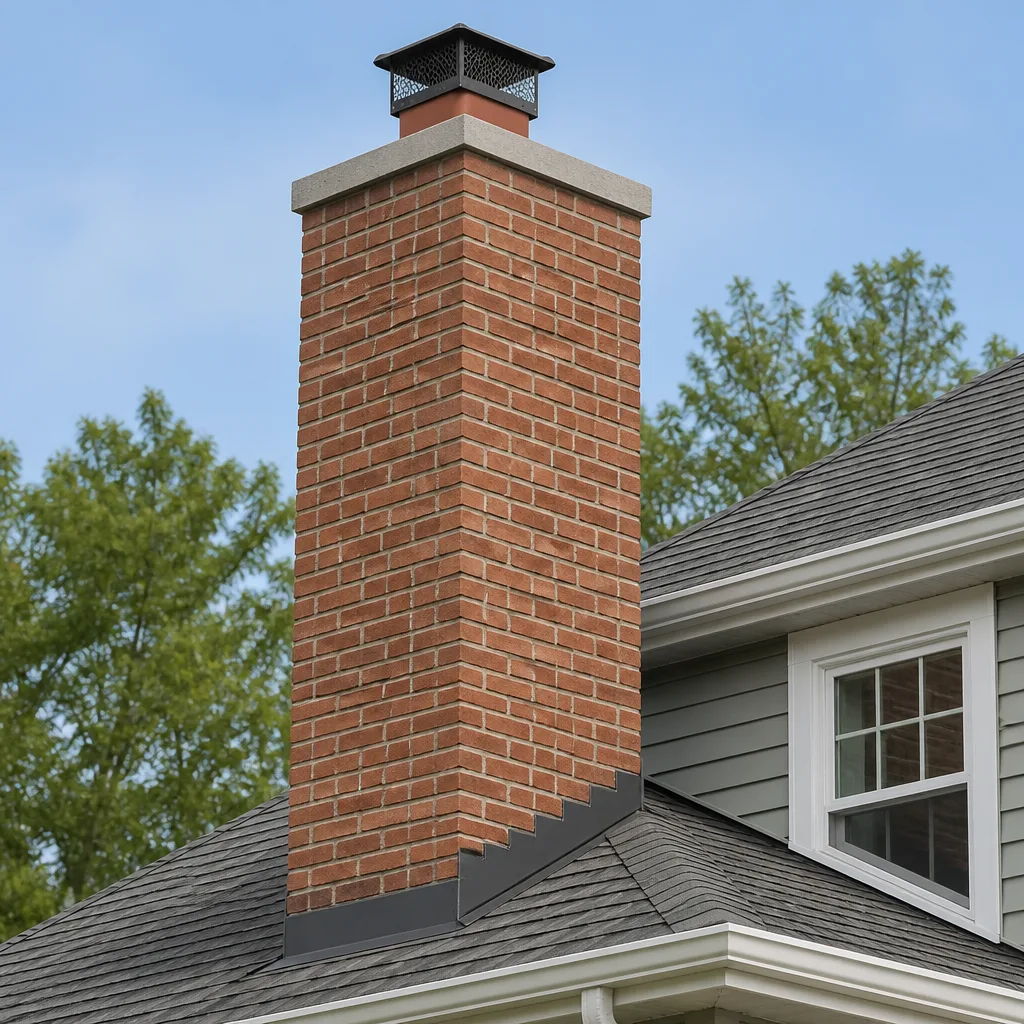
- Chimney chase reconstruction or partial rebuild
- New or modified gas appliance vent connections
- Fireplace insert installation, which affects venting and clearances
The gray zone is where trouble lives. A homeowner hears “we’ll parge the smoke chamber and seal the crown” and assumes it’s maintenance. In Renton, resurfacing the flue interior with a product like HeatShield or rebuilding a crown is structural work. That’s not a reason to avoid it. It’s a reason to make sure whoever does it pulls the permit, because a proper paper trail protects you later. Our position on this is blunt: restored flues are often the right call, and a properly permitted restoration beats an unpermitted replacement every time.
What Do Washington’s Codes Require for Chimney Work?
Washington builds its chimney rules on the International Residential Code, adopted statewide with amendments, and Renton layers its own local amendments on top. You don’t need to memorize chapter numbers to understand what the code cares about. It cares about four things: clearances, containment, materials, and inspection.
Clearances. A chimney must maintain specified distance from combustible framing, sheathing, and insulation. In older Renton housing stock, especially mid-century homes where a chimney was framed tight, this is where problems hide. A flue that’s been relined with a smaller-diameter liner can leave a gap where clearances no longer meet code.
Containment. The flue has to contain combustion products all the way to the top. Cracks, missing mortar joints, and gaps in the smoke chamber are code violations for good reason: they’re the pathway for carbon monoxide and heat to reach framing.
Materials. Liners and connectors must be listed and labeled for the application. This is why the brand on the box matters. Products like DuraFlex, HeatShield, Gelco, Olympia Chimney, Famco, and Copperfield are specified by certified professionals because they carry the listings an inspector will look for.
Inspection. Regulated work needs to be inspected. A permitted liner replacement gets looked at before it’s concealed. A liner installed without a permit never gets that look, and the homeowner is the one holding the risk.
When we pull a permit, we’re not doing it for the city. We’re doing it because the inspection record is the single best piece of evidence that your chimney was built right. If a contractor tells you “we don’t bother with permits for that,” treat it as a statement about how they do all their work.
How Does Washington’s Energy Code Affect Inserts and Gas Appliances?
The moment a fireplace insert or a gas appliance enters the picture, a second set of rules joins the first. Washington’s Energy Code regulates how a home’s thermal envelope performs, and a fireplace opening is a hole in that envelope. When you install an insert, you’re not just adding a firebox. You’re changing how the chimney vents and how the assembly seals.
What that means in practice for a Renton homeowner:
- Insert installations need a permit. They modify the venting system and change clearances to combustibles. A direct-vent or B-vent installation also has to meet its own venting requirements.
- Vent connections must match the appliance. A gas insert connected to a flue sized for a wood fire is a carbon monoxide problem waiting to happen. The connection must be listed for the appliance and inspected.
- Dampers and seals matter. An insert or gas appliance installation that leaves a gaping damper open pulls heated air straight up the flue in winter, which is exactly the kind of loss the energy code is designed to prevent.
- Conversion from wood to gas is regulated work. It changes the appliance and the vent, and it usually requires a permit plus a final inspection.
We see a lot of gas log sets and insert installations in Renton that were handled as a quick weekend project. Many work fine. Some don’t vent correctly, and the homeowner has no way to know without an inspection. If you’re buying a home with a gas fireplace, ask for the permit record. It’s a two-minute question that tells you a lot.
What Does a Level 2 Inspection Report Actually Do For You?
A Level 2 inspection is the inspection that carries weight outside your house. It’s a visual inspection of the accessible chimney, plus the parts you can’t see: the flue interior via camera, the attic and crawlspace penetrations, and the connections between the appliance and the chimney. It produces a written report with photographs. That report is what gets used in an insurance claim or a real estate transaction.
Here’s what the report does for you, practically:
- It documents condition at a point in time. A camera sweep and photo set of a sound flue proves the chimney was in serviceable condition on the date of inspection. If a fire happens later, that evidence matters.
- It identifies code issues without guessing. Missing clearances, improper liner terminations, and vent connector problems show up as specific findings you can quote to a contractor or an adjuster.
- It answers a buyer’s questions before they ask. In King County, a well-documented Level 2 report shortens the contingency period and gives the buyer’s inspector something to compare against.
- It tells you what can safely wait. A good report distinguishes between “this is a defect” and “this is normal for a chimney of this age.” We’re honest about the difference, and we put it in writing with photos you can look at yourself.
A Level 2 inspection is generally required at a change of occupancy (a home sale), after an operation that could damage the chimney (like a chimney fire or a seismic event), and when an appliance or venting system is changed. If a provider tells you that you need a liner or a masonry rebuild, ask to see the camera footage. If they can’t show it, ask a second inspector for a Level 2 before you spend anything.
How Does the City of Renton Permit Process Work?
Anyone doing regulated chimney work in Renton applies through the City of Renton’s permit center. The process is straightforward, and knowing the steps keeps a repair from stalling.
- Determine permit type. Most chimney work falls under a residential building permit; appliance changes can also carry a mechanical or plumbing component. The city can confirm the scope for your specific project.
- Submit drawings and scope. The application needs to describe the work, the materials, and how code requirements are met. For a liner replacement, that means specifying the listed liner system and its sizing.
- Pay the fee. Permit fees are set by the city and scale with the valuation of the work. We won’t quote a fee we haven’t been given; the city’s permit center can give you the current figure for your project.
- Schedule inspections. Inspections happen at defined stages, typically rough-in before the flue is concealed, and final at completion. Missing a stage means opening finished work back up.
- Close the permit. A final inspection closes the record and gives you a documented, legal install. That’s the paper trail that matters at resale.
Timelines vary with the city’s workload and the complexity of the project. A simple reline moves faster than a full chase rebuild. When we describe a project’s timeline, we build the permit stage into the schedule from the start rather than treating it as an afterthought. A homeowner in Renton shouldn’t be surprised by a permit wait halfway through a repair.
If you’re still in the “do I need anything at all?” stage, start with a chimney sweep and a documented inspection. That tells you what work is real and what’s not, before any permit enters the conversation.
Why Unpermitted Work Can Affect Your Insurance
Homeowner’s insurance responds to a covered loss, not to every loss. If a chimney fire or a carbon monoxide incident traces back to a liner that was installed without a permit, the insurer has a question to ask: was the work done correctly? Without a permit record and a final inspection, the homeowner has a harder time answering it. Some policies and some carriers will deny or reduce a claim over unpermitted structural work; many will at least investigate it.
This isn’t a hypothetical concern in Renton, where a lot of houses have been through multiple owners and multiple rounds of fireplace work:
- A liner installed without a permit has no inspection record. There’s no proof it was sized or installed correctly.
- If a flue fire follows, the insurer may want to know whether the flue system was code-compliant at the time.
- A firebox rebuild without a permit leaves no documentation that clearances were maintained.
- At resale, an unpermitted alteration becomes a title and insurance issue for the buyer, and often a repair you pay for before closing.
We can’t speak for your carrier. We can tell you that documentation is cheap and retroactive proof is not. Pulling the permit up front, and keeping the inspection record with your home files, is the simplest way to keep this from ever becoming a problem. If you’re not sure what’s on record for your chimney, a chimney cap & crown assessment and a full inspection will show you the condition of the system so you know what, if anything, needs to be brought into compliance.
Why Renton’s Wet Winters Make This Matter More
Renton’s climate is wet from fall through spring, and that has a direct bearing on chimney code compliance. A chimney is a masonry or metal assembly that spends months at a time soaked on the outside while warm combustion gases move through it on the inside. That’s a hard life for a flue.
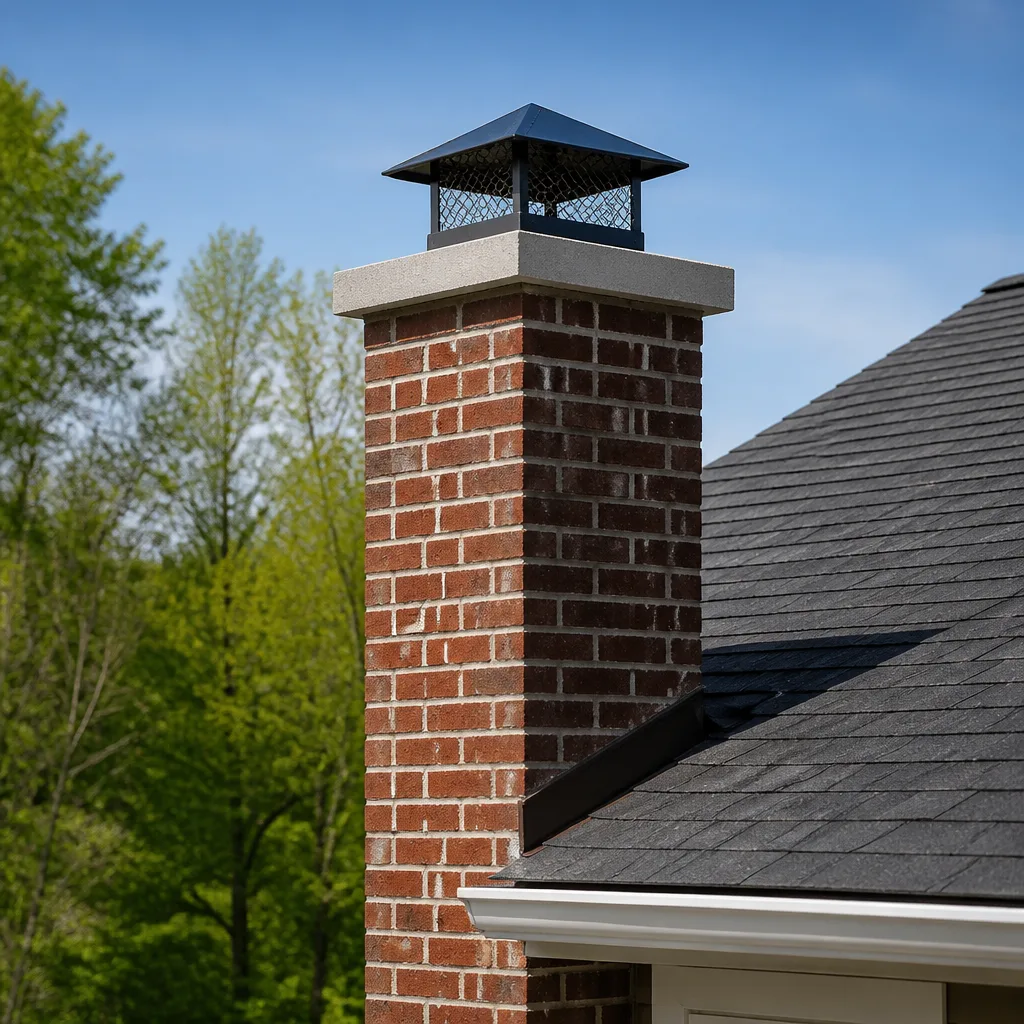
Water is the leading cause of the structural problems that trigger regulated work in the first place. A cracked crown lets water into the masonry, the masonry spalls and the mortar joints fail, and eventually the flue interior is compromised enough to require relining or resurfacing. The crown is the cap on top of the chimney chase that sheds water away from the flue; when it’s intact, most of this never starts. That’s why we include cap and crown work in our service mix rather than referring it out. Water coming in at the top has a way of turning a maintenance visit into a construction project.
Two other local conditions push the same direction. Renton sits in a region with seismic activity, and a chimney is one of the heaviest, most brittle parts of a house. Regulated chimney work is a chance to confirm the chimney is anchored and its clearances are intact. And the wet season means the chimney often sits unused for months, then starts a fire again with whatever moisture and debris collected over the summer inside it. A pre-season sweep and inspection catches that before it becomes a problem.
The practical upshot: schedule maintenance before the first cold snap, not after. It’s easier to get a documented inspection in the dry months, and any regulated repair you turn up has time to go through the permit and inspection stages before you want to be burning wood.
How to Tell If Previous Work Was Permitted
Most homeowners we meet don’t know the permit history of their chimney. That’s normal. What isn’t normal is discovering it at the worst possible moment. Here’s how to check, in order of how much it tells you:
- Ask the city. The City of Renton permit center can look up permit history on your address. A liner install, a firebox rebuild, or a crown reconstruction should show up if it was permitted.
- Look for the inspection record. If a permit exists, there should be a final inspection. A permit that was never closed is a red flag on its own.
- Get a Level 2 inspection with camera. A camera sweep shows liner condition, connection integrity, and whether the flue interior matches what was described. It’s the only way to know what’s actually in your chimney.
- Check for documentation from the prior owner. Receipts, installation manuals, and warranty papers for any liner or insert should be in the home files. If they’re missing, treat the work as undocumented.
- Watch for the telltale signs. A liner installed without a permit often shows improper termination at the top, a mismatch between flue size and appliance, or a cap mounted over a damaged crown. An inspection catches all three.
Our fireplace repair work often starts with this kind of documentation check. If the record is clean, we say so and get on with the maintenance. If it isn’t, we show you what the camera sees and what it means, and we tell you plainly when something can safely wait.
Common Mistakes to Avoid
- Assuming every repair needs a permit. Sweeping, Level 1 inspections, and cap replacement on an intact crown are maintenance. Overshooting the requirement costs you time and money for nothing. The line is alteration versus maintenance, and a good inspector will tell you which side your project sits on.
- Assuming no repair needs a permit. The opposite mistake is more expensive. A liner replacement done without a permit is unpermitted structural work, and it can surface at an insurance claim or a home sale in King County.
- Skipping the camera inspection. A quote for a liner or a firebox rebuild without camera footage and photos is a guess. Ask to see the flue interior before you agree to anything.
- Treating a gas appliance as a DIY project. Converting wood to gas or reconnecting a gas insert is regulated work. Vent connections must be sized and listed for the appliance, and carbon monoxide is the risk when they aren’t.
- Filing the inspection report somewhere you’ll never find it. Keep the Level 2 report, permit record, and final inspection with your home files. At resale, that paperwork is worth more than the repair cost.
- Ignoring the crown. A cracked crown is the single most common route for water to get into a Renton chimney and start the damage that eventually requires regulated repair. Catching it early keeps a maintenance item from becoming construction.
- Waiting until the season starts. Booking a sweep and inspection in the wet months can push a permit-dependent repair right up against the first burn. Get the inspection done in the dry season so any regulated work has time to go through the city.
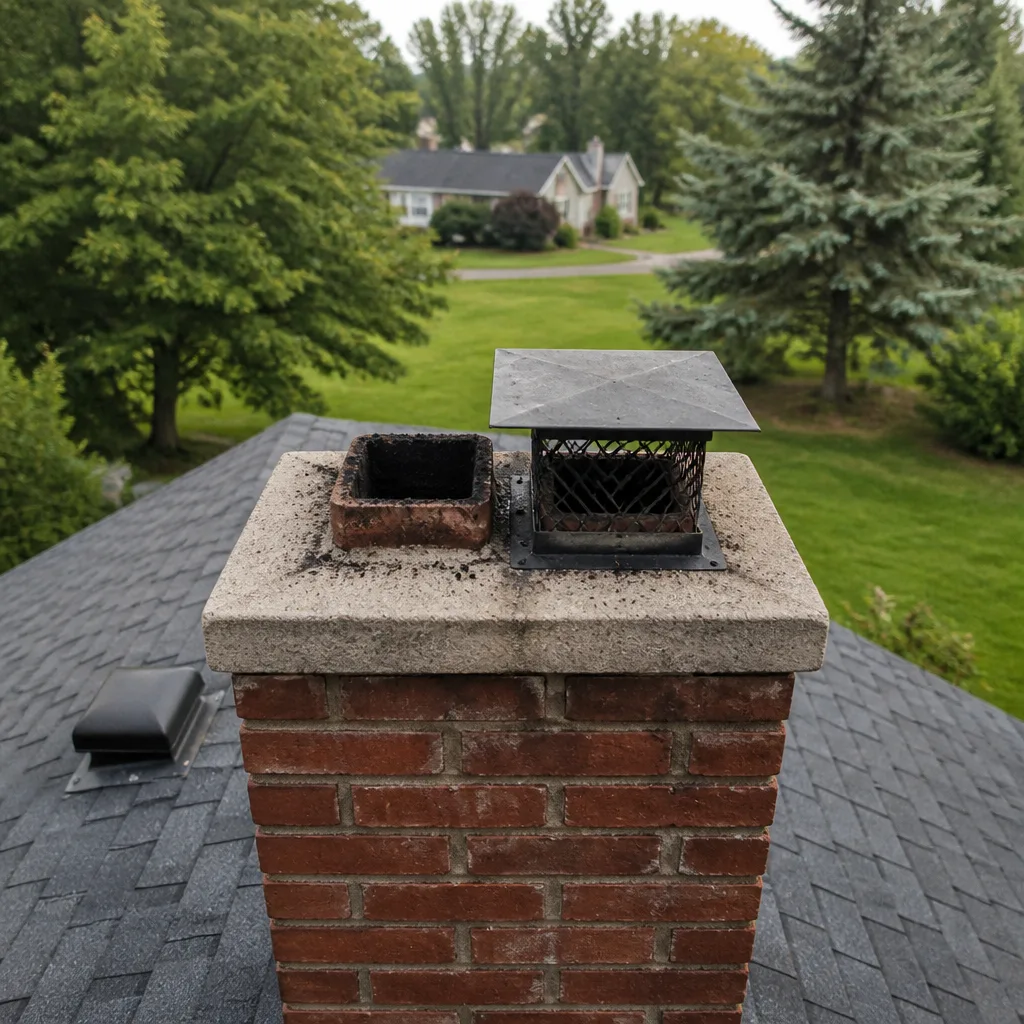
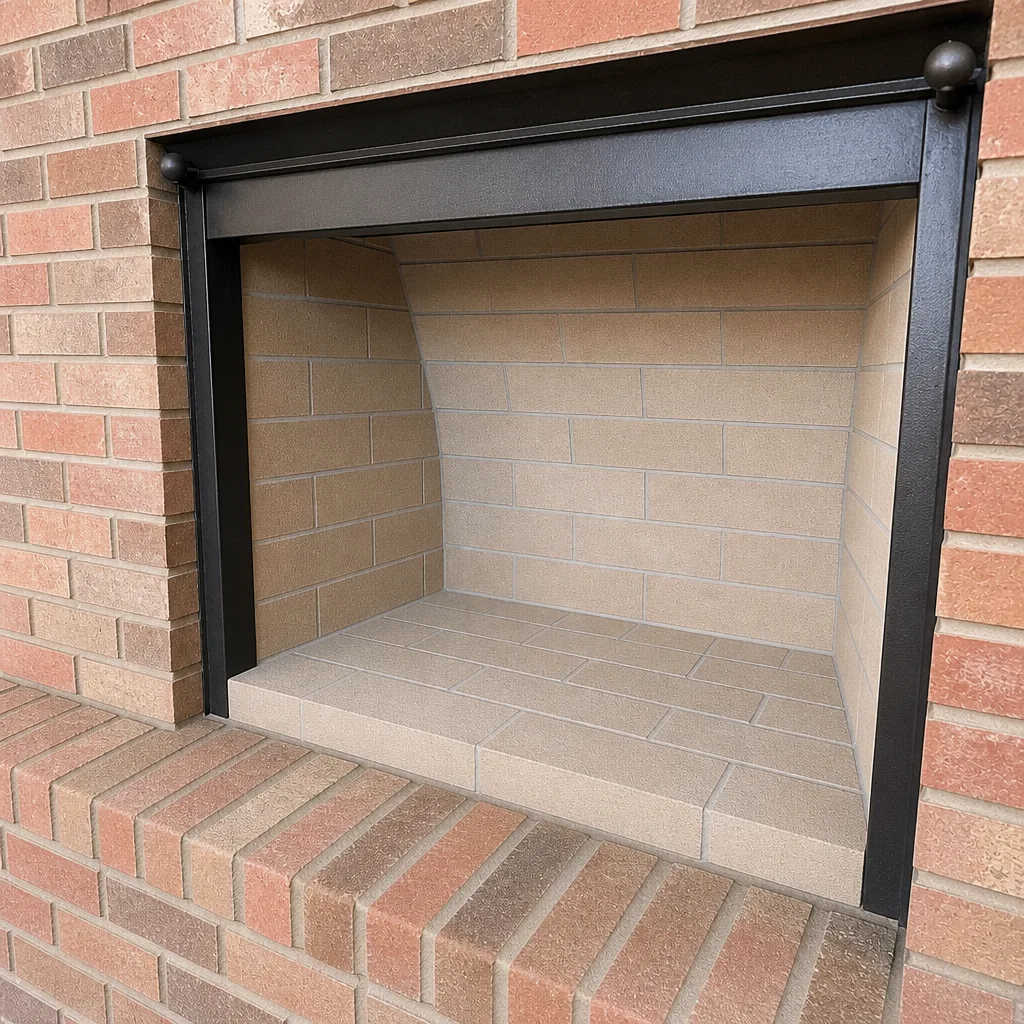
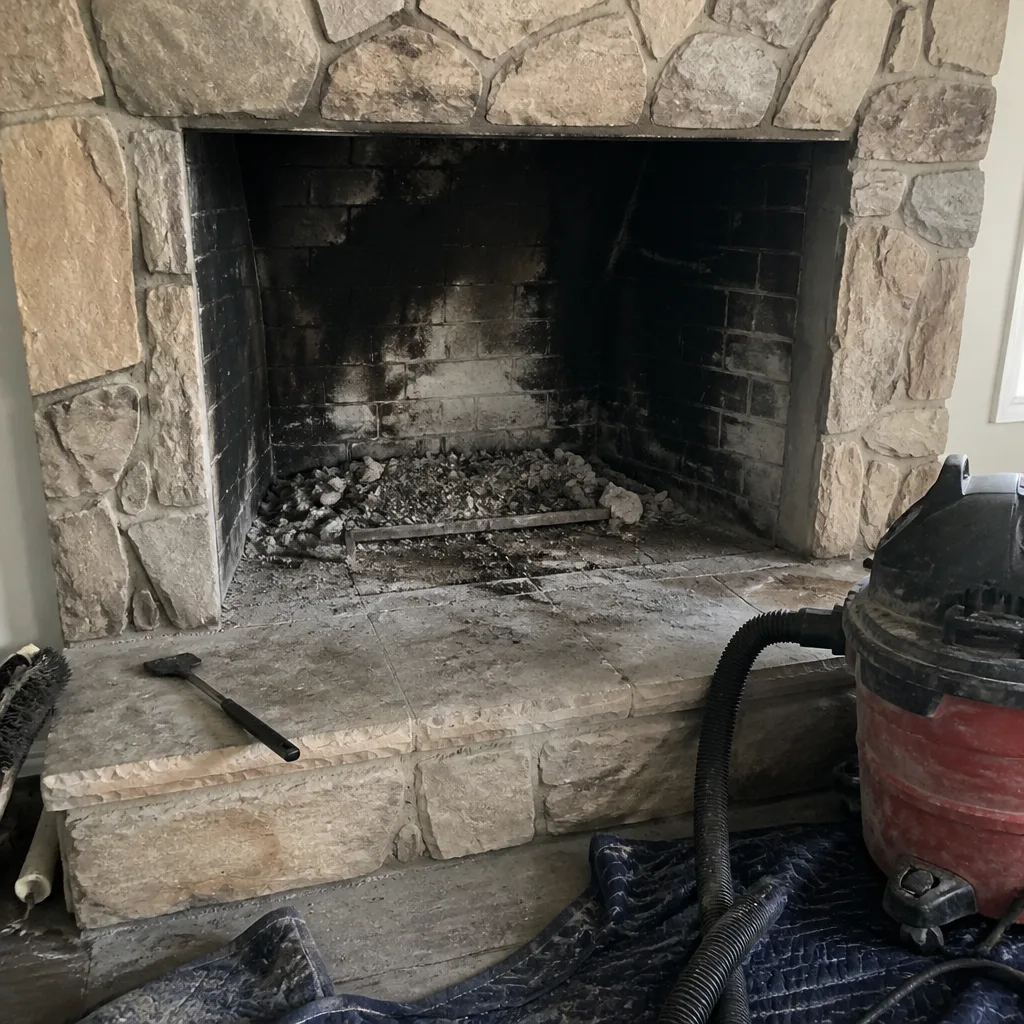
See the difference
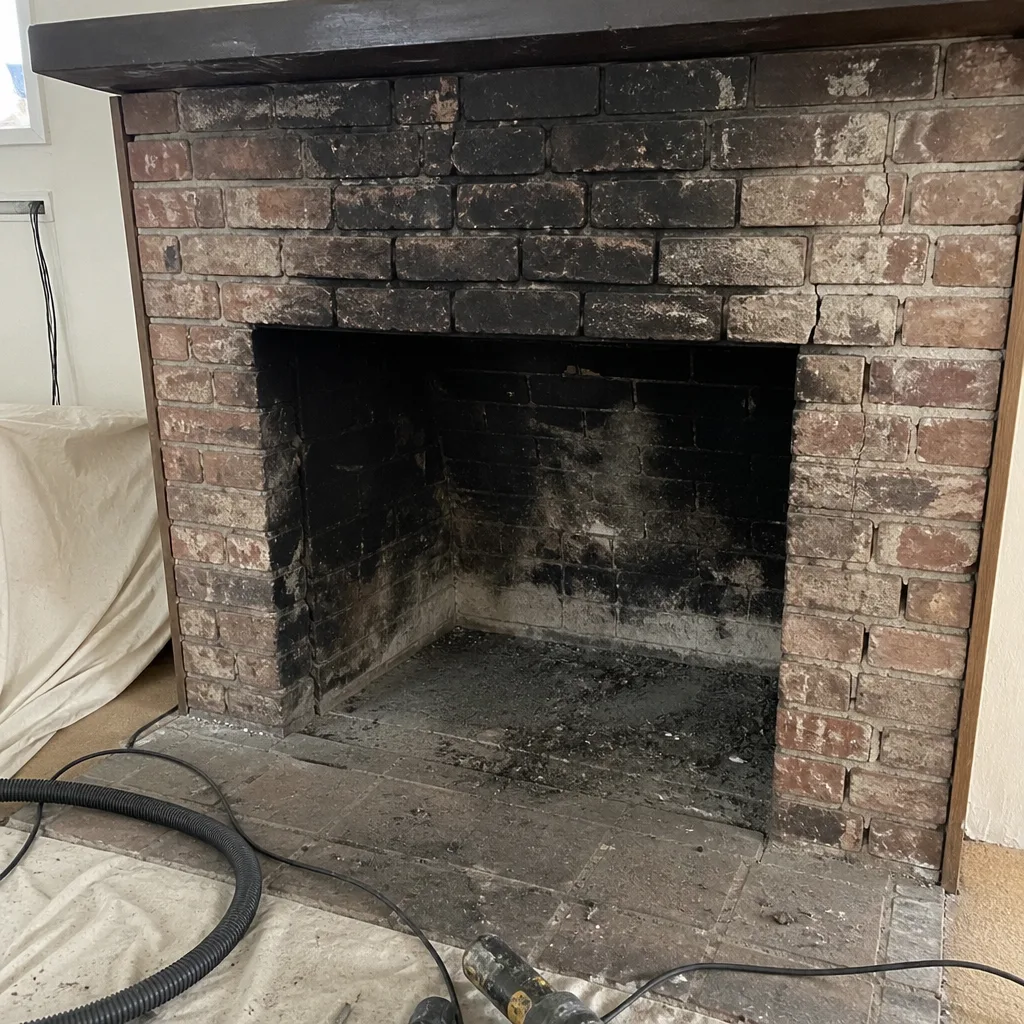 Before
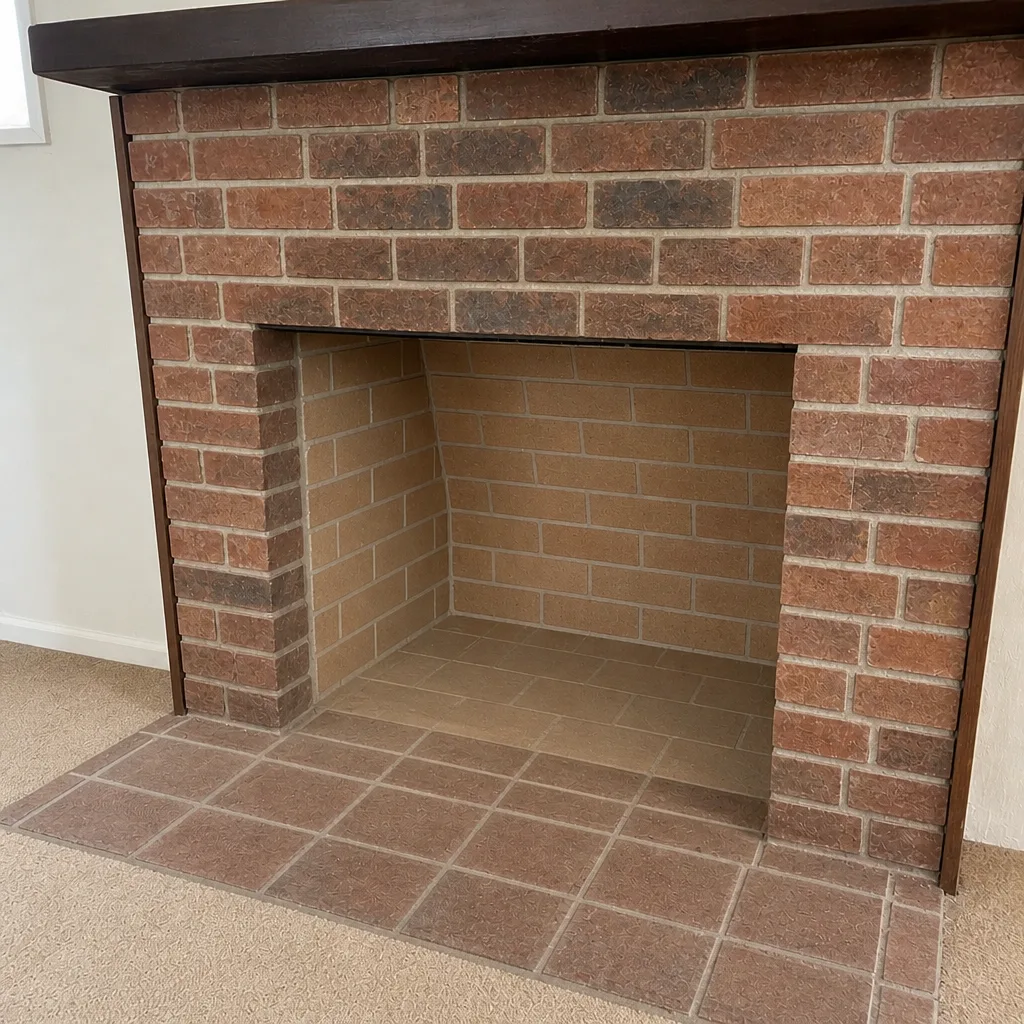 After
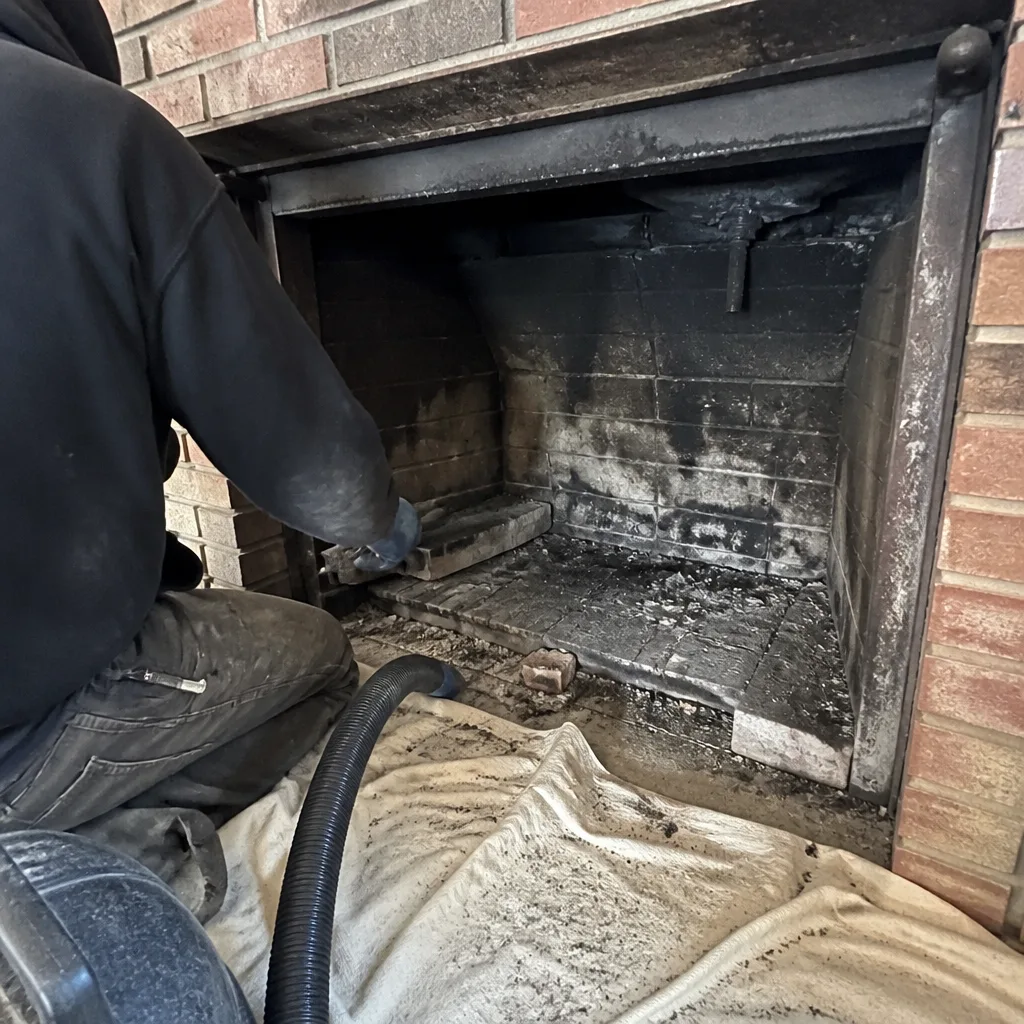 Before
 After
 Before
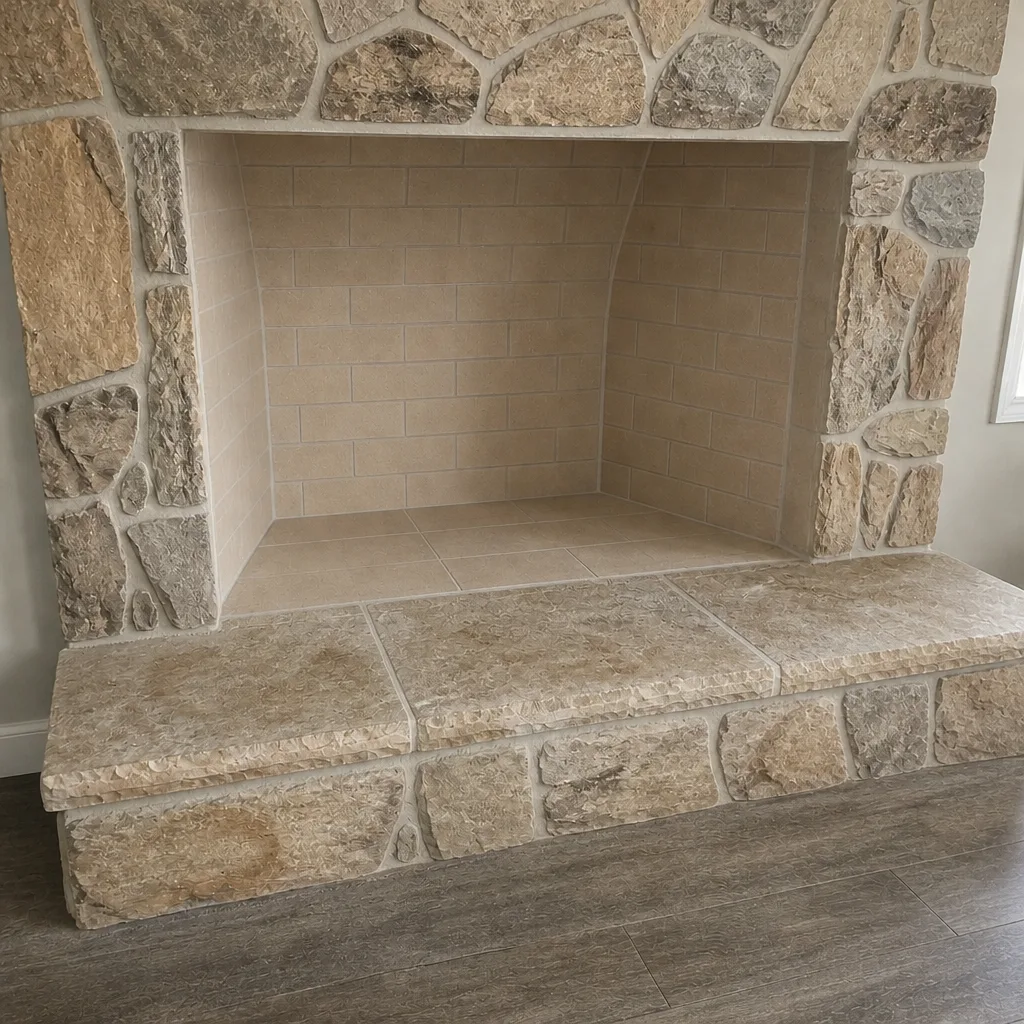 After
When to Call a Professional
Call a professional whenever the work crosses from cleaning into alteration: a liner that needs replacing, a firebox or smoke chamber that needs rebuilding, a crown that needs reconstructing, a gas appliance that needs reconnection, or a chimney whose condition you can’t verify. Call if you’re buying or selling a home in Renton and need a Level 2 inspection with a written report and photos. Call if another provider has told you the chimney needs thousands of dollars of work and you want a qualified second opinion with camera evidence. And call if you simply don’t know the permit history of your chimney and want it documented before it becomes someone else’s question. Renton Chimney Sweep offers free estimates in Renton. Call (844) 625-7416. We answer 24/7.
Frequently Asked Questions
No. Chimney sweeping and Level 1 visual inspections are maintenance and don’t require a permit in Renton. A permit is triggered when the work alters the chimney structure or flue system, such as liner replacement, firebox or crown rebuilding, or modifying a gas appliance connection. Call (844) 625-7416 for an exact quote on an inspection that will tell you which side of that line your chimney sits on, and estimates are free.
Yes. Replacing or installing a liner is an alteration to the flue system regulated under Washington’s adopted residential code, and it requires a permit through your local permit center with inspections at defined stages. The permit record is what protects you if a fire or carbon monoxide incident ever leads to an insurance claim. Call (844) 625-7416 for an exact quote, and estimates are free.
A Level 2 inspection is a visual inspection of the accessible chimney plus the flue interior by camera, including attic and crawlspace penetrations and the appliance connection, delivered as a written report with photos. It’s generally required at a change of occupancy, after a chimney fire or seismic event, and when an appliance or venting system is changed. Call (844) 625-7416 for an exact quote, and estimates are free.
It can. Without a permit record and final inspection, there’s no documentation that the work was done to code, and an insurer may investigate unpermitted structural work after a chimney-related loss. The simple protection is to pull the permit up front and keep the inspection record with your home files. Call (844) 625-7416 for an exact quote, and estimates are free.
Timelines vary with the city’s workload and the complexity of the project; a straightforward reline moves faster than a chase rebuild. The permit stage is built into the project schedule from the start so a repair doesn’t stall halfway through. The City of Renton permit center can confirm current timelines and fees for your specific scope. Call (844) 625-7416 for an exact quote, and estimates are free.
Yes. Insert installation changes the venting system and clearances to combustibles, so it requires a permit and inspection under Washington’s residential code, with the Energy Code applying to how the assembly seals. The vent connection must also be listed and sized for the appliance. Call (844) 625-7416 for an exact quote, and estimates are free.
The Bottom Line
Routine chimney cleaning in Renton needs no permit. Anything that alters the flue, the firebox, the crown, or a gas appliance connection does, and that work should go through the City of Renton permit process with a final inspection on record. The reason isn’t bureaucracy. It’s that a permit record and a Level 2 inspection report are the two documents that answer the hardest questions you’ll face: whether the work was done correctly, and whether your insurer and your buyer will accept it. Keep those documents, catch crown and water problems early, and treat unpermitted structural work as something to resolve rather than ignore. We use the same materials certified chimney professionals specify, from DuraFlex to HeatShield to Copperfield, and we show you camera evidence before recommending anything.
If you don’t know the permit history of your chimney, or you’ve been told it needs repair and want a documented second opinion, call Renton Chimney Sweep at (844) 625-7416 for a free estimate. We answer 24/7. Fast dispatch from 7am to 7pm, Sunday through Friday. Our technicians have up to 9 years of experience, and we handle the full scope from the firebox to the crown so there’s no handoff mid-project.
Written by the team at Renton Chimney Sweep.