
Last updated November 23, 2026
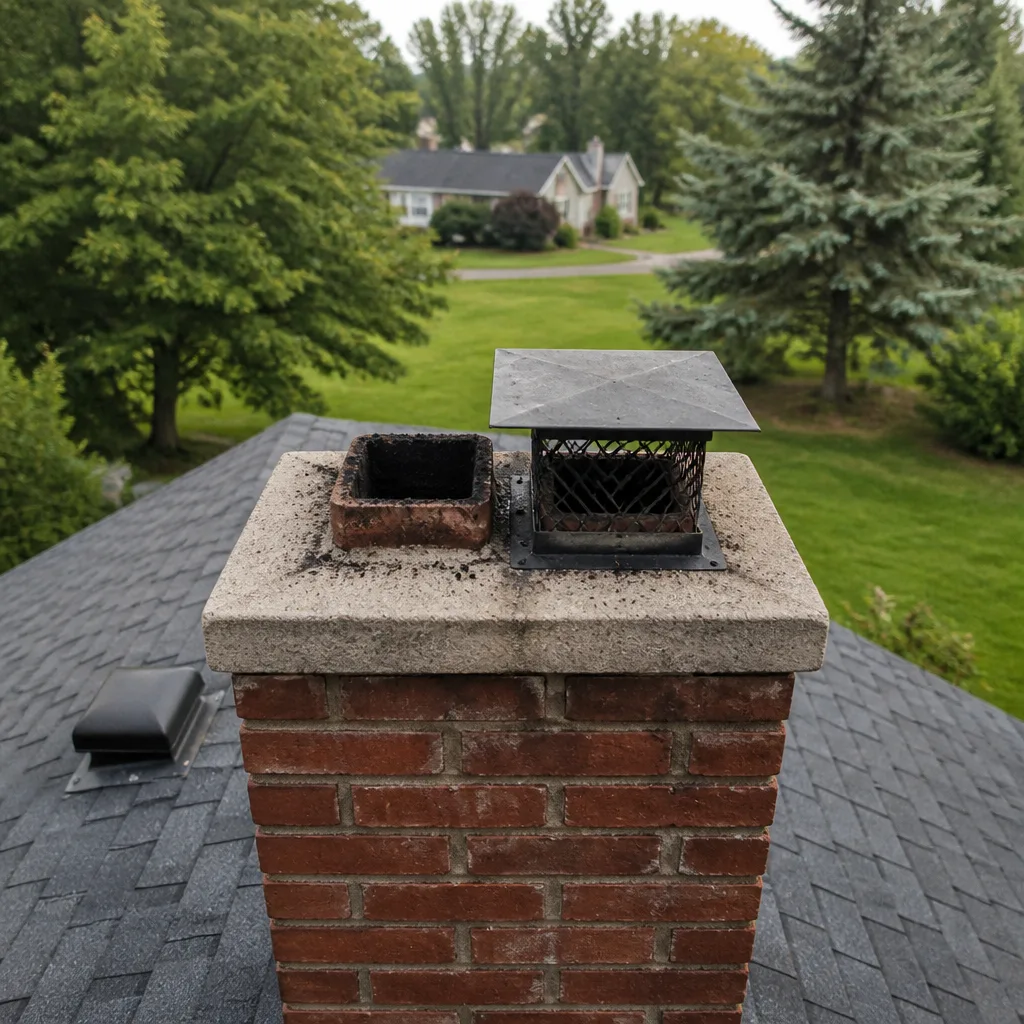 Sweep & inspection
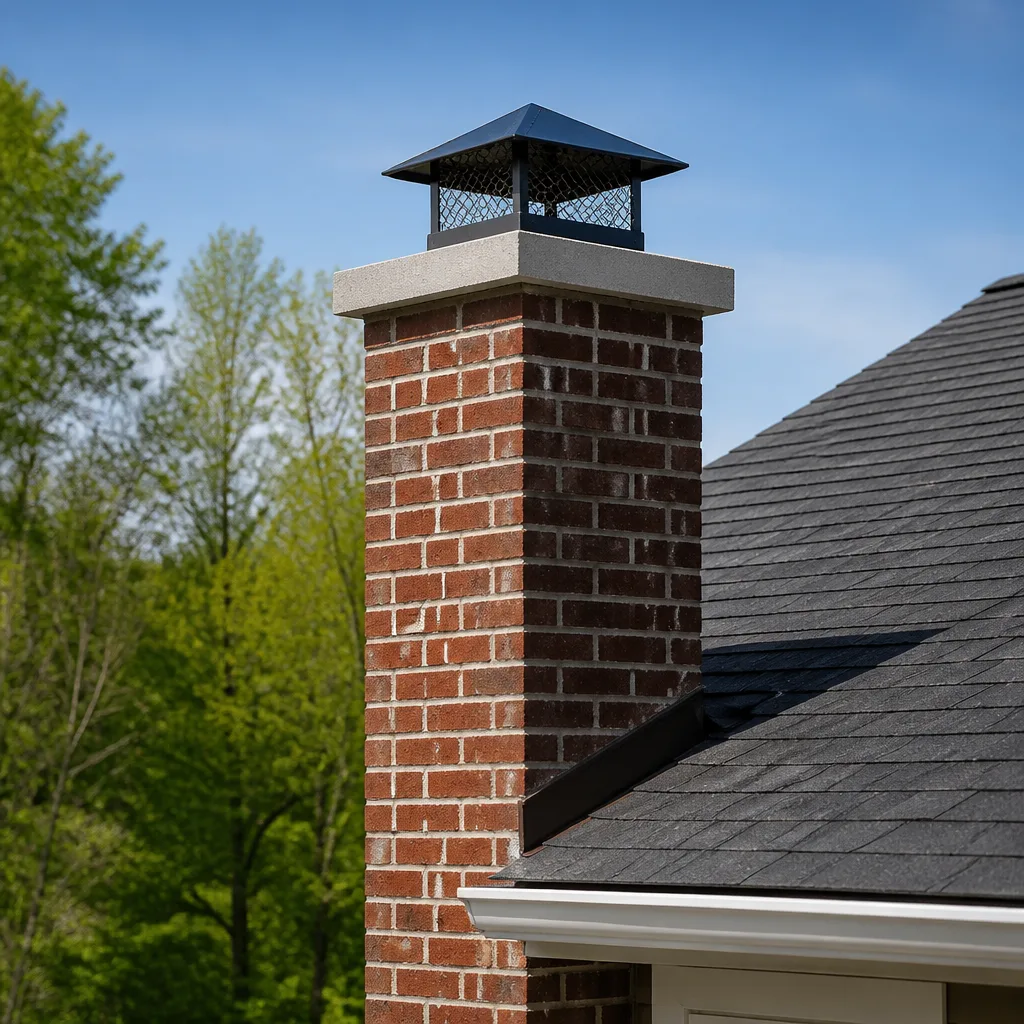 Caps & crowns
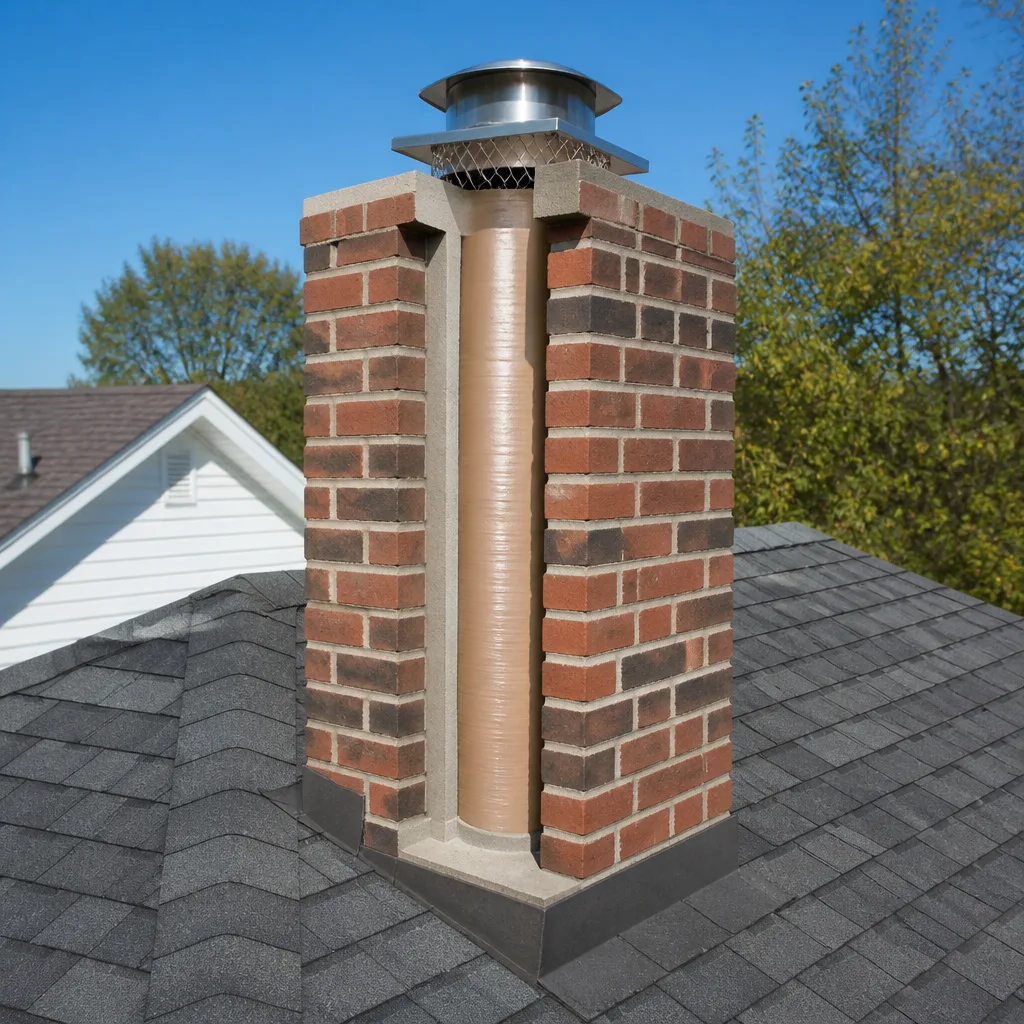 Flue relining
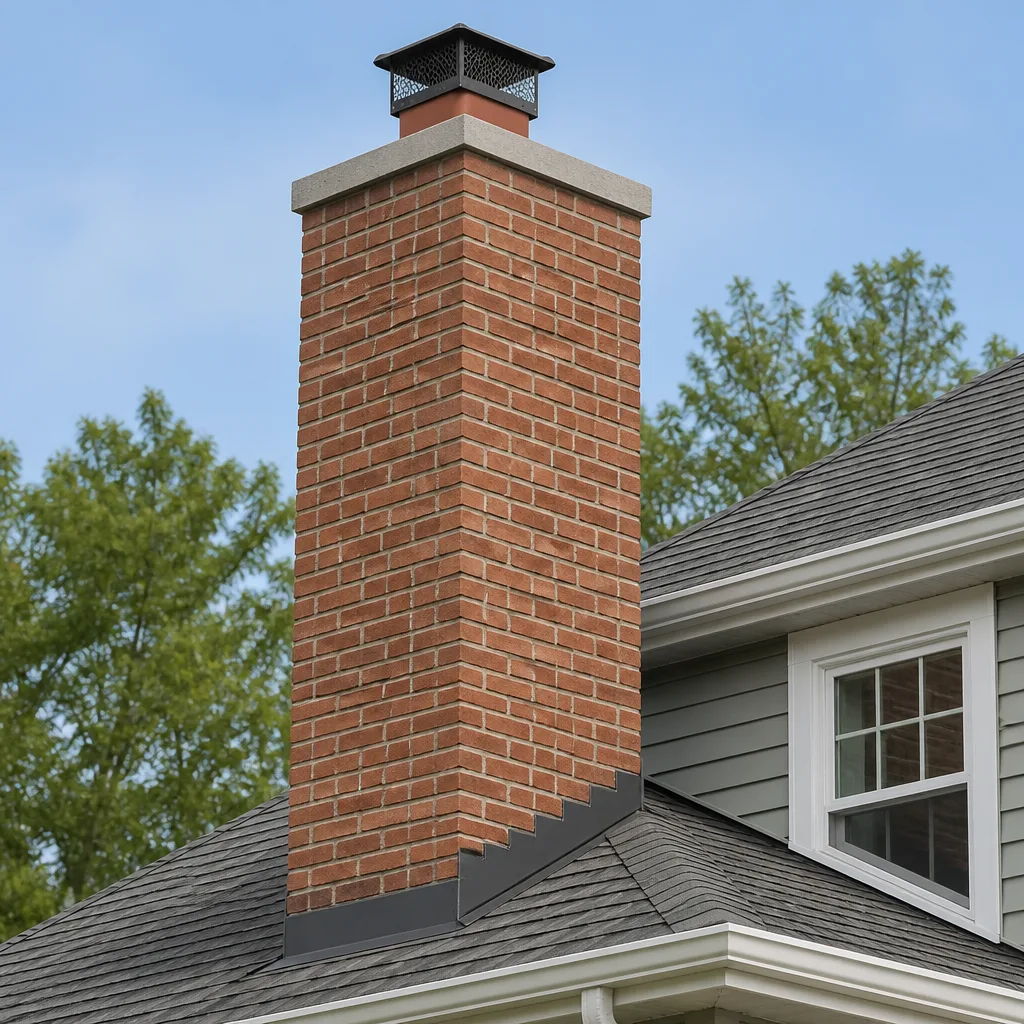 Masonry repair
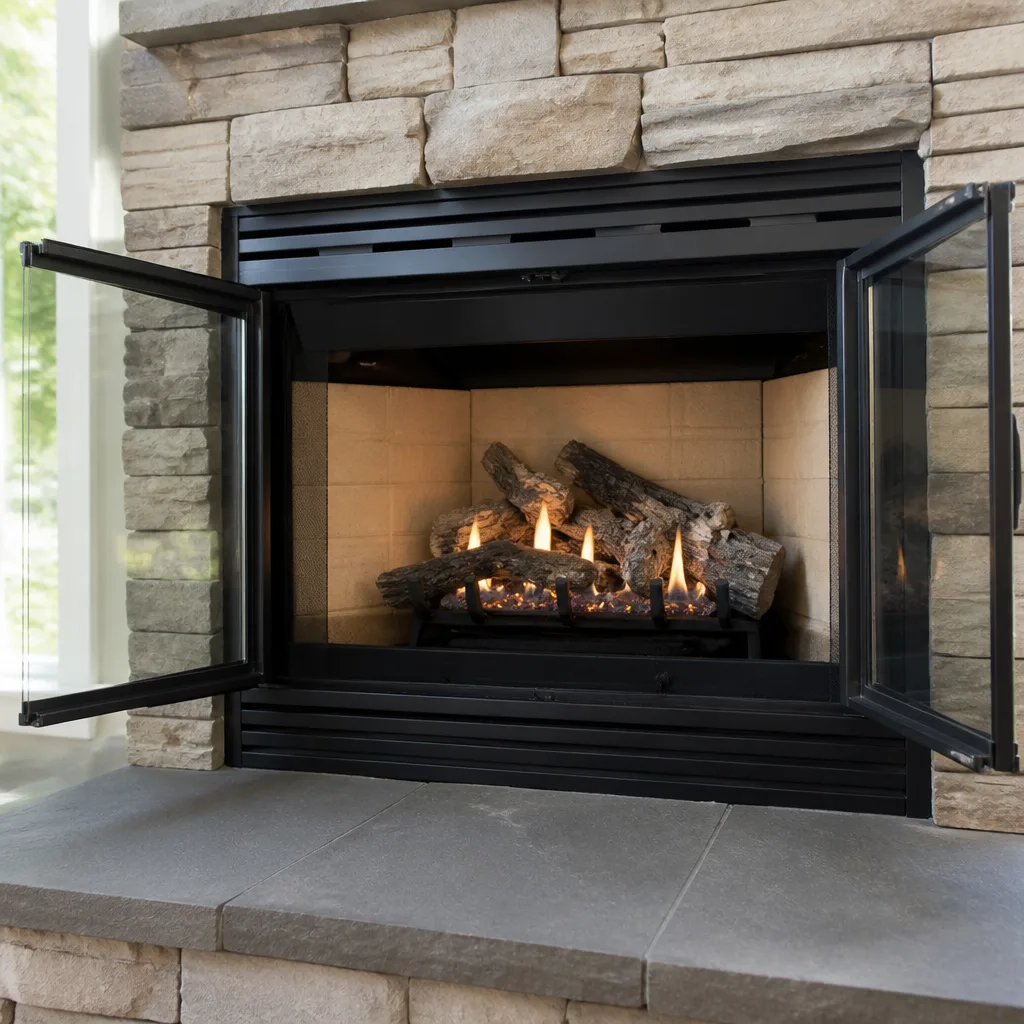 Gas fireplace service
Level 1 sweep and inspection to the NFPA 211 annual standard - flue, crown, cap, and flashing checked and photographed
Chimney sweep logs do not sweep chimneys. They loosen some creosote - which then falls where a brush and vacuum still have to collect it.
Chimney Sweep Maintenance Checklist for Renton Homeowners
Scheduling a chimney sweep every October is a good habit. It just won’t catch the cracked flue tile that formed in August after a chimney fire you didn’t know you had. Chimneys don’t fail on a calendar. They fail on conditions – a wind storm that lifts a cap, a stretch of heavy rain that finds a crown crack, the first cold fire of fall pushing heat into a flue that sat idle all summer. This guide gives Renton homeowners a checklist built around those conditions instead of arbitrary dates. You’ll learn what you can safely check yourself, what your sweep needs to know to assess your real risk, and which signs mean call now versus mention it at your next appointment.
Quick Answer
A chimney maintenance checklist for a Renton home should combine monthly visual checks you can do safely from the firebox opening, seasonal checks triggered by weather and first-of-season fires, and an annual inspection by a trained sweep. The annual inspection isn’t a date on a calendar – it’s a baseline your sweep measures against the next time they’re out. Log your burn frequency, watch for the specific warning signs below, and schedule professional service when conditions call for it, not just when the season changes.
Styles & brands we work with
- Sweep & inspection
- Caps & crowns
- Flue relining
- Masonry repair
- Gas fireplace service
Table of Contents
- Why a Calendar-Based Checklist Misses Real Problems
- Monthly Checks You Can Do From the Firebox Opening
- Roofline Checks: What to Look For From the Ground
- Renton Weather Triggers: Rain, Wind, and the First Fires of Fall
- How to Log Burn Frequency So Your Sweep Can Assess Risk
- Wood Fireplace vs. Gas Insert vs. Wood Stove: Three Different Rhythms
- The Seasonal Checklist: Homeowner Tasks vs. Sweep Tasks
- Common Mistakes to Avoid
- When to Call a Professional
- Frequently Asked Questions
Why a Calendar-Based Checklist Misses Real Problems
A sweep scheduled every October tells you what your chimney looks like in October. It doesn’t tell you what happened in February when you burned green wood for three weeks, or in May when a wind storm worked a cap loose. Chimney maintenance in Renton runs on conditions, not dates, and the conditions here vary more than most homeowners expect. The city sits in a basin that catches wind coming off the Cascades and rain that arrives sideways, and both put real stress on a chimney’s exterior components – the cap, the crown, the flashing where the chimney meets the roof.
We’ve seen chimneys that passed an October inspection and developed a serious problem by March. Not because the October sweep missed something, but because the conditions between those months changed. A flue tile that was intact in October doesn’t stay intact through a heating season’s worth of expansion and contraction if the chimney was already showing hairline cracks.
This is the case for a condition-based checklist. It’s also the argument for pairing the calendar with the triggers:
- Weather events: after a wind storm, after the first hard freeze, after several days of heavy rain in a row.
- Burn events: the first fire of the season, the first fire after a long idle period, any fire that smelled or behaved differently than usual.
- Visible changes: a new stain on the ceiling, a new smell in the firebox, a cap that moved.
- Appliance changes: switching fuels, adding a gas insert, converting a wood stove.
Each of those is a signal that something in your system may have changed. Treat the annual inspection as a baseline measurement, and treat each trigger as a reason to check the baseline against current conditions. That’s how a maintenance checklist becomes a diagnostic tool instead of a reminder on your phone that you swipe away.
We’ve also found that homeowners who think in conditions rather than dates tend to catch problems earlier – not because they’re checking more often, but because they’re checking at the right moments. A chimney that’s showing wear in October may not change much by April. A chimney that takes a direct hit from a wind storm in November can show a serious problem by December.
Monthly Checks You Can Do From the Firebox Opening
You don’t need to climb on your roof to check the basics. The firebox opening is the safest and most informative place to start, and the checks take about five minutes. Do these monthly during the heating season, and after any fire that felt off. This is also the starting point for the chimney sweep we recommend before each burn season, since what you see here tells the tech where to look first.
- Look up the flue with a flashlight. You’re looking for a clear flue and smooth walls. You want to see the flue’s interior surface uniform in color and texture. Black soot is normal. Shiny, glazed, or tar-like buildup is not, and it’s a call-now sign.
- Check the damper. Open and close it fully. It should move smoothly and seat tight. A damper that’s stuck open or stuck closed is a mention-at-next-appointment item – unless the fireplace is your primary heat source, in which case call sooner.
- Inspect the firebox walls and the smoke shelf. Look for crumbling mortar, loose bricks, or cracks in the firebrick. Small hairline cracks in the firebrick are common and worth mentioning. Any brick that moves or missing mortar between bricks is a call-now sign.
- Run your hand along the smoke chamber and shelf above the damper. Feel for rough, crumbling, or flaking material. Crumbling refractory is a call-now item because it can mean the flue liner above it is compromised.
- Check for water staining or rust at the smoke chamber and on the damper frame. Rust on the damper means water is getting into the chimney from above, and it won’t fix itself. This is a call-now sign that usually traces to a cap or crown issue.
- Smell the firebox when it’s cold. A sharp, smoky, or creosote smell when there’s no fire is worth mentioning. A persistent chemical smell after a fire that used fuel you haven’t used before is a call-now sign.
The distinction matters. Call now means stop burning until a trained professional has looked at it. Mention at next appointment means it’s worth noting to your sweep but isn’t a reason to wait by the phone. When you’re not sure which category a finding falls into, treat it as call now. The cost of a second opinion is far lower than the cost of being wrong.
Roofline Checks: What to Look For From the Ground
You can learn a lot about your chimney without going on the roof. Stay on the ground and use binoculars. If you have to get on the roof to see something, it’s a job for a trained professional – falls from ladders and roofs are a leading cause of home injury, and the view from the ground gives you most of what you need anyway. Head outside with a pair of binoculars after any significant rain or wind event and check these specific items.
- The cap: is it still on straight? Does it have mesh that’s intact, or holes rusted through? A cap that’s been knocked askew by wind is a call-now item – it can let water, birds, and debris into the flue.
- The crown: the concrete or masonry top of the chimney above the flue. Look for visible cracks, gaps, or pieces that look like they’ve pulled away. A cracked crown is a call-now item because it’s the leading pathway for water to get into the chimney structure in Renton, where the wet season runs long. This is the kind of repair handled under chimney cap & crown work.
- The flashing: the metal where the chimney meets the roof. Look for lifting edges, gaps, or rusted-through sections. Flashing problems let water into the attic and are worth catching early.
- The chimney’s vertical line: is it leaning, or has it moved visibly out of plumb? A leaning chimney is a call-now item and the kind of thing that’s worth a second opinion before you commit to any repair.
- Masonry condition: look for missing mortar joints, spalling brick (faces breaking off), or efflorescence – the white powdery staining that signals water moving through masonry.
- Stains on the chimney’s exterior or on the siding nearby: brown or black streaking can be normal soot, but white or green growth suggests ongoing moisture.
The critical point about roofline checks: what you see from the ground tells you whether to call. It doesn’t tell you what’s wrong. Cracks in the crown that look superficial from 20 feet away can be deep once someone is up close with proper tools. When in doubt, ask for a photo report with the inspection so you can see what the sweep sees. A Renton Chimney Sweep inspection that doesn’t include photos of what was found is a report you can’t verify.
Renton Weather Triggers: Rain, Wind, and the First Fires of Fall
Renton gets a lot of rain and a lot of wind, and both stress the exterior of a chimney more than the firebox. The interior of your chimney is protected from weather by the cap, crown, and flashing. When any of those fail, water gets in, and water damage in a chimney is the most expensive kind because it usually affects the flue liner, the masonry, or both. Here are the specific triggers worth checking for in Renton.
After heavy rain
Go outside and check for water running down the chimney’s exterior or dripping from the cap. Then go inside and check for dampness or staining around the firebox, at the damper, and on the ceiling near the chimney’s path through the house. Water in any of those places is a call-now item. Note the wind direction during the storm – rain driven in from the typical windward side is easier to diagnose than rain that shows up for no apparent reason.
After a wind event
Wind in the Renton area can move leaf debris, roof shingles, and small branches. That debris can land on the cap and screen, blocking the flue. It can also chip or knock a cap loose. Check the cap with binoculars, and listen for a rattle in the chimney when the wind blows – that’s a call-now sign if you hear it. If a limb lands near the chimney, look for cracks in the crown or displaced flashing you might not have noticed before the storm.
The first fires of fall
The flue has been idle since spring. A flue that sat closed all summer can hold moisture, and the first fire pushes hot gas through a cold, damp chimney. What to check on the first fire of the season:
- How the draft draws: the stove should pull smoke up and out cleanly within a couple of minutes. Smoke rolling out of the firebox into the room means the flue is blocked or the draft is compromised. That’s a call-now sign – don’t wait for a second fire.
- Whether the fire burns evenly: uneven burning, a fire that won’t stay lit, or a fire that burns too hot then dies quickly can all point to a draft or liner problem worth mentioning to your sweep.
- Whether any odor lingers: a smoky smell that continues after the fire is out and the flue is cold is a signal to stop burning until someone has looked at it.
- Whether the glass or doors on a stove soot up faster than usual: fast sooting usually means a draft problem or a fuel-burning problem worth confirming.
One more Renton-specific trigger: our wet season can create condensation inside a cold flue that adds to creosote formation during the shoulder seasons when you’re burning small fires. If you burn occasional small fires in October and November to take the chill off, those short fires can build creosote faster than a full load burned hot. Log those burned hours as carefully as the deep winter burns.
How to Log Burn Frequency So Your Sweep Can Assess Risk
Most homeowners estimate their burn frequency from memory when their sweep asks, and memory is unreliable in a way that matters. “We burned a lot last winter” doesn’t tell the sweep whether you burned half a cord or two cords, whether the wood was seasoned or green, or whether you burned short shoulder-season fires or full-load winter fires. The difference between those scenarios changes the creosote risk profile significantly, and it changes the maintenance recommendation.
A burn log solves that. It doesn’t need to be elaborate; a notes app on your phone or a small pad by the stove works. Here’s what to log:
- Date of each fire, or each day you burned. Even a single line per day – “Oct 15” – is enough. Over a winter, those lines tell a story about burn frequency.
- Rough duration of each burn. “Evening, 4 hours” is fine. The valuable distinction is between a short fire that warms the room and a long burn that heats the whole house.
- Approximate amount of wood. Number of splits or the size of what you loaded. Consistency matters more than precision.
- Type and dryness of wood. Seasoned hardwood, green wood, engineered logs, or a mix. Green wood builds creosote faster than seasoned wood, and a sweep who knows you burned green wood in February will check for a different problem than one who assumes you burned dry wood all season.
- Anything unusual. A fire that smoked into the room, a smell that lingered, a draft that felt weak, a storm that passed through between fires. These notes are the raw material for a useful conversation with your sweep.
- Whether the wood was stored outside or under cover. Wood that gets rain-soaked before burning behaves differently, and it adds moisture to the fire that has to be driven off as vapor.
When the sweep arrives, hand them the log. They can match your burned hours against the creosote they find in the flue and give you a much more accurate answer about how often to schedule the next sweep for your specific burn pattern. It’s the difference between a prediction and a diagnosis.
Wood Fireplace vs. Gas Insert vs. Wood Stove: Three Different Rhythms
Chimneys aren’t all alike, and the maintenance rhythm changes with what you’re burning. A wood-burning open fireplace, a gas insert, and a wood stove all have a chimney behind them, but the failure modes and inspection priorities differ enough that treating them the same misses things. Here’s how the checklist changes for each.
Wood-burning fireplace
The primary concerns are creosote buildup, firebox condition, and the flue liner. Open fireplaces burn less efficiently than stoves and generate less heat for the amount of wood, so they tend to accumulate creosote steadily over a heating season. The firebox takes more direct abuse from an open fire, so check the firebrick and mortar monthly during burning season. Damper function is critical because an open fireplace relies on the damper more than a stove relies on its baffle. The annual sweep is the most important maintenance event, and if the liner is compromised, HeatShield resurfacing is often the smaller, lower-cost step before considering replacement. Our fireplace repair work starts with a camera inspection of the firebox and flue so the recommendation is grounded in what the camera shows.
Gas insert
Gas inserts have a different maintenance profile. They don’t produce creosote, but they do produce moisture as a combustion byproduct, and that moisture can interact with the chimney in ways a wood fire doesn’t. They also have a vent system that has to remain clear and correctly connected. The priorities are:
- Annual inspection focused on the vent system and the firebox condition.
- Check the glass and the burner for deposits at each inspection.
- Confirm the vent termination at the chimney top is clear and correctly designed for the insert, since a wrong cap or screen can create venting problems specific to gas.
- Carbon monoxide risk is a genuine concern with gas appliances; a working CO alarm on every floor is part of the maintenance checklist, not an optional add-on. If you smell gas, stop and call your gas utility immediately.
Wood stove
A wood stove burns hot and efficiently, but the way it burns means it can produce creosote in a different pattern than an open fireplace. Cold-start burns, damped-down overnight burns, and burns with poorly seasoned wood all create glazed creosote that can be harder to remove than the fluffy soot from an open fire. Wood stove chimney maintenance needs to include:
- More frequent inspection if you burn with the damper partially closed for extended overnight burns.
- A close check on the stovepipe joints and the connection to the chimney – leaks at the joints let smoke into the house.
- Gasket condition on the stove doors, since a leaking door gasket changes the burn behavior.
- Cartridge-style stovepipe thermometer checks to confirm you’re burning in the efficient range, since burning cool builds creosote faster than burning hot.
The shared element across all three: the annual inspection is the baseline. The rhythm of additional checks depends on what you burn and how you burn it.
The Seasonal Checklist: Homeowner Tasks vs. Sweep Tasks
Here’s the checklist split by who does what. Homeowner tasks are safe for a careful person to complete with a flashlight and binoculars. Sweep tasks require training, tools, and the ability to safely access the roof and flue interior. Don’t mix the two – a homeowner check that turns into a homeowner repair is how people get hurt or make a small problem into a large one.
Homeowner tasks (monthly and after weather events)
- Flashlight check of the firebox and the visible flue from the firebox opening.
- Damper operation check.
- Smoke chamber and shelf feel-check for crumbling refractory.
- Water staining and rust check at the damper and firebox.
- Roofline binocular check of the cap, crown, flashing, and masonry.
- Burn log update after each fire or burn day.
- CO alarm test on every floor (monthly during heating season).
- Chimney exterior check after significant rain or wind events.
- First-fire-of-season check for draft, smoke spillage, and lingering odors.
Certified chimney sweep tasks (annual, plus as triggered)
- Full flue cleaning with proper brushes and a camera inspection.
- Camera inspection of the liner interior – the only way to actually see damage versus guess at it.
- Creosote assessment and recommendation on sweep frequency.
- Cap and crown inspection from the roof, with repair if needed.
- Flashing check and repair if needed.
- Firebox, smoke chamber, and damper inspection for structural issues.
- Liner condition assessment with the option of HeatShield resurfacing or relining if compromised.
- Written report with photos so you can see what was found.
If you’re looking at that second list and thinking it’s a lot for one annual appointment, that’s the point. A proper annual inspection covers all of it in a single visit, and it’s the right time to raise anything you’ve logged from the homeowner checks. The Renton Chimney Sweep approach is one inspection, one crew, one point of contact from the initial camera pass through any repair work that follows.
Common Mistakes to Avoid
These are the mistakes we see most often when we’re called to a Renton chimney that’s developed a problem it didn’t need to have. Some are small and easy to fix. Some are the kind of mistake that turns a sweep into a liner job.
- Burning green or unseasoned wood to save money. The wood costs less, but the creosote it builds can double or triple the sweep frequency and risks glazed creosote that’s much harder to remove. It can also lead to a chimney fire you don’t notice until the damage is visible on camera. Seasoned wood burns hotter and cleaner.
- Skipping the sweep because “we didn’t burn that much.” Small, occasional fires build creosote too, especially in the shoulder seasons. The sweep frequency should match your burn log, not your memory of how much you burned.
- Ignoring a cracked crown because it’s “just a hairline crack.” Renton’s wet season is long and water finds every crack. A crown repair is a modest fix; a water-damaged flue and masonry system is not. Catching it in fall is a much smaller job than catching it in spring.
- Letting a roofer or general contractor handle chimney interior work. A roofer can replace flashing, but chimney interior work – camera inspection, liner assessment, HeatShield application – takes a chimney specialist who can see the whole system. Splitting the work between two contractors usually means nobody is responsible for the whole system.
- Buying a house in Renton without a level 2 chimney inspection. A home inspector typically won’t inspect the chimney interior. If you’re buying a home with a wood-burning fireplace in Renton, a level 2 inspection before closing is a very small cost compared to discovering a compromised liner after you move in.
- Closing the damper with a fire still burning. It seems obvious, but we’ve seen it – usually after a fire has died down and someone’s tired. A closed damper on a smoldering fire pushes carbon monoxide into the house. Confirm the damper is fully open before lighting, and never close it until the firebox is cold.
- Cleaning a gas insert’s glass without confirming the vent is clear first. Clearing soot off the glass on a gas insert that’s not venting properly only makes the problem harder to see. Confirm the vent is functioning before treating a sooty glass as a cleaning problem.
When to Call a Professional
Some findings are conversation items. Some are call-now items. The call-now list is shorter than most homeowners expect, but every item on it is genuine.
Stop burning and call a professional if you see: glazed or tar-like creosote in the flue, a brick that moves in the firebox, crumbling refractory in the smoke chamber, a cracked or displaced crown, a loose or missing cap, a chimney that has visibly moved out of plumb, smoke spilling into the room on a first fire of the season, a persistent chemical or smoky smell when there’s no fire, rust at the damper, or water staining inside the house near the chimney. If you’ve had a chimney fire – even a small one you think you put out quickly – call before your next fire. A chimney fire can leave internal damage the firebox view won’t show, and camera inspection is the only reliable way to confirm the liner is still sound.
Renton Chimney Sweep offers free estimates in Renton. Call (844) 625-7416 to schedule an inspection. We answer 24/7. Fast dispatch from 7am to 7pm, Sunday through Friday. Nothing is recommended without camera evidence you can see for yourself, and we’ll tell you plainly when work can safely wait.
Frequently Asked Questions
Most residential chimney sweeps in the Renton area fall in a typical range of $150 to $350 for a standard sweep with an inspection, and the written estimate sets the final price. Additions like a camera inspection of a difficult liner, a cap replacement, or crown repair add to that range. Call (844) 625-7416 for an exact quote – estimates are free.
Often it can be restored. A compromised flue interior can sometimes be resurfaced with HeatShield rather than torn out and replaced, which saves the cost and disruption of a full liner replacement. Whether HeatShield is the right fit depends on what the camera inspection shows – the flue has to be structurally sound enough to receive the resurfacing system. Ask to see the camera evidence and the basis for the recommendation before committing to a full replacement, especially if another provider has told you one is needed. Call (844) 625-7416 for a second opinion.
Sweep frequency depends on burn pattern, not a fixed calendar. A home burning daily through the winter typically needs an annual sweep; a home with occasional or shoulder-season fires may need it less often. The right answer for your chimney comes from matching your burn log against what the sweep finds in the flue. A chimney sweep should be scheduled based on creosote accumulation, and a sweep who recommends a date without seeing the inside of the flue is guessing. Call (844) 625-7416 to book a sweep with camera inspection.
Creosote accumulates and becomes harder to remove with each burn season, and glazed creosote raises the risk of a chimney fire. A chimney fire can crack the flue liner or damage the masonry without any visible sign from inside the firebox, and the next fire in that state can push carbon monoxide or smoke into the house. The risks aren’t hypothetical – they’re the reason annual inspection exists. Call (844) 625-7416 if it’s been more than a year since your last sweep.
Check the cap and crown with binoculars, look for water running down the chimney’s exterior or dripping at the cap, and check inside for staining or dampness at the firebox and damper. After a wind event, listen for a rattle in the chimney and confirm the cap is still on straight. Any water inside the house near the chimney or any visible cap or crown damage is a call-now item. Call (844) 625-7416 and we’ll get someone out to see what the storm did.
A level 1 inspection is a visual check of accessible portions of the chimney, typically done during a routine sweep. A level 2 inspection adds a camera inspection of the flue interior and is what you want before buying a home, after a chimney fire, or any time a change has been made to the appliance or fuel type. The camera pass is what actually tells you whether the liner is intact. Renton Chimney Sweep includes camera inspection in the standard annual service – call (844) 625-7416 to book.
The Bottom Line
A chimney maintenance checklist that works is a condition-based checklist, not a calendar reminder. Check the firebox monthly, watch the roofline after rain and wind, log your burns so your sweep can assess creosote risk accurately, and schedule the annual inspection with camera evidence so you can see what’s actually wrong. The signs that say call now – glazed creosote, cracking masonry, water inside, smoke spilling into the room – are the ones worth acting on immediately. Everything else is a mention-at-next-appointment item, and knowing the difference is what keeps a Renton chimney safe without turning routine maintenance into an expensive emergency.
If you’d like your chimney assessed against this checklist, call Renton Chimney Sweep at (844) 625-7416. Estimates are free, and we’ll tell you what’s actually wrong, what can wait, and what the written estimate covers.
Written by the team at Renton Chimney Sweep.
See the difference
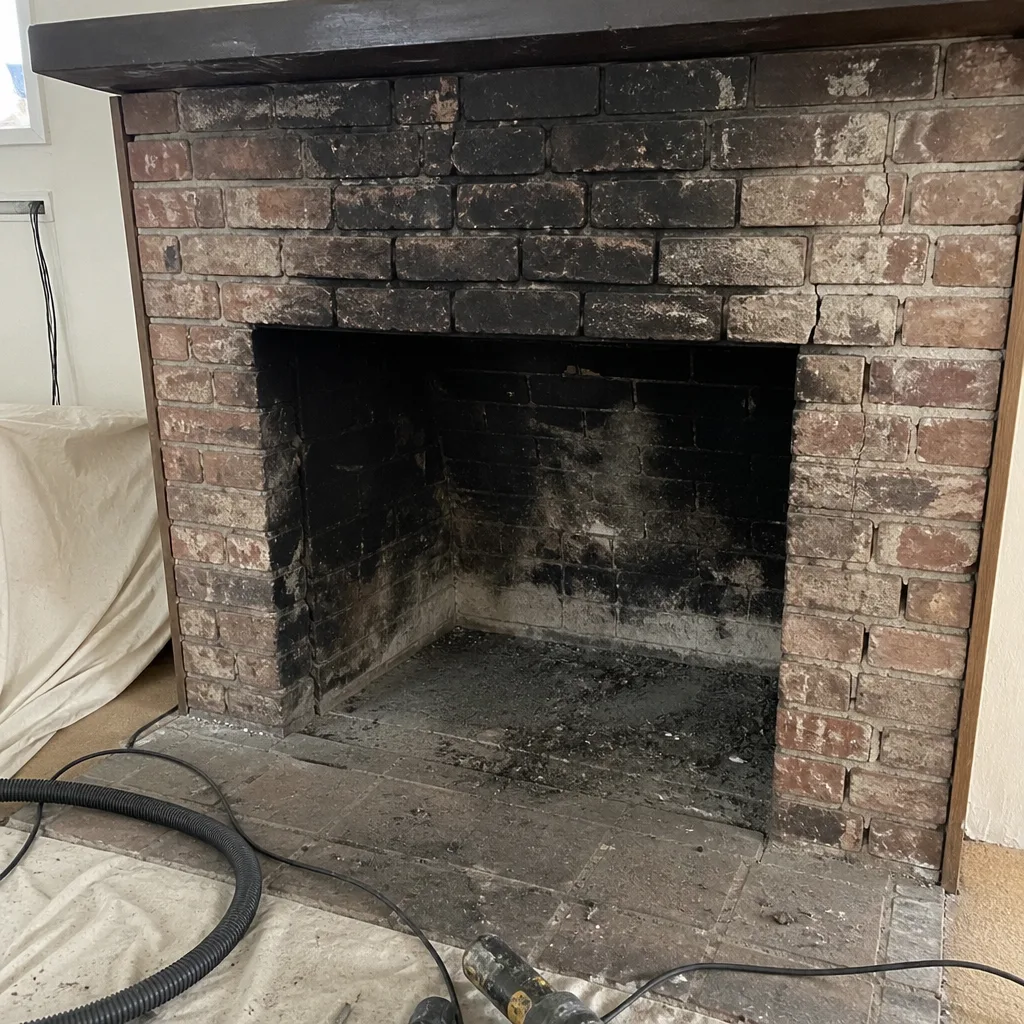 Before
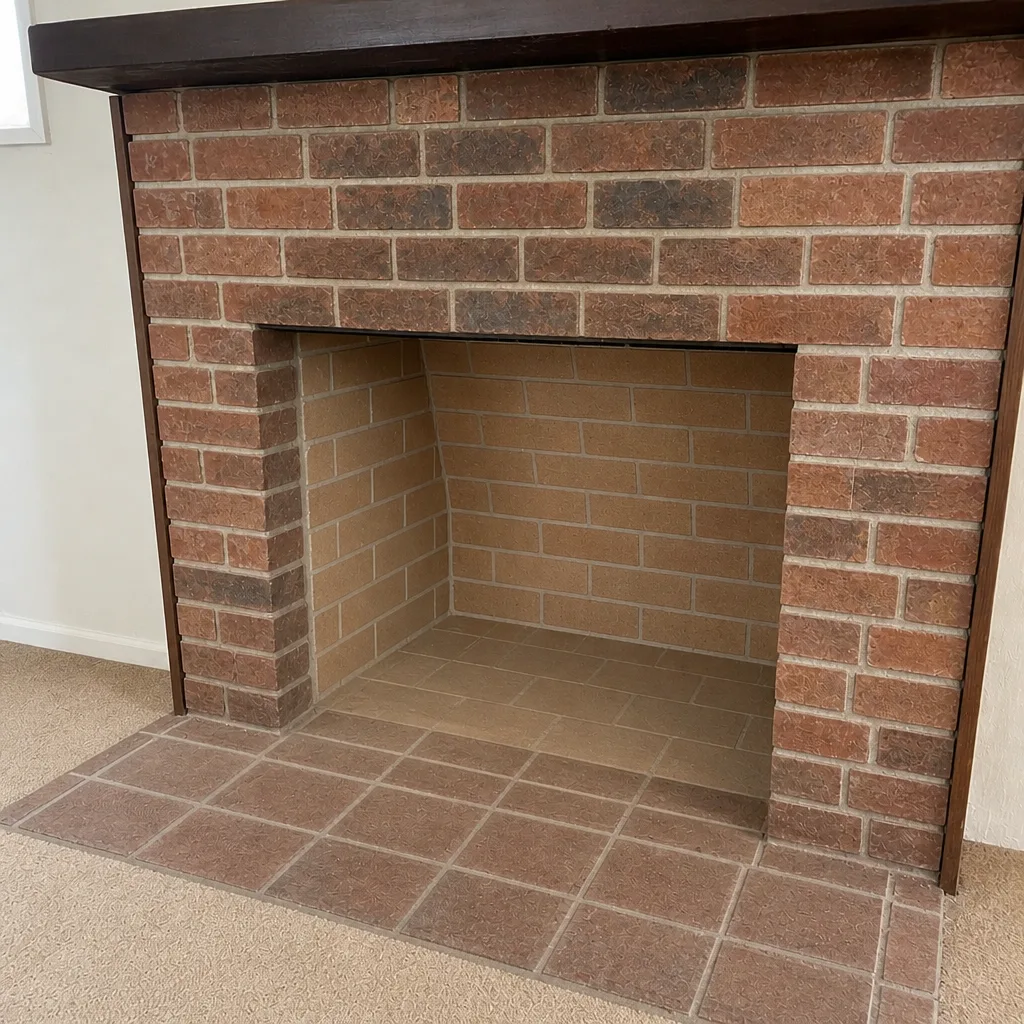 After
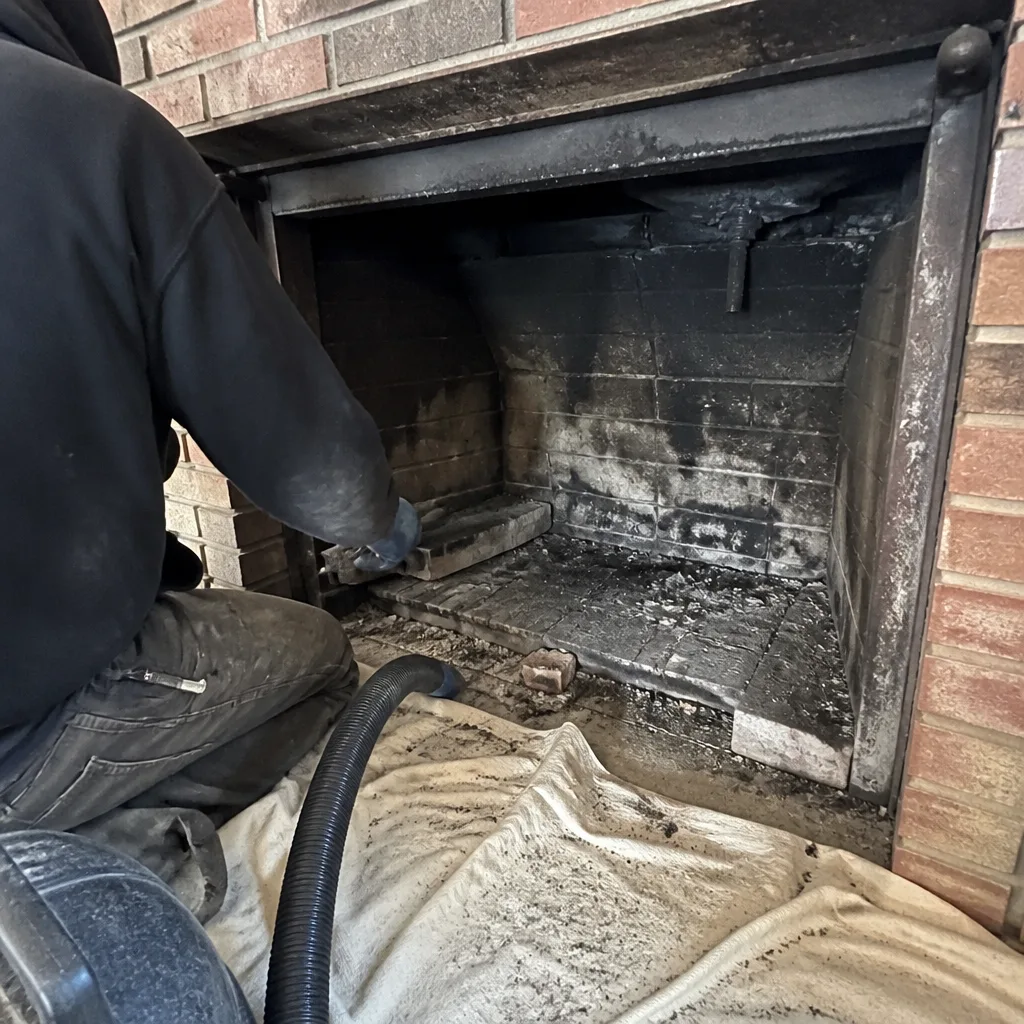 Before
 After
 Before
 After