
Last updated November 23, 2026
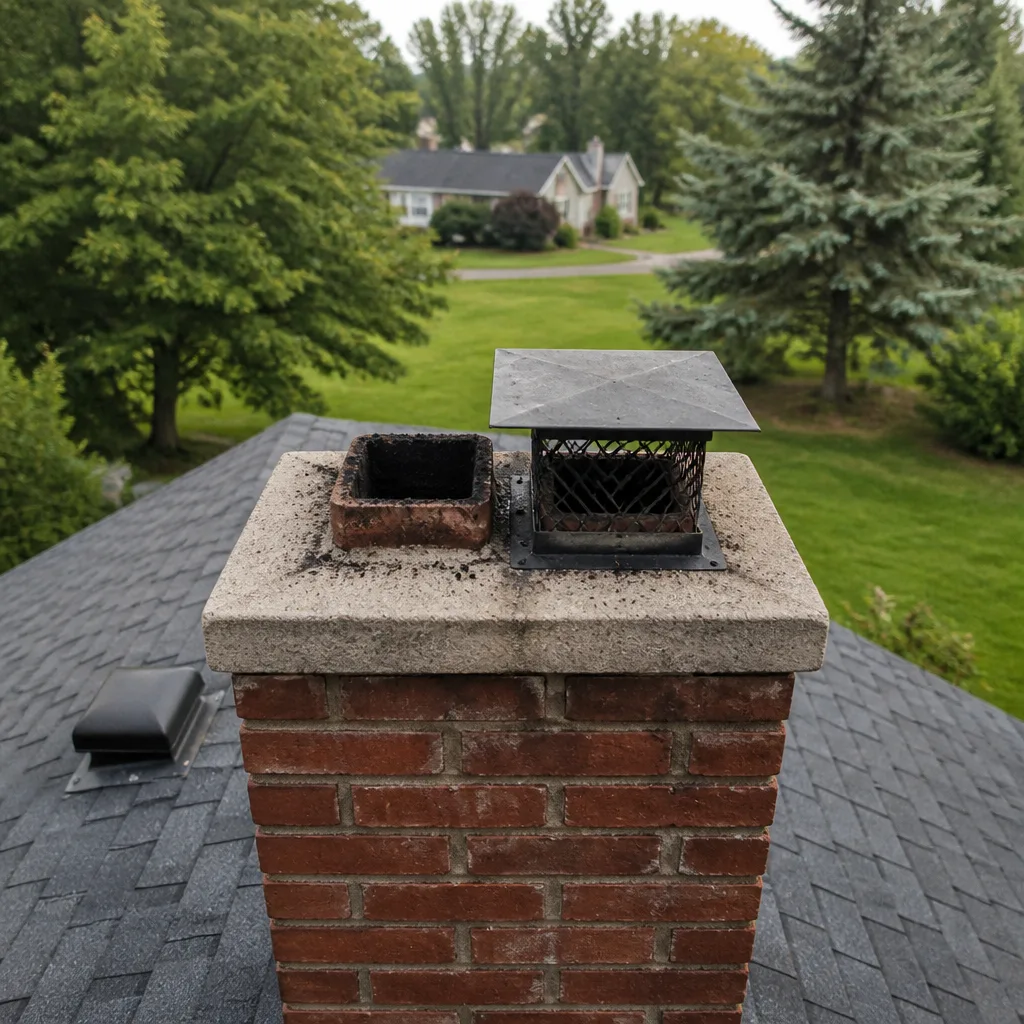 Sweep & inspection
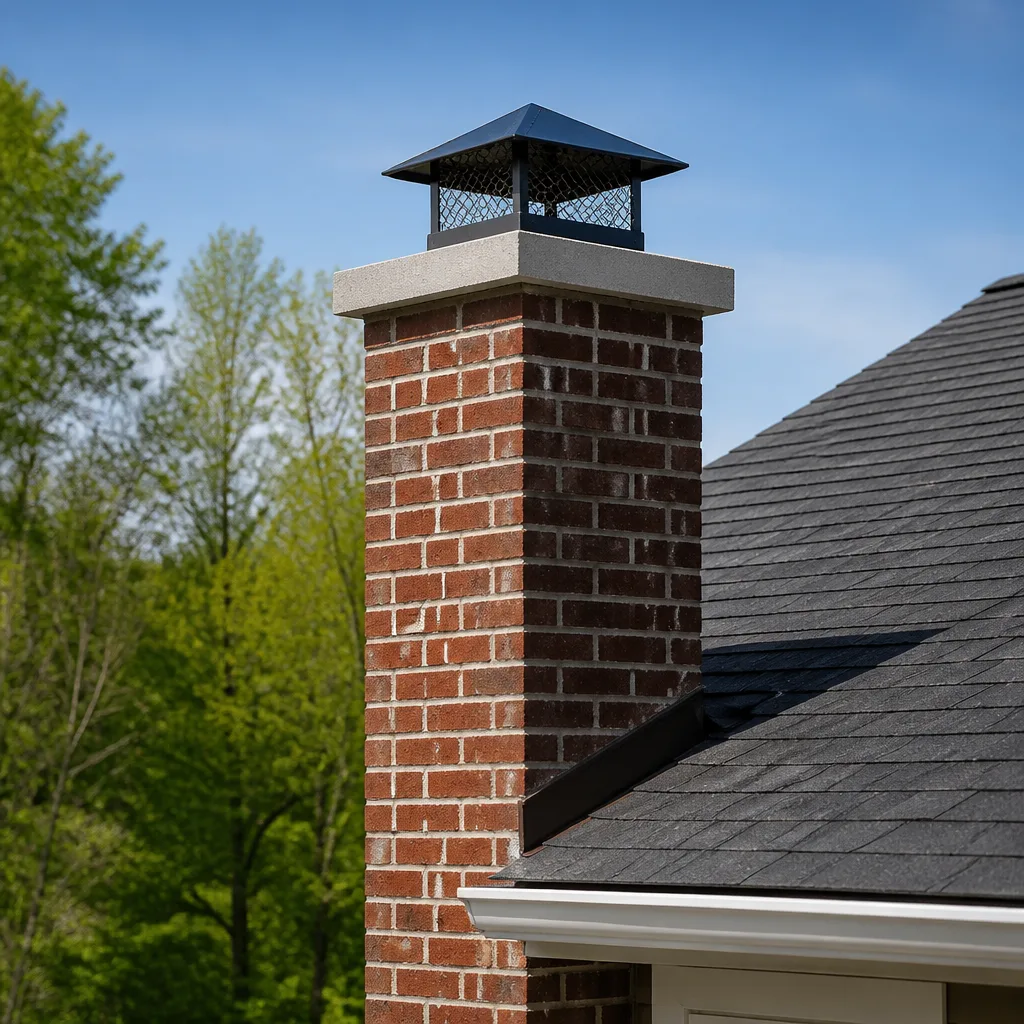 Caps & crowns
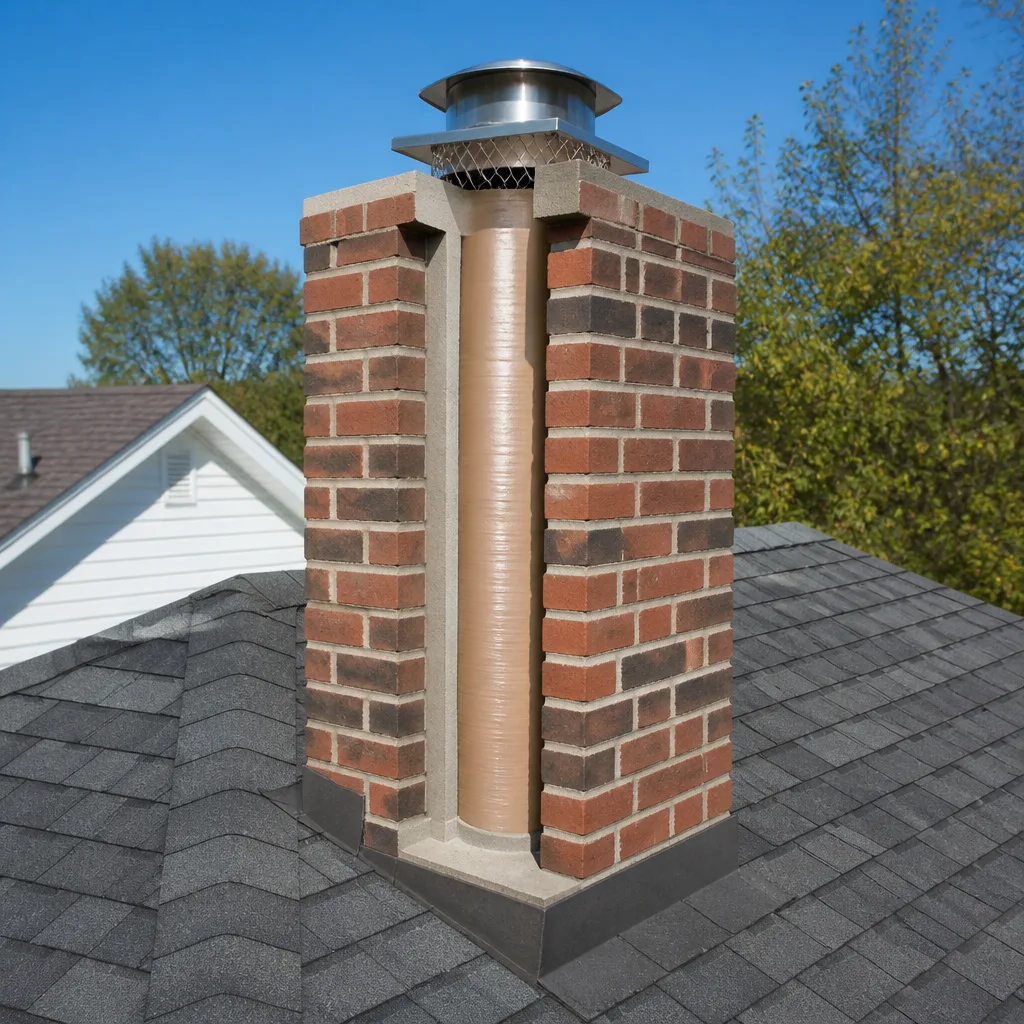 Flue relining
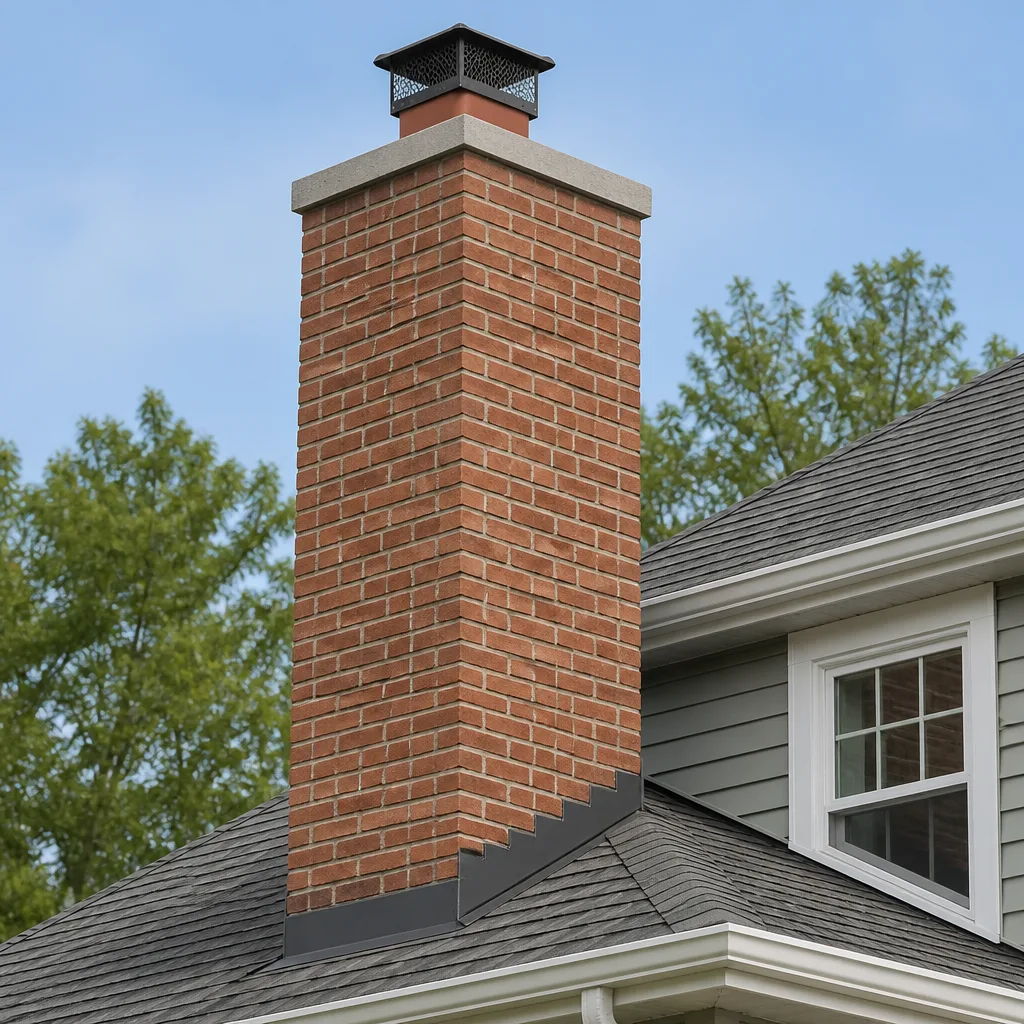 Masonry repair
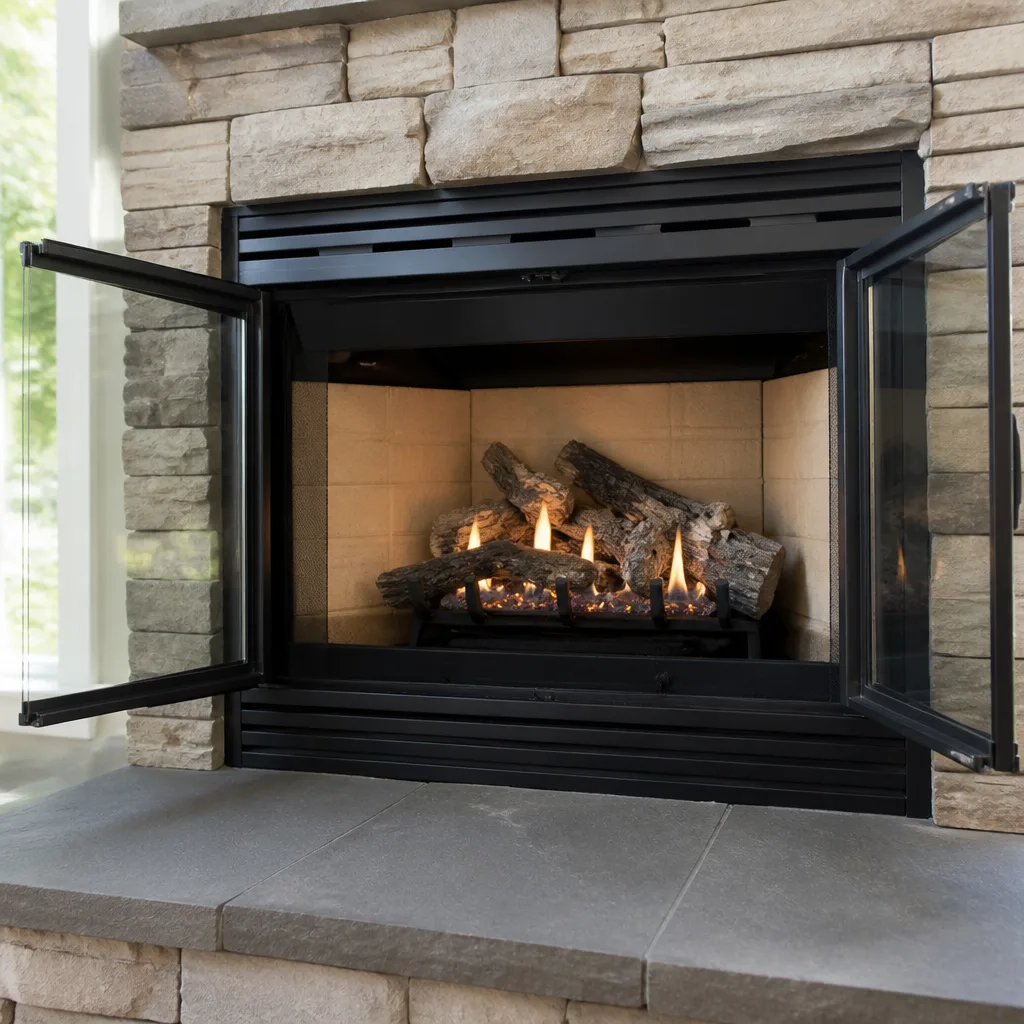 Gas fireplace service
Level 1 sweep and inspection to the NFPA 211 annual standard - flue, crown, cap, and flashing checked and photographed
Chimney sweep logs do not sweep chimneys. They loosen some creosote - which then falls where a brush and vacuum still have to collect it.
The Complete Guide to Chimney Cleaning in Renton
Most chimney fires don’t start because homeowners skipped the sweep. They start because the sweep only cleaned the flue and left Stage 2 creosote glazed onto the smoke chamber walls untouched. That distinction matters more than most people realize, and it’s the reason a “cleaning” that takes twenty minutes can leave the most dangerous part of your chimney exactly as it was. In this guide, we’ll walk through what chimney cleaning actually involves in Renton, why our wet winters change the creosote equation, which inspection level applies to a normal visit, and how to read a cleaning report so you know what needs attention now versus what can wait.
Quick Answer
Chimney cleaning in Renton is a full-system service that removes creosote and soot from the firebox, smoke shelf, smoke chamber, flue liner, and damper, then checks the cap and crown for water damage. A proper visit includes a Level 1 inspection and a written report of what was found. Cleaning frequency depends on how much you burn, but the wet Puget Sound climate makes annual cleaning and inspection the safer default for wood-burning households in Renton.
Styles & brands we work with
- Sweep & inspection
- Caps & crowns
- Flue relining
- Masonry repair
- Gas fireplace service
Table of Contents
- Why Renton’s Wet Winters Accelerate Creosote
- Level 1, 2, and 3 Inspections: Which One Applies?
- What Gets Cleaned, Component by Component
- Full-System Cleaning vs. a Sweep-Only Visit
- Questions to Ask Before You Book
- How to Read Your Post-Cleaning Report
- How Often Should You Clean in Renton?
- What Does Chimney Cleaning Cost in Renton?
Why Renton’s Wet Winters Accelerate Creosote Formation
Renton sits in a climate that swings between damp and cold for much of the year, and that pattern has a real effect on how creosote forms inside your flue. The short version: moisture plus incomplete combustion equals faster creosote buildup, and Renton delivers both in abundance.
Here’s how it works. When wood is even slightly damp, or when a fire burns cool and smoldering rather than hot, the smoke carries more unburned particles and water vapor up the flue. Those particles condense on the cooler walls of the chimney. Fresh creosote starts as a flaky, soot-like deposit that’s easy to brush away. Let it sit and reheat through a season of damp weather, and it hardens into the glazed, tarlike Stage 2 creosote that brushes won’t touch. Stage 3 is the hardened, crusted layer that signals a chimney fire has probably already happened.
Renton’s wet winters stack the deck toward faster buildup for a few reasons:
- Damp firewood. Wood stored uncovered or stacked on the ground soaks up moisture from the air and the soil. Wet wood burns cooler, which produces more smoke and more creosote.
- Shoulder-season fires. A cool morning fire in October or April tends to burn low and slow. Cool, smoldering fires are the single biggest driver of glazed creosote.
- Longer idle periods. Chimneys that sit unused for weeks accumulate moisture and let deposits cure into harder forms.
- Rain intrusion. A missing or damaged cap lets water run straight down the flue, keeping interior surfaces damp between fires.
In practice, this means a Renton household that burns regularly through the heating season should plan on an annual cleaning and inspection rather than stretching it to two or three years the way homeowners in drier climates sometimes can. The wet season here doesn’t give your chimney much of a break. Our technicians have up to 9 years of experience watching exactly this pattern play out across Renton homes, and the difference between a chimney cleaned on schedule and one that was left for years is usually visible the moment we look up the flue.
Level 1, 2, and 3 Inspections: Which One Actually Applies?
A typical chimney cleaning visit in Renton includes a Level 1 inspection, which covers the readily accessible parts of the chimney and venting with the tools you’d normally bring to a sweep. It’s the right level for a chimney that has been maintained and is used under normal conditions. The other two levels apply when something changes or when there’s a known problem.
Here’s how the three levels break down:
- Level 1 Inspection. Visual check of accessible components: firebox, damper, smoke chamber as far as visible, flue interior with a brush and light, cap, crown, and exterior where reachable. This is the standard inspection that comes with a routine cleaning. It confirms whether the system is sound and whether cleaning was effective.
- Level 2 Inspection. Everything in Level 1, plus a video camera scan of the flue interior. A Level 2 is called for after any change in how the system is used or what it’s connected to: a new appliance, a fuel type change, a chimney fire, a property sale, or a major weather event. If your cleaning turns up evidence of cracking, offset flue tiles, or heavy glazed creosote, a Level 2 is usually the next step.
- Level 3 Inspection. Everything in Level 2, plus removal of parts of the chimney structure where access is needed to assess hidden areas. This is reserved for situations where a serious defect is suspected or confirmed and the only way to see it is through the building fabric.
For most Renton homeowners booking a routine cleaning, Level 1 is the answer. The mistake is assuming that’s always enough. If your chimney has had a fire, if you’ve just bought the house, or if a previous sweep found damage and told you to watch it, a camera scan is worth building into the same visit. We’d rather scope the flue once and show you what we see than have you guess.
For a closer look at the inspection portion of a visit, see our Renton Chimney Sweep service overview.
What Gets Cleaned, Component by Component
A full-system cleaning treats the chimney as a connected path and cleans every stage along it, because deposits collect differently in each part. Here’s what actually gets addressed, in order from the bottom up.
- Firebox. The firebox is where ash, soot, and any debris from previous fires settle. It gets swept out fully, and the firebrick and mortar joints are checked for cracks or gaps that can let heat reach the framing behind.
- Damper. The damper is the metal door above the firebox that opens and closes the flue. Soot builds up on the blade and the frame, and a damper that won’t open fully or seat properly restricts your draft. It gets cleaned and tested for operation.
- Smoke shelf. A flat ledge just above the damper that catches falling soot and redirects smoke. It’s a common deposit trap and one of the parts a quick sweep can miss.
- Smoke chamber. The sloped area between the smoke shelf and the flue opening. Smoke slows and swirls here, which is why creosote glazes onto the smoke chamber walls first and hardest. This is the part that gets left behind on a sweep-only visit, and it’s the part that most often carries Stage 2 creosote.
- Flue liner. The flue itself gets brushed from the top and bottom with the appropriate brush for the liner material. Cast-in-place, clay tile, and stainless steel liners each need a different brush so the liner isn’t damaged in the cleaning.
- Crown and cap. The crown is the concrete cap on top of the chimney that sheds water away from the flue, and the cap is the cover over the flue opening that keeps rain, animals, and debris out. Both get checked for cracks, gaps, and rust, because water intrusion at the top of the chimney is the leading cause of interior damage.
The order matters. We clean from the top down and check as we go, so what we find in the smoke chamber informs how we handle the flue below it. When we find a liner interior that’s scored or spalling but not structurally failed, we can often resurface it with HeatShield rather than tear out a functioning liner. That “restore before you replace” approach is one of the ways a full-system cleaning saves money over time.
Full-System Cleaning vs. a Sweep-Only Visit: What’s the Difference?
A sweep-only visit cleans the flue and stops there. A full-system cleaning treats the whole chimney, from firebox to crown, and includes inspection of every component, a written report, and the option to address defects in the same scope of work. The gap between the two is bigger than it sounds.
Here’s what a full-system visit covers that a sweep-only visit typically doesn’t:
- The smoke chamber and smoke shelf, not just the flue
- The damper and firebox, including firebrick condition
- The cap and crown, checked for the water intrusion problems that damage the flue from above
- A written report of findings with photos where relevant
- Repair capability for what’s found: liner resurfacing, cap and crown work, and fireplace or chimney repair
The last point is the one that usually changes the homeowner’s experience. If a sweep-only provider finds a cracked crown or a scored liner, they refer the repair out, and you’re now coordinating a second contractor who may have a different read on the problem. A full-service company handles the repair itself, so one inspection, one crew, and one point of contact carries through from cleaning to the final fix.
Whether or not you book with us, ask any provider two questions before you schedule: does the cleaning include the smoke chamber, and does the company do the repair work itself or refer it out? The answers tell you what kind of visit you’re getting. Our chimney sweep service is built around the full-system model for exactly this reason.
Questions to Ask Before You Book a Chimney Cleaning
Booking the right provider is more about what they include than what they charge. A few specific questions separate a real full-system visit from a flue brush and a handshake.
- “Does the cleaning include the smoke chamber and smoke shelf, or just the flue?” If they only do the flue, the most common home of glazed creosote goes untouched.
- “Will I get a written report of what was found?” You should leave with something you can read, keep, and reference later. A verbal “looks fine” isn’t a report.
- “Do you do the repair work yourselves, or will I need another contractor?” Single-company accountability saves you from playing phone tag with two providers.
- “What inspection level does the visit include, and will you recommend a camera scan if you find something?” A provider who never recommends a Level 2 when it’s warranted isn’t being thorough.
- “How do you handle a chimney that hasn’t been cleaned in several years?” Older deposits and glazed creosote need different treatment than routine soot.
- “Do you check the cap and crown during the visit?” Water intrusion at the top is one of the leading causes of chimney damage, and it’s often invisible from the ground.
One more thing worth asking: whether the provider sources professional-grade liner and repair materials. We install products from DuraFlex and Copperfield, among others, because they’re the brands certified chimney professionals specify, and they give us options for configurations that off-the-shelf materials can’t handle. That matters when a repair is needed, not just a cleaning.
How to Read Your Post-Cleaning Report
A good post-cleaning report separates findings into two categories: what needs attention now, and what’s worth watching. Reading it that way tells you whether to act immediately, ask for a second look, or simply make a note for next year.
Findings that usually warrant immediate follow-up:
- Cracks in the flue liner that open the path between the flue and the surrounding structure
- Glazed Stage 2 or Stage 3 creosote in the flue or smoke chamber
- A crown that’s cracked through or pulling away from the flue
- A missing, rusted-through, or loose cap that’s letting water or animals in
- A damper that won’t open fully or seat correctly
- Cracked or missing firebrick in the firebox
Findings that usually call for a watch-and-wait approach:
- Light soot on the smoke shelf that was cleaned during the visit
- Minor surface rust on the cap that isn’t affecting the seal
- Hairline surface checking in the crown that hasn’t opened into a crack
- Minor efflorescence (white staining) on exterior masonry with no other signs of water entry
The key is that you should be able to see the evidence for anything on the first list. If a provider tells you the smoke chamber needs rebuilding and can’t show you why with a camera image or a clear look, ask them to walk you through it. Nothing should be recommended on your chimney without evidence you can see for yourself, and when a finding can safely wait, a good provider will say so plainly. That’s how we approach every report, and it’s the reason we’ll tell you when a repair isn’t needed yet.
How Often Should You Clean Your Chimney in Renton?
For most wood-burning households in Renton, annual cleaning and inspection is the right default. That’s more often than homeowners in drier climates often get away with, and the wet-weather creosote pattern we described earlier is the reason. A few factors push the interval shorter:
- Burning frequency. Regular fires through the heating season build deposits faster than occasional use. A household burning several times a week should plan on the annual visit without stretching it.
- Wood quality. Seasoned, dry wood burns hotter and cleaner. Wet or unseasoned wood accelerates creosote formation and can shorten the interval.
- Cool, smoldering fires. Long, slow burns in damp weather are the worst combination for glazed creosote.
- Past problems. A chimney with a prior fire, a scored liner, or ongoing moisture issues should be inspected more often regardless of how much it’s used.
Gas fireplace owners aren’t off the hook either. A gas fireplace doesn’t produce creosote, but it does produce moisture and can have venting issues that need an annual check. The rule of thumb for a Renton chimney is simple: one clean, full-system inspection a year, more often if you’ve had a fire or a repair. If you’re not sure when yours was last cleaned, that’s a good sign it’s time.
What Does Chimney Cleaning Cost in Renton?
Chimney cleaning in Renton typically falls in a moderate range for a full-system visit, and the written estimate you get before booking sets the final price. The estimate is free, so there’s no reason to guess. Here’s how the typical cost breaks down by job:
- Routine cleaning and Level 1 inspection: a standard visit that includes the full-system clean and written report.
- Cleaning plus Level 2 camera inspection: a step up when a change or a finding calls for a video scan of the flue.
- Liner resurfacing with HeatShield: when a scored or spalling liner can be restored rather than fully replaced, the resurfacing option usually costs less than a full reline.
- Cap and crown repair or replacement: priced by the scope of the job, from a single cap replacement to a crown rebuild.
We don’t quote a flat number before we’ve seen the chimney, because a chimney that’s been maintained for years and one that’s sat through several wet seasons of glazed creosote are very different jobs. A written estimate before any work starts is what keeps the final price honest. Call (844) 625-7416 for an exact quote. The estimate is free, and we answer 24/7.
Common Mistakes to Avoid
- Booking a sweep-only visit and calling it a cleaning. The flue gets brushed, but the smoke chamber, smoke shelf, and crown go unchecked, and that’s often where the real problem lives.
- Skipping the inspection because “it looks fine.” The most serious defects, like a hairline liner crack or a cracked crown, are invisible from the firebox or the yard.
- Burning wet wood through the wet season. Damp firewood is the fastest way to build glazed creosote in a Renton winter. Store wood covered and off the ground.
- Waiting years between cleanings because the fire still draws. A chimney can draft cleanly for fires and still carry Stage 2 creosote on the chamber walls. Draft isn’t a test of safety.
- Ignoring a missing or rusted cap. A cap is the cheapest defense against water intrusion. If yours is gone, water is going straight down the flue between fires.
- Hiring a provider who refers the repair out. When a cleaning turns up a repair, you want one company to handle both, not a handoff to a contractor you haven’t vetted.
- Not reading the report. A written report is only useful if you actually look at the findings and follow up on the immediate ones. Note the watch-and-wait items for next year and act on the rest.
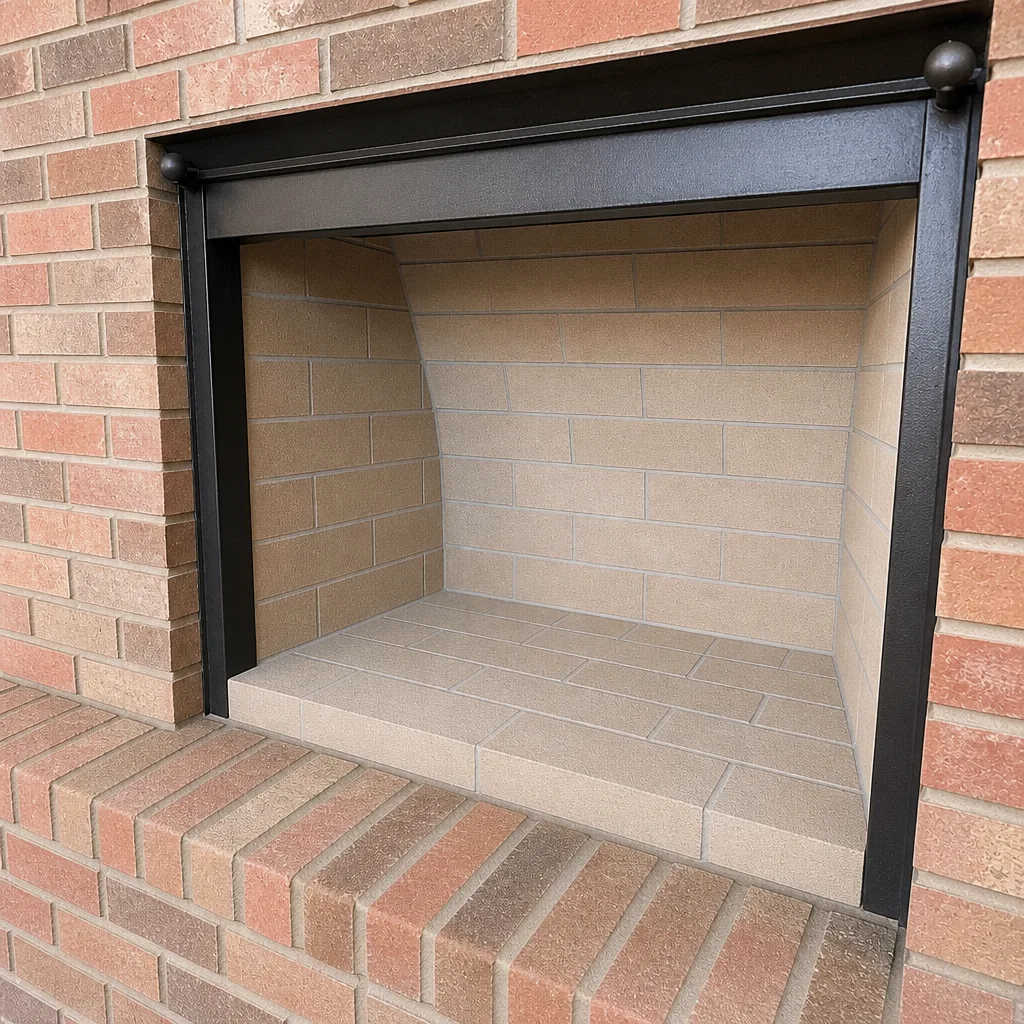
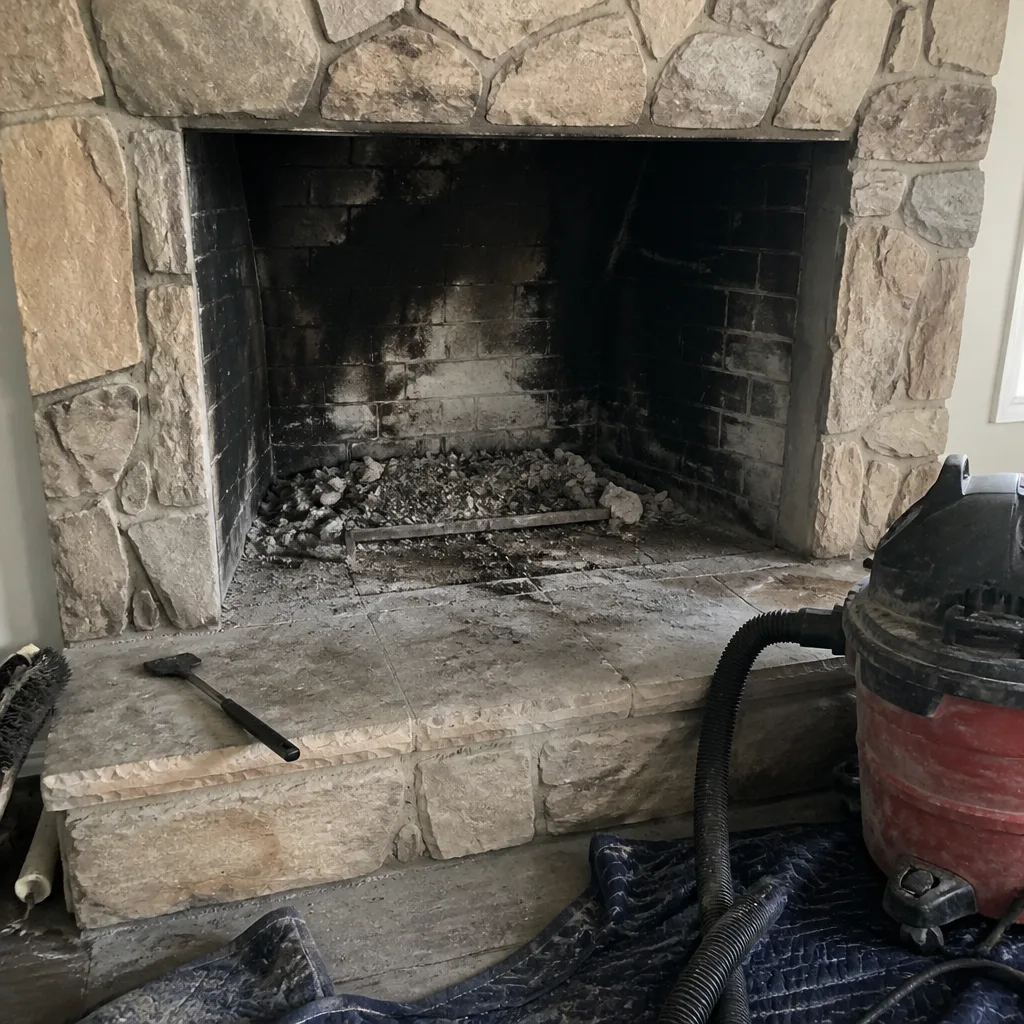
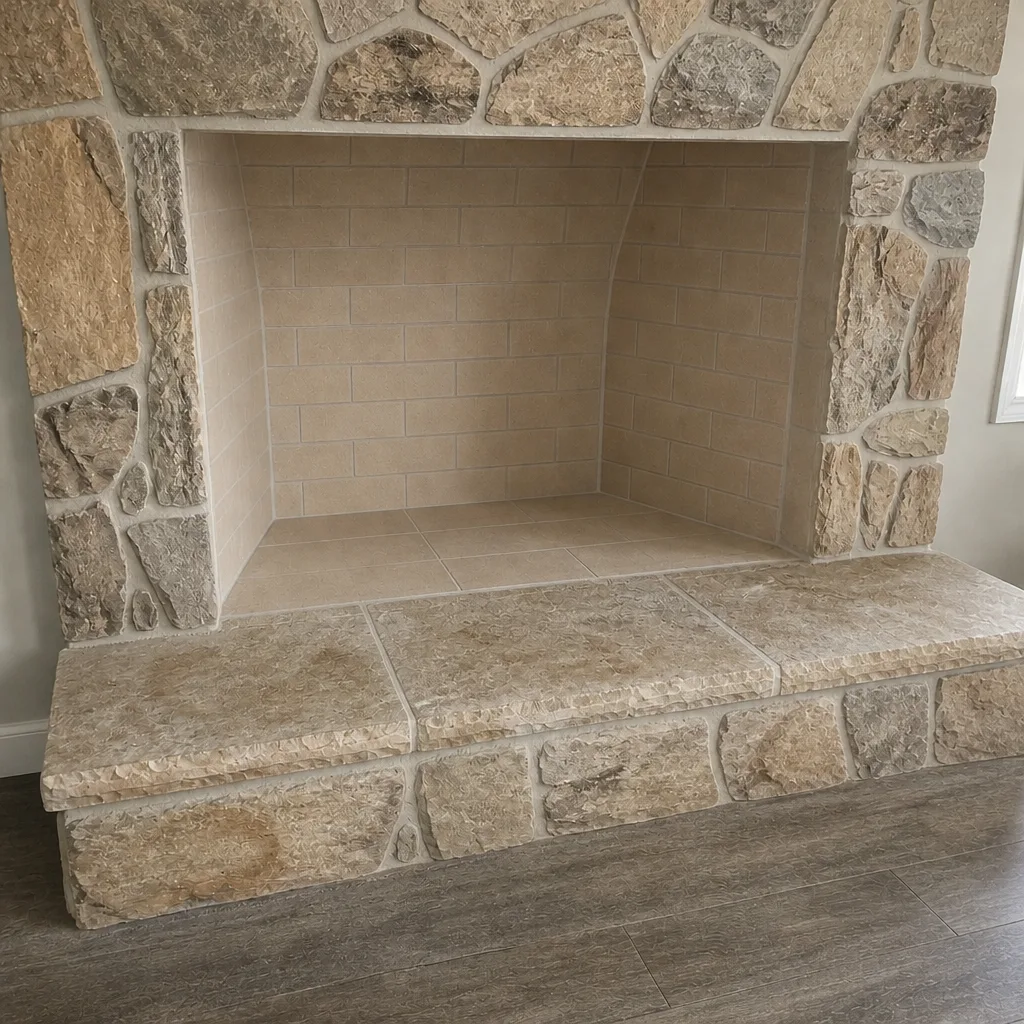
See the difference
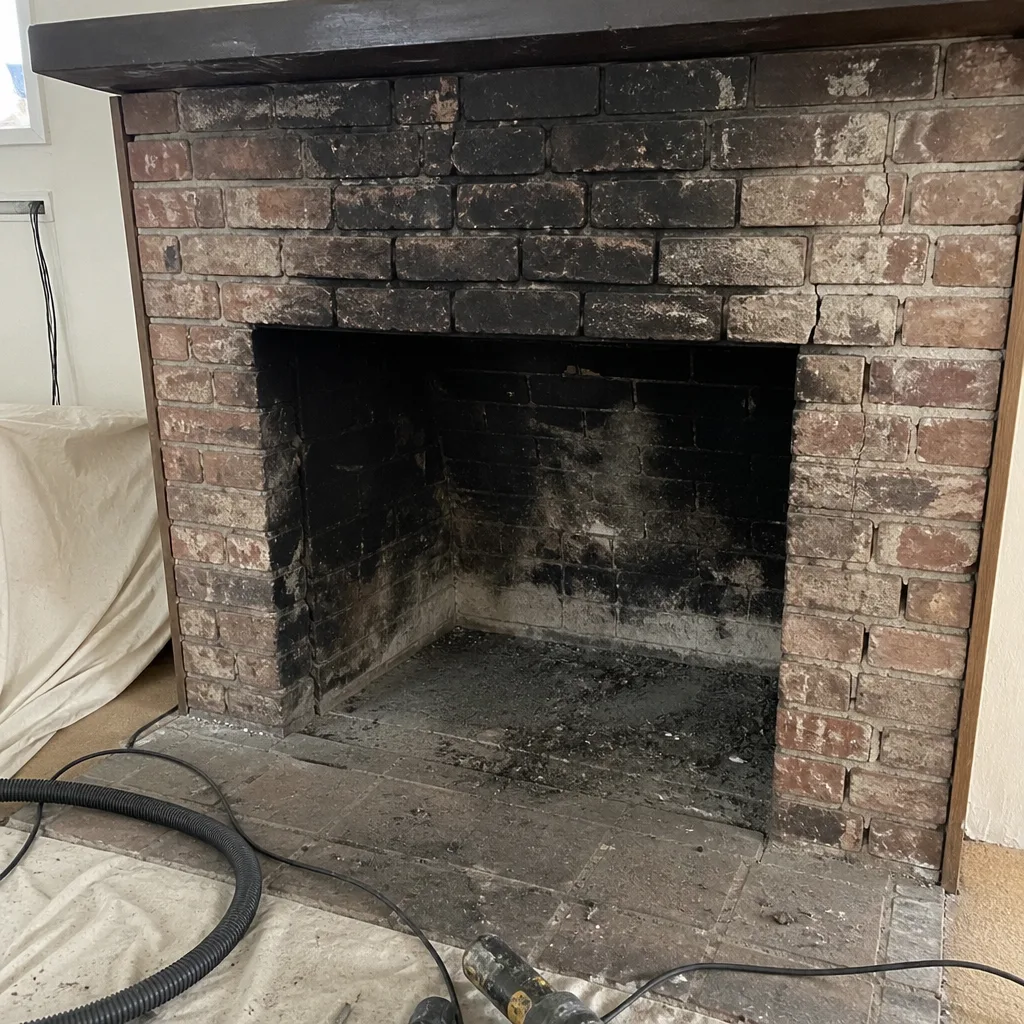 Before
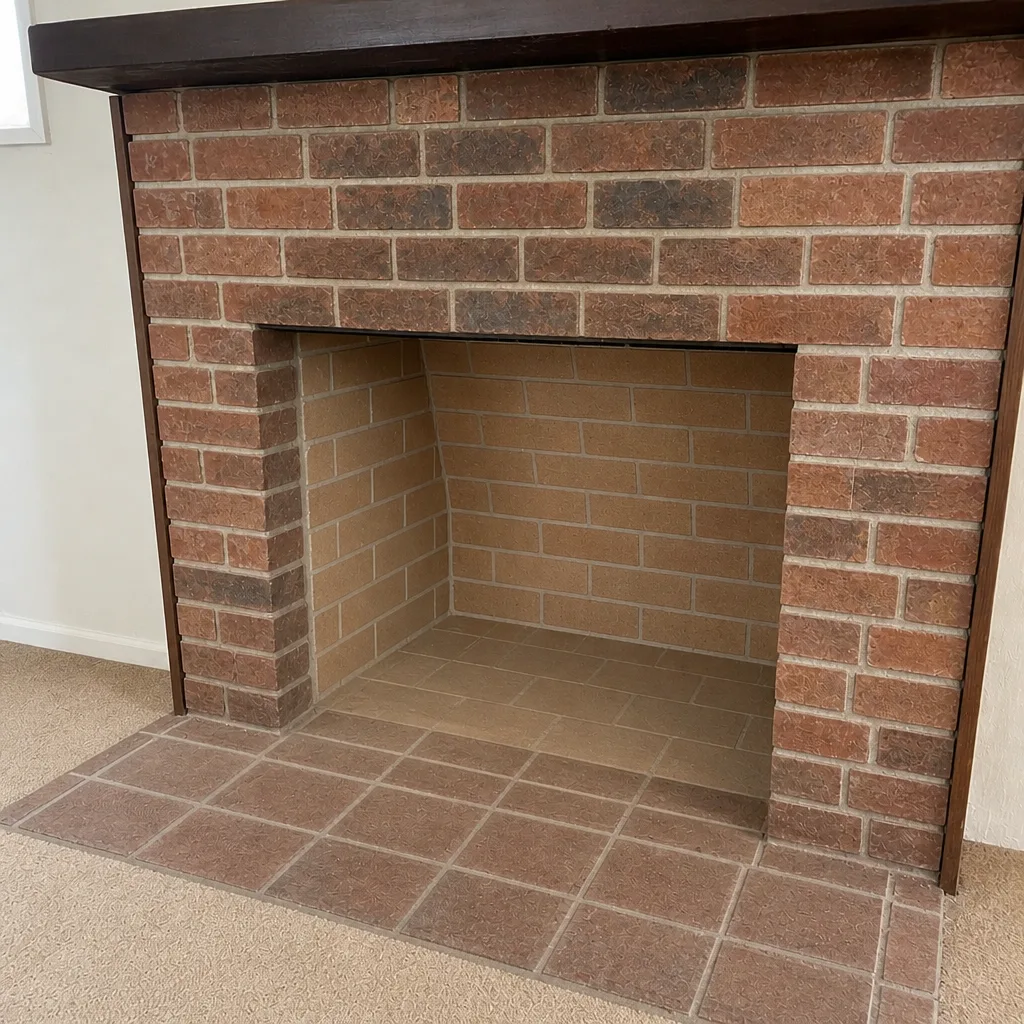 After
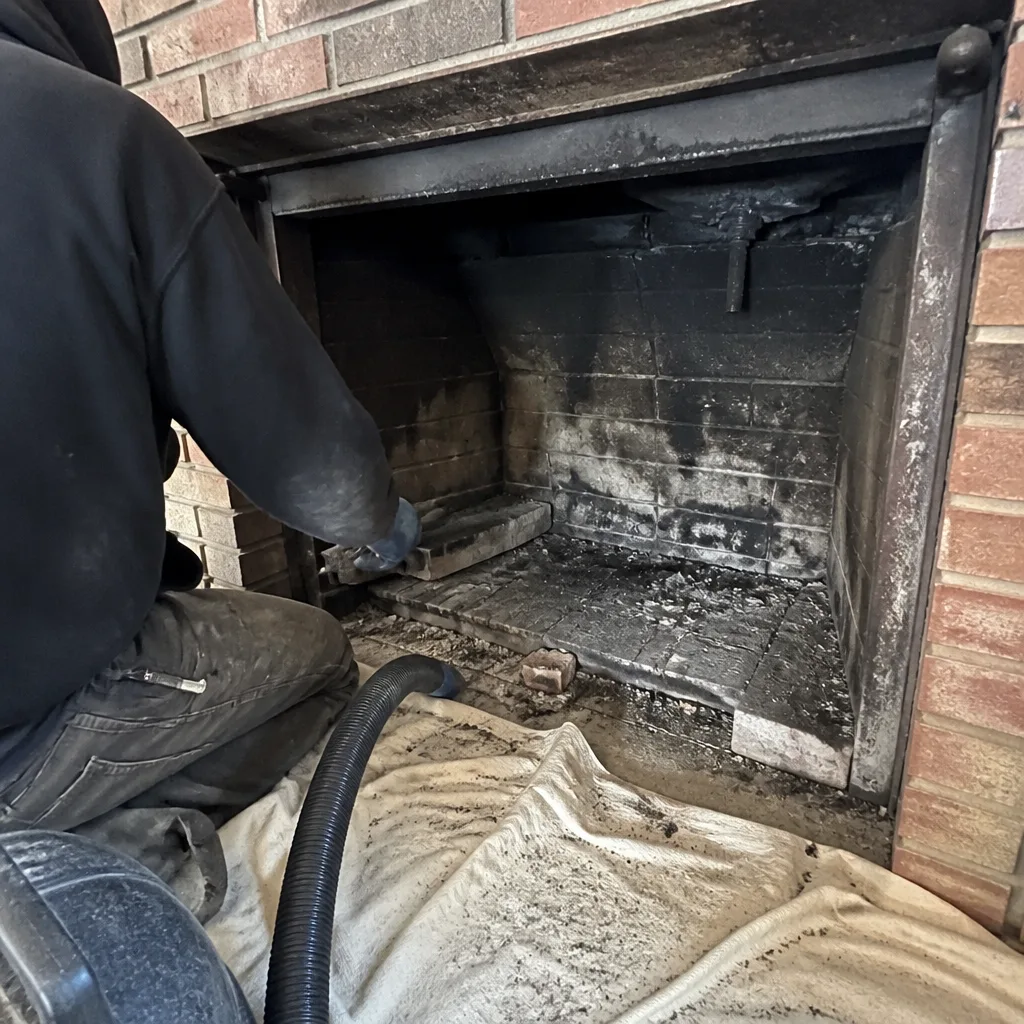 Before
 After
 Before
 After
When to Call a Professional
Call a professional if you’ve never had the chimney cleaned and inspected, if it’s been more than a year since the last visit, or if you’ve had a chimney fire, even a small one. Call if you smell smoke in the room when the fireplace is running, if the fire is slow to start or smokes back into the house, if you see fallen soot or debris in the firebox, or if the cap is missing or damaged. A visible crack in the crown, liner, or firebrick also warrants a professional look. Renton Chimney Sweep offers free estimates in Renton – call (844) 625-7416. We answer 24/7, and fast dispatch runs from 7am to 7pm, Sunday through Friday.
Frequently Asked Questions
Chimney cleaning in Renton typically falls in a moderate range for a full-system visit, and the written estimate sets the final price. The estimate is free. Call (844) 625-7416 for an exact quote. Estimates are free.
Not necessarily. A scored or spalling liner can often be restored with HeatShield resurfacing rather than fully replaced, which usually costs less and is less invasive. Whether your liner can be restored or needs replacement depends on what the inspection finds, and you should see the evidence before deciding. Call (844) 625-7416 to book an inspection and free estimate.
For most wood-burning households in Renton, once a year. The wet winters accelerate creosote formation compared to drier climates, and burning regularly through the heating season makes the annual visit the safer default. Book sooner if you’ve had a fire, a repair, or if you’re not sure when it was last cleaned. Call (844) 625-7416 for an exact quote.
Creosote builds up inside the flue and smoke chamber, and glazed deposits become flammable. A chimney fire can start from a spark that ignites Stage 2 creosote, and the deposit gets harder to remove the longer it sits. Skipping cleaning also lets small problems like a cracked crown or liner go unnoticed until they’re more expensive. Call (844) 625-7416 to get on the schedule.
A Level 1 inspection is the visual check of accessible components that comes with a routine cleaning, while a Level 2 adds a video camera scan of the flue interior. A Level 2 is called for after a chimney fire, a property sale, a fuel or appliance change, or when the cleaning turns up signs of damage. A typical Renton cleaning visit includes a Level 1, and we recommend a Level 2 when the findings call for it. Call (844) 625-7416 with questions.
Yes. The cap and crown are checked on every full-system visit because water intrusion at the top of the chimney is the leading cause of interior damage. If the crown is cracked or the cap is missing or rusted, we can address it as part of the same visit rather than referring it out. See our chimney cap & crown service for what that covers. Call (844) 625-7416 for a free estimate.
The Bottom Line
Chimney cleaning in Renton is a full-system job, not a flue brush. The parts that cause the most trouble, the smoke chamber, smoke shelf, crown, and cap, are the parts a sweep-only visit leaves untouched. Renton’s wet winters make creosote build faster than in drier climates, which is why an annual cleaning and inspection is the right rhythm for a wood-burning household. Read the report, separate what needs attention now from what can wait, and ask for evidence before any repair is recommended. If the liner is damaged, resurfacing with HeatShield can often restore it without a full replacement. And if you want fireplace or chimney repairs handled by the same company that cleaned the chimney, see our fireplace repair service.
Renton Chimney Sweep handles the full scope, from the firebox to the crown, with products from DuraFlex, HeatShield, Gelco, Olympia Chimney, Famco, and Copperfield. One inspection, one crew, one point of contact. What’s actually wrong, not just what’s easy to fix. We answer 24/7, and fast dispatch runs from 7am to 7pm, Sunday through Friday.
Call (844) 625-7416 for a free estimate on chimney cleaning in Renton.
Written by the team at Renton Chimney Sweep.