
Last updated November 23, 2026
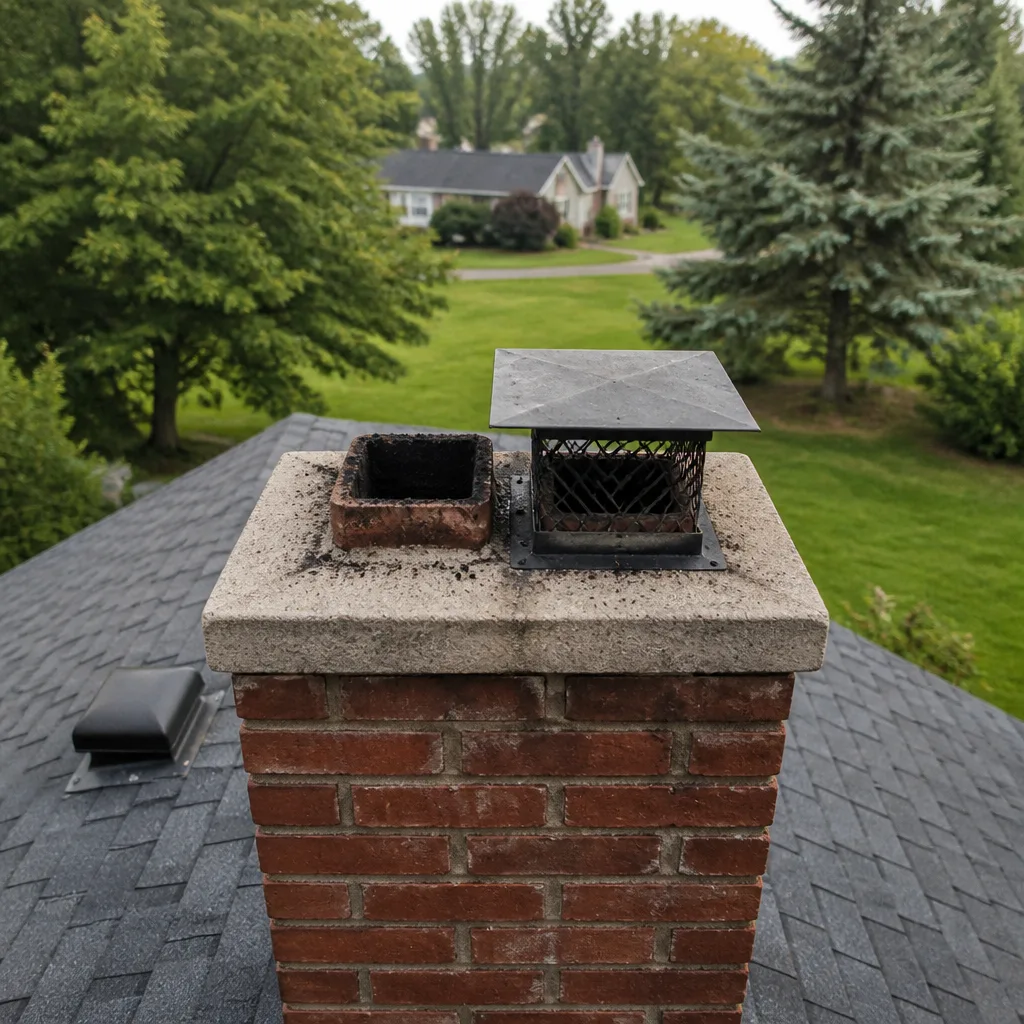 Sweep & inspection
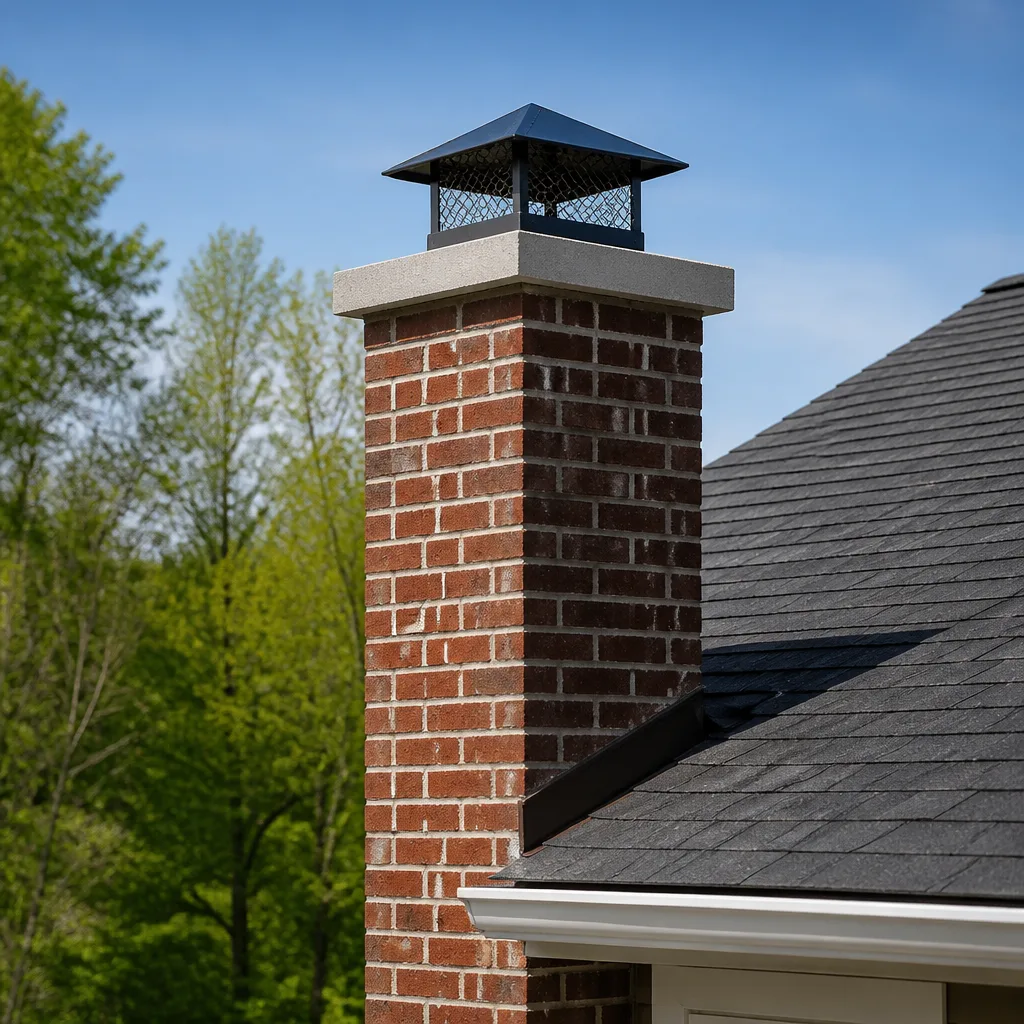 Caps & crowns
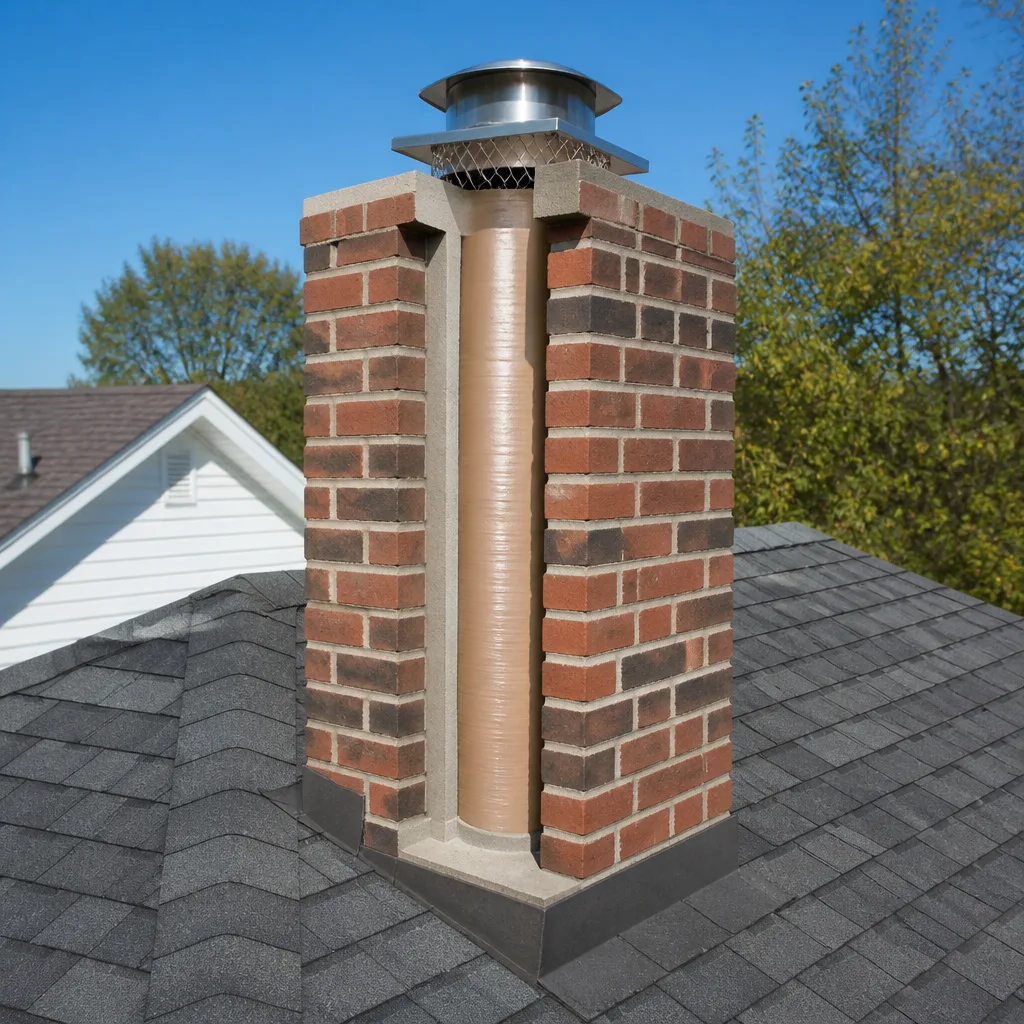 Flue relining
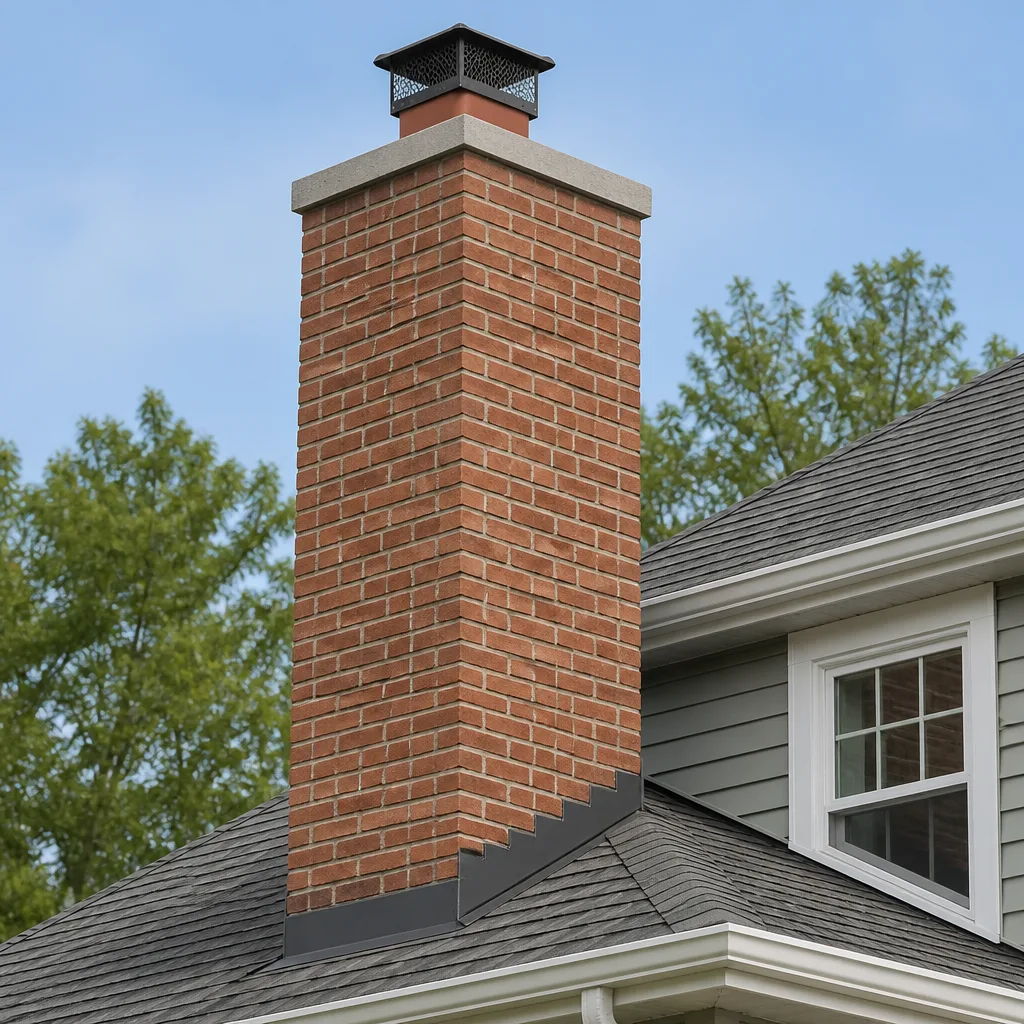 Masonry repair
 Gas fireplace service
Level 1 sweep and inspection to the NFPA 211 annual standard - flue, crown, cap, and flashing checked and photographed
Chimney sweep logs do not sweep chimneys. They loosen some creosote - which then falls where a brush and vacuum still have to collect it.
Chimney Cleaning Warning Signs: A Renton Homeowner’s Reference Guide
A smoky smell in your living room on a windy day isn’t just a draft quirk. It’s your chimney telling you the pressure inside the flue has reversed, and the reason why matters a lot for what happens next. Most chimney problems we look at in Renton didn’t announce themselves with smoke pouring into a room or a visible crack. They showed up as a faint smell, a fire that got a little harder to light, or a white stain on the outside of the house that got explained away as weather. This guide decodes what those ordinary signs actually mean in mechanical terms, so you can act on the right signal at the right time instead of the loudest one.
Quick Answer
The main chimney cleaning warning signs are smell (creosote or a burnt, gassy odor), smoke that rolls back into the room instead of up the flue, unusual sounds like tapping or scratching, visible residue such as white staining on exterior masonry or creosote glaze inside, and a weak draft you can feel by hand. Any of these alone means the system is worth inspecting before you burn again. Sign up for a chimney sweep and inspection and you’ll know exactly what your flue is doing.
Styles & brands we work with
- Sweep & inspection
- Caps & crowns
- Flue relining
- Masonry repair
- Gas fireplace service
Table of Contents
- The Five Sensory Warning Signs and What Each One Points To
- Why White Staining on Your Masonry Is a Moisture Warning
- Normal Fireplace Sounds vs. Signs of Liner Damage, Animals, or Movement
- Warning Signs That Are Urgent vs. Serious But With Time
- What to Tell the Dispatcher When You Call
- Understanding Draft and Negative Pressure in a Renton Home
- Creosote, Glaze, and What Visible Residue Actually Means
- How Often to Look, Sweep, and Inspect
The Five Sensory Warning Signs and What Each One Points To
Your five senses pick up chimney problems long before they turn into an expensive repair. The trick is knowing which sense is flagging which mechanical issue. Here’s how we break down the everyday signals a chimney sends.
- Smell: A strong burnt, acrid, or gassy odor when you’re not even burning usually points to creosote load or a blocked or underdrafted flue drawing air back down. A smoky odor while burning often means draft reversal.
- Smoke behavior: Smoke that spills into the room, curls forward instead of rising, or hangs low at the firebox points to a flue that isn’t pulling, a partial obstruction, or a flue sized wrong for the firebox.
- Sound: Ticking or popping during a burn is normal. Tapping, scratching, flutter, or a hollow rumble during wind is not, and it usually points to animals, a loose damper, or a liner that’s lost its footing.
- Residue: Black glaze on the flue walls, white powder on exterior brick, rust-colored streaks on the firebox or cap, and soot blowing past the damper all say something structural.
- Draft feel: Hold a hand near the open firebox on a cold day with the damper open. A steady pull inward is healthy. A weak pull, a dead-still flue, or air pushing out means backdraft or a restriction.
These signs almost never appear alone. When two or more stack up, that’s your cue to book a professional look rather than keep experimenting with firewood and damper positions. In our experience, homeowners in Renton who act on the second or third sign catch problems while the fix is small.
Why White Staining on Your Masonry Is a Moisture Warning
White, chalky staining on the exterior brick or mortar of your chimney is called efflorescence, and it is not cosmetic. It’s a salt deposit drawn to the surface as water moves through the masonry and evaporates, which means your chimney is taking on moisture somewhere it shouldn’t. Left alone, that moisture does progressively worse things.
Here’s the mechanical chain most homeowners don’t see:
- Water gets in through a cracked crown, a missing or damaged cap, an open flue top, or failed flashing where the chimney meets the roof.
- The masonry and mortar draw that water inward, and salt migrates to the surface. That’s the white bloom you see.
- Freeze-thaw cycles in Western Washington push the moisture deeper. Mortar weakens, brick faces spall, and interior flue tiles can crack as they swell and shrink.
- Now the flue liner is compromised. Creosote can penetrate cracks that previously were fine, and carbon monoxide has a route into the house that it didn’t before.
Efflorescence is also a good reminder that chimney cap & crown work is an early-intervention job. A sound cap and a well-sloped crown shed water at the top so it never starts this chain. If you’re seeing white powder on your chimney this fall in Renton, get it looked at before the winter soaking season grinds deeper.
Normal Fireplace Sounds vs. Signs of Liner Damage, Animals, or Movement
Not every sound is a warning. A wood fire ticks and pops as the wood releases moisture and saps collapse. A metal firebox or insert can ping softly as it heats and cools. Those are the sounds of a healthy burn. What’s worth your attention is everything else.
Sounds that usually point to something wrong:
- Scratching or fluttering in the flue, especially at night: Often birds, squirrels, or a nest that has taken up residence above the damper. Animals in a flue also block draft and add creosote-ready debris.
- A rattle or hollow boom when wind gust hits: A loose cap, a damper out of its track, or a liner that has lost its connection at the top plate.
- A high-pitched whistle while burning: Air moving through a narrow restriction or a flue that’s oversized for the appliance. Draft is being fought, not fed.
- A dull thump or rumble you feel more than hear: Sometimes structural movement in the masonry, sometimes the whole chase flexing against the house. Worth a look at the interior and exterior together.
There’s an important safety line here. If a sound is accompanied by a smell of gas, smoke backing into the room after you’ve just closed the damper, or a flame that behaves strangely, stop burning and call a professional. The flue is not a place to diagnose by trial and error. We can work with your schedule, but the fireplace stays cold until we’ve seen it.
Warning Signs That Are Urgent vs. Serious But With Time
The hardest call for a homeowner is knowing whether to stop using the fireplace tonight or simply book a sweep in the next few weeks. Here’s the line we draw.
Stop burning today and call:
- Smoke rolling back into the room despite a warm, open flue.
- A smell of combustion gas in the living space when nothing is burning, or a CO alarm going off.
- Visible creosote glaze (shiny, tar-like) on the flue walls, or a chimney fire at any point this season.
- Cracked, missing, or spalling flue tile you can see from the firebox or inspect with a camera.
- A dislodged or visibly sagging damper, or a broken crown that lets water pour directly into the flue.
Serious, but you can schedule a professional visit:
- Efflorescence on exterior masonry with no signs of interior water damage.
- A buildup of soot and creosote that’s routine but overdue for cleaning.
- A weak draft that shows on cold days but never spills smoke or triggers a CO alarm.
- A noisy cap or a rattle in the damper that doesn’t affect gas or smoke behavior.
- Small masonry cracks at the crown or mortar joints that aren’t yet letting in water.
The distinction is simple. Anything that can put combustion gas or flame where it doesn’t belong is urgent. Anything that is wear or buildup is a scheduled fix. When in doubt, treat it as urgent and get an inspection. From the firebox to the crown, an inspection will show you what’s actually wrong, not just what’s easy to fix.
What to Tell the Dispatcher When You Call
Giving the dispatcher the right details on the first call means the right crew and equipment show up on the first visit. Chimney work is not one-size, and the difference between a routine sweep and a liner-resurfacing job is a different truck load of tools. Here’s what actually helps.
- What you’re seeing and smelling. Be specific. “Smoke rolls into the room when I open the glass” tells us more than “the chimney doesn’t work.”
- When you last burned and how much. A high-use household has a different baseline than one that lights a fire a handful of times a year.
- Wood-burning, gas, or both. Gas fireplaces and inserts need different inspection and cleaning steps.
- Age of the chimney and any prior work. If a liner was replaced, or a cap installed, we need to know when and what was used.
- Whether a CO alarm has gone off. That answer changes the priority and the process.
- What you can see outside. White staining, broken crown, rusted cap, sagging masonry. A phone photo of the exterior is genuinely useful.
- Anything a previous contractor told you. If someone already said you need a liner, tell us. We can take a second look and confirm with camera evidence you can see yourself.
That last point matters more than people realize. We’re frequently called for a second opinion in Renton on a quote that already includes major work. Sometimes the recommendation is right, sometimes it isn’t, and sometimes a less invasive option fits better. Restore before you replace is often the right call when a flue interior is compromised but not failing.
Understanding Draft and Negative Pressure in a Renton Home
Draft is the invisible force that makes a chimney work, and almost every warning sign on this page is ultimately a draft story. A healthy flue pulls air up and out because warm air rises and because the house’s pressure balance lets it. When that balance shifts, smoke goes the wrong way.
Negative pressure is the usual suspect. If your house is tight and something else is pulling air out of it (a kitchen exhaust, a bath fan, a dryer vent, a second fireplace running at the same time), that pressure has to come in from somewhere, and an open fireplace is one of the easiest places. That’s how smoke backs down. It’s also why the first thing we ask about is not just the chimney but what else was running when you saw the problem.
Renton homes sit in a mild, damp climate with a lot of valley-adjacent weather patterns. Cold, dense air outside and warmer indoor air is a good recipe for draft, but it also means small pressure changes are felt inside. A flue that works fine in October can start spilling in the first cold snap, and that’s not your imagination. In our work, the fix isn’t always a bigger flue. Sometimes it’s confirming the flue is sized right for the appliance, sealing up where pressure leaks in, and making sure the top of the system is doing its job. Adding a proper cap when there isn’t one, or replacing a damaged one, often changes draft behavior for the better.
Creosote, Glaze, and What Visible Residue Actually Means
Creosote is the unburned result of a wood fire, and it builds up in stages. Recognizing the stage tells you how close to a chimney fire you actually are, and the stages look very different.
- Stage one – soot and light flake: Grey or brown dust and light fluff that brushes off easily. This is routine and a normal part of burning.
- Stage two – crusty, black flakes: Brittle deposits that have started to weld to the flue wall. Time to clean, and worth a camera look at the tile condition while we’re up there.
- Stage three – glaze: Shiny, tar-like, hardened deposit that’s the fuel a chimney fire feeds on. Glaze bonds to the flue tile and doesn’t brush clean. That’s where HeatShield resurfacing or a DuraFlex liner becomes the right conversation.
Soot blowing past the damper or streaking up the face of the fireplace is another stage-one-plus sign, and one worth noting. If you’re seeing any of this and can’t remember the last time the chimney was swept, that’s your cue. We use camera inspection and a photo report on every job, so you can see exactly what stage your flue is at. That matters when a previous quote is on the table and you’re trying to work out whether it’s real.
How Often to Look, Sweep, and Inspect
You look every time you burn. You sweep or inspect on a rhythm that matches how much you burn. Here’s a working cadence that matches what we generally see in Renton homes.
- Eyes on the firebox before every fire. Look for cracked tile, loose or damaged damper parts, and soot streaks above the damper.
- Eyes on the exterior once a season. Walk around and look up. White staining, a cracked or missing crown, a broken or off-center cap, or gaps in the flashing are all worth photographing.
- Smell and sound check during a burn. No backdraft, no combustion smell in the room, no scratching in the flue.
- Sweep and inspect on your use schedule. A heavily used wood fireplace should be swept and inspected yearly. Light seasonal use can stretch a little, but yearly inspection still makes sense.
- Inspect after any chimney fire, animal intrusion, storm event, or masonry change. A chimney fire can damage a liner without obvious signs, so this one is not negotiable.
The key is not to wait for a dramatic signal. Subtle signs are cheaper to fix. A yearly routine is how you keep them subtle. If any of the signals on this page have shown up in your home, it’s time to book a professional look. fireplace repair is a straightforward job when it’s caught while it’s small, and a much bigger one when the whole firebox has to come apart.
Common Mistakes to Avoid
- Chalking white staining up to weather. Efflorescence is the visible sign of moisture moving through masonry, and it’s the earliest warning before a cracked crown, spalling brick, or a damaged liner. It’s never just cosmetic.
- Running a fire to “test” the draft. If smoke backed in once, running another fire risks combustion gas or flame in the living space. Get it inspected cold instead.
- Assuming a smoky smell is a ventilation quirk. A small combustion smell on a windy day in Renton is likely backdraft tied to negative pressure or a blocked flue, not a quirk of a tight house.
- Ignoring sound as “just the fire.” Scratching, fluttering, and cylinder-like rumbles are not normal and are among the earlier signs of an animal, a loose damper, or movement in the assembly.
- Booking the cheapest sweep and closing the book. A sweep-only service can clean but may not be equipped to inspect with a camera, resurface with HeatShield, or reline with DuraFlex. That means a second contractor mid-problem.
- Tearing out a liner before getting a second look. A compromised flue interior sometimes qualifies for resurfacing, and it’s worth confirming the diagnosis with a specialist who offers more than one option.
- Booking a repair without the dispatcher knowing the whole picture. Mentioning smoke behavior, sound, smell, and any prior quote on the first call puts the right crew and equipment on the first visit.
See the difference
 Before
 After
 Before
 After
 Before
 After
When to Call a Professional
Call a professional when smoke rolls into the room, when you smell combustion gas without a fire burning, when a CO alarm sounds, or when you’ve had a chimney fire this season. Call when you see cracked or spalling flue tile, shiny glaze on the flue wall, a broken crown, or a cap that’s off or damaged. Call when you see white staining on the chimney outside, or hear scratching or tapping in the flue. And call when another provider has told you that major liner or masonry work is needed and you want a second look with camera evidence you can see yourself. A professional inspection and a written scope are the honest starting point for anything on that list.
The estimate is free, and the price is set per job by the written estimate before any work begins. Renton Chimney Sweep offers free estimates in Renton. Call (844) 625-7416. We answer 24/7. Fast dispatch from 7am to 7pm, Sunday through Friday.
Frequently Asked Questions
The clearest signs are a smoky smell in the room, smoke that spills rather than rising, visible soot above the damper or shiny glaze on the flue, and unusual sounds like scratching or rattle. Any one of these is enough reason to book a sweep and inspection. Call (844) 625-7416 for an exact assessment; estimates are free.
Yes. White staining (efflorescence) means water is moving through the masonry and evaporating at the surface, so it’s a moisture warning rather than a cosmetic issue. Left unaddressed, it leads to a cracked crown, spalled brick, and eventual liner damage. Have the top of the system looked at with a chimney cap & crown inspection and the source gets fixed instead of just the symptom.
Stop burning if smoke enters the room, if you smell combustion gas in the living space, if a CO alarm goes off, if you see cracked or spalling flue tile, or if the chimney has had a fire this season. Those are hazards, not maintenance items. All other warning signs are serious but can be scheduled.
A combustion smell with no fire usually points to backdraft or a blocked, underdrafted flue. Negative pressure from another exhaust in the house can pull air down the flue. It’s worth an inspection rather than sending up a test fire. Call (844) 625-7416 and describe the smell and when it appears; estimates are free.
Scratching, fluttering, and rapid tapping usually point to an animal or a nest. A hollow rattle or boom in wind more often points to a loose cap, a dislodged damper, or a liner that’s lost its top connection. Either way, the flue needs a look before the next burn. Our technicians have up to 9 years of experience and can usually tell from the sound and the top-of-flue view.
Get a second opinion with a camera inspection and a photo report you can see for yourself, because a compromised flue interior sometimes qualifies for HeatShield resurfacing instead of a full tear-out. Restore before you replace is often the right first call. If a liner is genuinely needed, DuraFlex flexible liners solve configurations rigid liners can’t. Call (844) 625-7416; estimates are free.
The Bottom Line
Chimney warning signs are quiet before they’re loud. Smell, smoke behavior, sound, visible residue, and draft feel each point to a specific mechanical issue, and acting on the second or third sign is almost always cheaper than waiting for the first dramatic one. White staining is a moisture warning, not weather. Some signals mean stop burning today, and some mean book a visit. Tell the dispatcher what you’re seeing, smelling, and hearing so the right equipment comes the first time. From the firebox to the crown, a proper inspection with camera evidence tells the truth, and we’d rather show you the real one. When any of these signs show up in a Renton home, Renton Chimney Sweep is set up to sweep, inspect, and repair the whole system in one job.
Call (844) 625-7416 for a free estimate. We answer 24/7. Fast dispatch from 7am to 7pm, Sunday through Friday.
Written by the team at Renton Chimney Sweep.